Will a Heat Pump Work in My Area? A Regional Guide
Discover whether a heat pump will work in your area. Learn climate factors, insulation, sizing, and installation tips for reliable comfort and energy savings with Heatpump Smart.


Most homes in temperate areas will have a heat pump work well in their area when properly sized and installed. In very cold winters, performance can drop unless you choose a cold-climate model and ensure good insulation; hot climates benefit from a system with strong cooling capacity. Heatpump Smart's analysis highlights climate, insulation, and load matching as key factors. Use this guide to assess your region.
Will a heat pump work in my area
Will a heat pump work in my area? This is the central question homeowners face when evaluating upgrades for home comfort and energy bills. The short answer varies by climate, building envelope, and how the system is sized and installed. In temperate regions, most homes can achieve reliable heating and cooling with a modern air-source heat pump, provided the unit is matched to the house and installed with proper controls. In very cold winters, performance diminishes as outdoor temperatures fall, so you’ll want a model rated for low-temperature operation and an effective supplemental heat plan. In hot regions, cooling performance and humidity control become the priority, so a unit with strong AC capacity and efficient dehumidification matters. Importantly, you should consider the building's insulation, air sealing, and ductwork, because these envelope factors determine how much heat or cooling actually needs to move. Utilities and local contractors may also vary in availability, warranties, and service quality. A careful assessment now can prevent surprises later, such as comfort gaps on extreme days or higher-than-expected energy bills. In all cases, the decision hinges on getting the right size, the right controls, and a system installed by a qualified technician.
Key climate considerations
Climate is the primary driver of heat pump viability. Consider these factors:
- Winter severity: cold snaps reduce efficiency; opt for cold-climate-rated models and consider backup heat.
- Summer load: higher cooling demand tests capacity; select a model with sufficient SEER and cooling performance.
- Humidity: humidity control requires proper sizing and possible dehumidification features.
- Altitude and air quality: higher altitude and dusty conditions affect performance; filters and maintenance matter.
- Local electricity rates: energy savings depend on rate structure and hourly usage.
- Availability of service: access to qualified technicians affects reliability.
In each case, run a regional comparison, ideally with a professional load calculation and climate analysis. The right heat pump for one area may perform differently in another, even within the same city, due to microclimates and home design.
Sizing and load calculations
Sizing is critical. An undersized unit short-cycles, struggles on cold days, and never delivers comfortable temperatures; an oversized unit may short-cycle and waste energy. The standard approach uses a heat load calculation (Manual J in many markets) and a simple quick look at your insulation and windows. A professional should determine:
- Design outdoor temperature used for sizing
- Zone-by-zone heating and cooling needs if you have multi-story or large rooms
- Ductwork airtightness and leakage
- The ratio of heating to cooling load
Then compare several equipment options, including a heat pump that operates efficiently at low outdoor temperatures, and consider auxiliary heat strategies, such as a back-up electric strip or a gas furnace in hybrid systems. The key is to match capacity not only to climate but to the house’s actual load, including occupancy and appliance usage.
Insulation, air sealing, and efficiency
Envelope improvements often outperform upgrades to the heat pump itself in terms of energy savings. Air sealing, insulation, and window performance reduce the amount of heating or cooling the system must deliver. Before sizing a heat pump, address:
- Attic and rim joist insulation levels
- Blower-door testing or at least a professional blower test
- Weatherstripping and door thresholds
- Duct sealing and insulation in ductwork
- Window upgrades or shading strategies
When the envelope is tight, you can lower the required capacity, improve COP, and reduce peak loads. In some climates, a well-insulated house reduces heating demand by a meaningful margin, making a smaller, more efficient heat pump viable.
System choices and configurations
Air-source heat pumps come in ducted and ductless configurations. Ductless mini-splits can be ideal for additions, basements, or zones without existing ductwork. Ducted systems are common for whole-home retrofit with existing ducts, but require careful duct sealing. In cold climates, consider a model with enhanced coil design and defrost logic; in hot climates, ensure adequate refrigerant handling and high SEER. You may also encounter hybrid systems that pair a heat pump with a gas or electric auxiliary heat. For homeowners concerned about reliability, consider a system with a reliable compressor and a good warranty, plus a smart thermostat that optimizes heating and cooling schedules. The goal is to balance upfront cost, long-term energy savings, and comfort reliability.
Installation realities and regional considerations
Regional realities influence installation. Permits, electrical service capacity, and outdoor unit placement matter for performance and noise. In some jurisdictions, a heat pump requires specialized clearances, weatherproofing for defrost cycles, and compliance with noise limits. A qualified installer should verify:
- Electrical service adequacy and breaker sizing
- Outdoor unit clearances and airflow
- Indoor air handling and duct design
- Controls, thermostats, and zoning strategies
- Local rebates or incentives that affect project economics
Expect a typical installation window to involve design checks, equipment delivery, mounting, refrigerant charging, and system commissioning. Proper commissioning ensures the system operates at the rated efficiency and comfort levels.
Regional verification checklist and next steps
To verify whether a heat pump will work in your area, follow this regional checklist and plan next steps:
- Gather climate data for your exact location, including winter temps and humidity
- Schedule a professional load calculation and equipment selection
- Inspect your home envelope and identify improvements
- Compare at least two equipment options, including a low-temperature model
- Check local rebates and estimated payback
- Get a written installation plan and warranty details
- Schedule a site visit with technicians familiar with your climate
By completing this checklist, you can move to a confident decision with expected comfort, energy savings, and reliable performance.
Heat pump performance by climate region
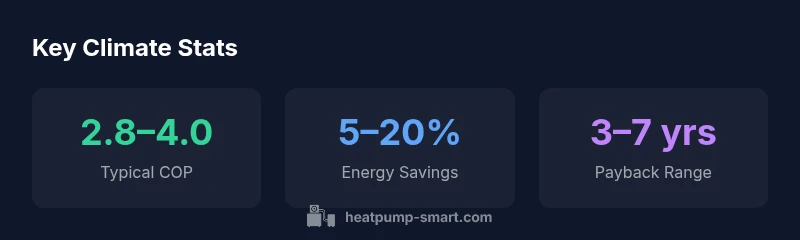
| Region/Climate | Typical COP range | Notes |
|---|---|---|
| Cold climate | 2.8–3.5 | Best with cold-climate models and supplementary heat |
| Mixed/temperate climate | 3.5–4.0 | Common choice for year-round comfort |
| Hot climate | 3.0–4.0 | Prioritize cooling efficiency |
| Rural/older homes | 2.9–3.6 | Check insulation and duct integrity |
Your Questions Answered
Will a heat pump work in extremely cold areas?
Cold areas may require a cold-climate rated model and possible supplemental heat. A proper load calculation helps determine whether a heat pump can meet winter comfort goals.
In very cold areas, you’ll need a cold-climate model and backup heat to stay comfortable.
How do I know if my home is a good candidate?
A professional load calculation, good insulation, airtightness, and properly sized ductwork are essential. These factors determine whether a heat pump can reliably meet your heating and cooling needs.
Your home needs a precise load calc and solid envelope improvements.
Are rebates and incentives worth it?
Rebates and incentives can significantly reduce upfront costs and shorten payback. Check local programs, utility offerings, and manufacturer promotions.
Yes—rebates can make the economics of a heat pump much more favorable.
How long does installation take?
Typical installs vary by system type and existing ductwork; plan for professional assessment, equipment delivery, and commissioning over a few days.
Most installations are completed in a few days, depending on complexity.
Is a heat pump always more efficient than gas?
In many heating-dominated homes, heat pumps offer lower operating costs and emissions, especially when electricity is affordable and the load is modest. Local energy prices and climate matter.
Generally, yes, but check local costs and your house load.
“A heat pump delivers comfort only when the climate, envelope, and sizing are aligned. The most reliable installations start with precise load calculations and a proper match for your area.”
Top Takeaways
- Assess climate and load before buying
- Size precisely using a professional load calc
- Improve envelope to maximize savings
- Choose a model designed for your climate
- Check local rebates to improve payback timelines