Heat Pump Life Span: What to Expect and How to Extend It
Learn the typical life span of heat pumps, the factors that influence longevity, and practical maintenance tips to extend performance. A data-driven guide for homeowners, builders, and property managers.


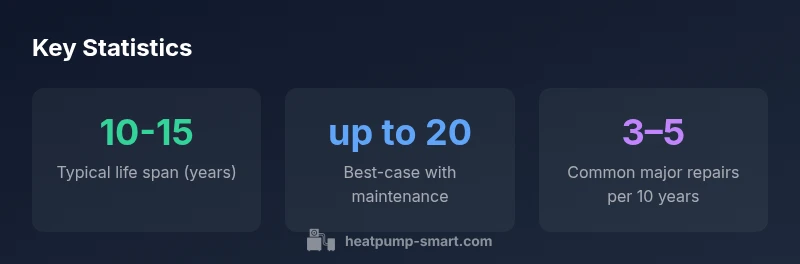
Most heat pumps deliver a life span of about 10-15 years, and higher-end models can reach around 20 years with meticulous maintenance. In real-world conditions, factors such as climate zone, daily cycling, proper sizing, refrigerant integrity, outdoor unit exposure, and regular professional servicing influence the actual life span. Heatpump Smart Analysis, 2026 notes wide variation by scenario.
Understanding the heat pump life span
The life span of a heat pump is not a single number but a range that reflects how long the entire system stays reliable and efficient. Homeowners typically think in terms of overall unit longevity, while installers monitor the compressor life, outdoor coil integrity, refrigerant health, and electrical components. For most households, heat pump life span falls in the 10-15 year band, with higher-end units or favorable climates occasionally pushing past that range. It’s helpful to distinguish between the expected life of the compressor (often the limiting factor) and the broader system life (which includes the fan motor, reversing valve, and controls). In general, a well-installed heat pump with routine maintenance can continue delivering comfort well into its second decade.
Factors that influence life span
Longevity is driven by a mix of design quality, installation practices, climate exposure, and user behavior. Key factors include:
- System sizing and load accuracy: an undersized or oversized unit experiences excess cycling and stress that shortens life.
- Outdoor exposure: freezing temperatures, debris, and salt spray can erode coils and fans faster.
- Refrigerant health: leaks force the compressor to work harder and may reduce efficiency and life.
- Maintenance frequency: annual or bi-annual professional checks catch issues before they cause big damage.
- Usage patterns: frequent, rapid cycling and high demand during peak season accelerate wear.
- Electrical components: reliable wiring, capacitors, and contactor health reduce failure risk.
- Installation quality: improper refrigerant charge and poor duct or air-handling integration can shorten life.
Climate, usage patterns, and their impact on life span
Climate and usage are major levers for longevity. In milder climates with moderate heating loads, components may experience less thermal stress, sometimes extending life by a couple of years compared with extreme cold or very hot environments. High cycling rates (short heat-up and cool-down cycles) increase wear on compressors and fans. Properly matched equipment, good insulation, and efficient thermostats can reduce unnecessary cycling. Even under favorable conditions, a heat pump requires professional oversight to ensure seals, coils, and refrigerant remain in spec, preserving life span over time.
Maintenance routines that extend life span
Proactive maintenance pays off in both performance and longevity. A practical annual rhythm includes:
- Visual inspection of outdoor unit, coils, and housing; clear debris and ensure unobstructed airflow.
- Coil cleaning and filter replacement to maintain efficiency and reduce strain.
- Refrigerant checks to detect leaks early and avoid compressor overwork.
- Electrical checks on capacitors, contactors, and wiring connections to prevent malfunction.
- Thermostat and control calibration to prevent unnecessary cycling.
- Professional inspection of ductwork, refrigerant charge, and heat exchangers when you notice performance changes.
A documented service history helps technicians spot trends that predict future failures and plan component replacements before a breakdown.
Installation quality and system sizing
The initial installation quality strongly influences long-term life span. Correct sizing ensures the unit runs near its design load, minimizing short cycling and overheating. Rushed or inexperienced installation can result in poor refrigerant charge, restricted airflow, and poor heat transfer, all of which stress components and shorten life. Ensure a reputable installer performs a thorough load calculation, verifies ductwork integrity, and confirms electrical connections and weatherproofing. A well-matched system with a high SEER/HSPF rating and durable outdoor cabinet typically demonstrates stronger longevity in the field.
Signs your heat pump may be nearing end of life
Relying on performance alone can be misleading; some failures mimic normal aging. Watch for:
- Frequent cycling or longer run times without delivering expected comfort
- Sudden spikes in energy bills despite similar usage
- Odd noises from outdoor unit (rattling, grinding, or squealing)
- Reduced cooling or heating capacity, especially during peak demand
- Frequent refrigerant leaks or error codes from the control board
- Component aging, such as deteriorating defrost performance in winter When you notice these signals, schedule a professional evaluation to determine whether a repair, partial replacement, or full replacement is most economical.
Replacement vs refurbishment: decision framework
Deciding whether to replace or repair depends on several factors:
- Age and reliability: if the unit is approaching the 12-15 year range with recurring issues, replacement often yields better long-term value.
- Repair costs vs replacement costs: multiple major repairs in a short period can exceed the price of a new system.
- Efficiency gains: newer heat pumps offer substantial energy savings, often offsetting higher upfront costs via lower operating costs.
- Available incentives: rebates or tax credits may tilt the decision toward replacement if eligible.
- Home comfort and climate resilience: a modern system can improve comfort and resilience in harsh climates. A professional assessment helps quantify the trade-offs and guide a data-driven choice.
Longevity by system type: air-source vs geothermal
Air-source heat pumps typically have shorter life spans in aggressive climates due to outdoor exposure, but many units still reach the higher end of the range with good maintenance. Geothermal (ground-source) systems tend to have longer overall life spans thanks to stable underground temperatures and less weather exposure, though installation and ground-loop integrity are critical. In both cases, operational longevity improves with proper sizing, routine maintenance, and timely refrigerant health checks. Heatpump Smart’s guidance emphasizes maintenance-first planning for any system type.
Heat pump longevity factors
| Aspect | Typical Range | Notes |
|---|---|---|
| Life span (overall) | 10-15 years | Range reflects maintenance and climate variability |
| Compressor life | 12-15 years | Critical factor for longevity |
| Outdoor unit life | 12-20 years | Weather exposure and corrosion risk |
| Annual maintenance interval | 1-2 visits | Seasonal checks recommended |
Your Questions Answered
What is the typical life span of a heat pump?
Most heat pumps last 10-15 years, with some reaching around 20 years under optimal maintenance. Longevity depends on climate, usage, and service frequency.
Most heat pumps last about a decade to fifteen years, depending on use and upkeep.
How can I extend the life span of my heat pump?
Follow a regular maintenance schedule, ensure proper sizing, keep the outdoor unit clear of debris, and address refrigerant leaks promptly. Professional inspections help catch issues early.
Regular maintenance, proper sizing, and prompt repairs help extend life.
Do geothermal heat pumps last longer than air-source units?
Geothermal systems often show longer life spans due to stable underground temperatures and less outdoor exposure, but both types benefit from good maintenance.
Geothermal systems tend to last longer than air-source, but upkeep matters for all.
What maintenance tasks should I perform myself?
Regular filter changes, outdoor unit cleaning, and keeping the area around the outdoor unit clear are common DIY tasks. Many tasks require a licensed technician.
Change filters, keep the outdoor unit clean, and schedule professional checks.
When should I replace instead of repairing?
If the system is near or past 12-15 years with frequent major failures or rising energy costs, replacement often offers better long-term value.
Consider replacement if repairs become frequent and costs rise with age.
How does climate affect heat pump longevity?
Harsh winters or hot summers increase stress on components and may shorten life span unless mitigated by proper sizing and maintenance.
Extreme climates stress parts; proper sizing helps.
“A well-maintained heat pump can reliably meet home comfort needs for many years; proactive maintenance and timely replacement planning are essential.”
Top Takeaways
- Plan for a 10-15 year life span with potential longer life under ideal conditions
- Maintenance and proper sizing are the biggest levers to extend life
- Air-source and geothermal differ in exposure, but upkeep matters for both
- Watch for signs of aging to decide between repair and replacement
- Budget for eventual replacement as part of long-term home planning