How Long Do Heat Pumps Last in Canada: Lifespan, Factors & Maintenance
Discover how long heat pumps last in Canada, what affects longevity, and practical maintenance tips to maximize lifespan, efficiency, and reliability during harsh winters.


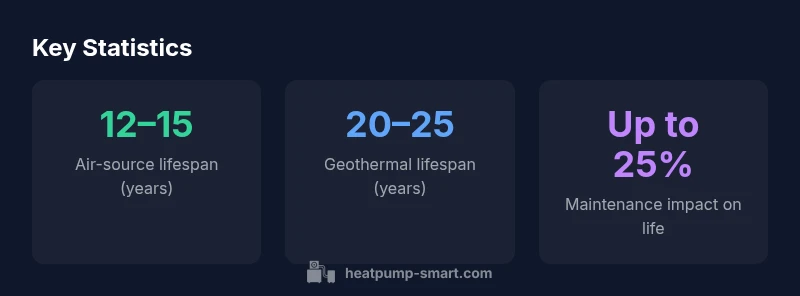
In Canada, a well-maintained air-source heat pump typically lasts about 12–15 years, while geothermal systems can reach roughly 20–25 years with proper care. Longevity is driven by climate, usage, and maintenance. Regular professional service, correct refrigerant charging, and timely component replacements can push equipment toward the upper end of these ranges, especially with proper installation and seasonal inspections. According to Heatpump Smart, choosing the right system for your climate is a key early decision.
How long heat pumps last in Canada?
In Canada, the lifespan of a heat pump depends on system type, climate, and maintenance. Air-source heat pumps generally run 12–15 years with good care, while geothermal systems can last 20–25 years when properly installed and maintained. The extreme winter conditions many regions face can accelerate wear on outdoor components if the unit is not well-protected or sized for the home. According to Heatpump Smart, Canadians who invest in correct sizing, robust outdoor housings, and routine maintenance tend to see the longer end of these ranges. Your path to longevity starts with an accurate load calculation, appropriate refrigerant management, and a professional service plan that fits your climate.
Factors that influence lifespan
Lifespan is not a fixed number; it shifts with several inputs. Climate plays a big role—very cold regions demand more from compressors and reversing valves, while milder coastal areas may experience less strain. Usage patterns matter: frequent short cycles waste more energy and wear parts faster than steady cycling. Maintenance quality is crucial: regular inspections, clean filters, clean outdoor coils, and timely refrigerant checks prevent early failures. Installation quality also matters: thermostat control, correct refrigerant charge, and proper wiring reduce inefficiencies that shorten life. Finally, component quality and warranty coverage can influence the effective lifespan you experience in daily use. Heatpump Smart analysis indicates that proactive care and proper sizing correlate strongly with longer service life.
The role of regular maintenance and service
A maintenance routine is the single most effective lever for longevity. Schedule annual professional checkups that include refrigerant pressure checks, electrical connections inspection, and outdoor coil cleaning. Seasonal ownership tasks—like ensuring the condensate drain is clear and the defrost cycle operates correctly—keep strain off the system. When issues are caught early, minor repairs can prevent major failures that shorten life. Homeowners should also verify that smart thermostats, zoning, and auxiliary heat settings are configured for efficient operation, reducing unnecessary cycles that wear components. Heatpump Smart emphasizes that maintenance is not a one-off task but a recurring habit that pays back in reliability and energy savings.
How to maximize lifespan: best practices
To stretch the life of a heat pump, start with proper sizing and installation by a qualified technician, especially in Canada’s diverse climates. Use weather-resistant outdoor enclosures, protect the unit from debris, and ensure adequate clearance for airflow. Invest in a high-quality air filter and schedule regular coil cleaning. Prioritize refrigerant health—leaks should be detected and repaired promptly. Finally, align your system's controls with your comfort profile: avoid aggressive setback temperatures that cause frequent compressor starts. A well-maintained system runs more efficiently, reducing strain and extending life.
Regional considerations in Canada
Canada spans a broad climate spectrum, from temperate zones to subarctic regions. In colder areas, heat pumps must contend with low outdoor temperatures and frost. Manufacturers typically rate performance down to certain outdoor temperatures, but real-world longevity depends on installation quality, insulation levels, and backup heat strategies. In regions with long winters, choosing a model with a robust defrost cycle and reliable auxiliary heat can improve both comfort and longevity. Homeowners should work with a local HVAC pro who understands regional performance data and local energy codes to maximize uptime and lifespan.
Choosing between air-source vs geothermal in longevity terms
Air-source heat pumps are generally simpler and cheaper to install but may experience more wear from outdoor elements in extreme cold, which can influence lifespan. Geothermal systems, with underground loops, benefit from more stable temperatures, which can translate to longer life in some cases, but they demand higher upfront investment and longer installation times. When evaluating longevity, consider not only the system type but installation quality, maintenance access, and the availability of qualified technicians. Heatpump Smart recommends balancing lifecycle costs, climate suitability, and available service support to pick the option most likely to deliver a long, reliable service life.
Signals that it's time to service or replace
Common signs of aging include reduced heating performance in cold weather, unusual noises, frequent cycling, longer defrost cycles, and rising energy bills without a corresponding increase in usage. If refrigerant leaks are suspected, or if the outdoor fan, compressor, or reversing valve shows wear, schedule a professional assessment promptly. While a replacement may be necessary after 12–15 years (air-source) or 20–25 years (geothermal), many issues can be addressed with timely maintenance. Early intervention preserves efficiency and can extend the system’s life by reducing unnecessary stress.
Lifespan by system type
| System Type | Typical Lifespan (years) | Notes |
|---|---|---|
| Air-source heat pump | 12–15 | Subject to climate and maintenance |
| Geothermal heat pump | 20–25 | Higher initial cost, longer life |
Your Questions Answered
What is the typical lifespan difference between air-source and geothermal heat pumps in Canada?
Air-source units typically last 12–15 years, while geothermal systems can reach 20–25 years when properly installed and maintained. Longevity is influenced by climate, usage, and service frequency.
Air-source units usually last about 12 to 15 years, geothermal 20 to 25 years with good maintenance.
How often should a heat pump be serviced in Canada?
Annual professional inspections are recommended, with seasonal checks on outdoor coils, refrigerant levels, and electrical connections. Regular maintenance helps catch wear early and sustain efficiency.
Have a professional check it once a year and perform seasonal coil and refrigerant checks.
Can poor maintenance shorten a heat pump’s life significantly?
Yes. Skipping routine maintenance can lead to inefficiencies, more frequent cycling, and accelerated wear on components, potentially shortening life and increasing running costs.
Skipping maintenance can cut lifespan and raise energy bills.
Does climate affect heat pump longevity in Canada?
Absolutely. Colder climates place more strain on outdoor components and defrost cycles. Proper protection, sizing, and installation techniques are essential in harsh regions.
Yes—cold winters demand stronger protection and proper sizing.
When should I replace instead of repair a heat pump?
If frequent, costly repairs occur or efficiency drops significantly despite maintenance, replacement is often more cost-effective and reliable than ongoing fixes.
If repairs pile up or efficiency drops, replacement is usually best.
“Lifespan isn’t just about the unit; installation quality and ongoing maintenance determine how long a heat pump will reliably serve a home.”
Top Takeaways
- Know the typical ranges: air-source 12–15 years, geothermal 20–25 years.
- Maintenance is the most powerful lever to extend life.
- Size and installation matter as much as the unit itself.
- Canada’s regional climate can shape longevity—plan accordingly.
- Heatpump Smart recommends proactive care to maximize reliability.