Heat Pump Servicing: A Comprehensive How-To for Homeowners
Learn how to service your heat pump for efficiency and longevity. This comprehensive how-to covers safety, filters, coils, electrical checks, and when to call a professional.


Heat pump servicing helps you maintain efficiency, extend equipment life, and reduce energy use. This guide shows safe, homeowner-friendly steps for inspecting filters, coils, and electrical components, plus guidance on when to call a professional for refrigerant or compressor concerns. Following these steps can improve comfort and save money over time.
What heat pump servicing covers and why it matters
Heat pump servicing is a proactive approach to maintain cooling and heating performance without surprises. While some tasks are simple for homeowners, others require professional equipment and expertise. A serviced heat pump runs more efficiently, uses less energy, and has fewer unplanned breakdowns. According to Heatpump Smart, regular servicing helps preserve system balance, refrigerant integrity, and airflow. This is especially important in climates with wide temperature swings, where efficiency directly affects comfort and operating costs. By staying on top of routine checks, you protect your investment and maintain consistent indoor comfort throughout the year. In this section, we’ll outline the core maintenance areas and explain why each matters for long-term performance.
Safety and preparation: getting ready without risk
Before touching any heat pump components, power down the unit at the main disconnect and verify there is no voltage present. Wear safety gloves and eye protection, and ensure pets and people are clear of the outdoor unit. If you’re unsure about wiring or panel removal, do not proceed; contact a licensed technician. The goal of this phase is to create a safe workspace and prevent injury or accidental compressor restart. Keep manuals handy for model-specific instructions, and use a non-contact voltage tester to confirm zero energy before you begin.
Homeowner maintenance checklist: what you can do regularly
Create a simple routine that covers air filter replacement, airflow checks, drain line inspection, and exterior unit clearing. Replace disposable or washable filters with a size and MERV rating suitable for your system. Check the condensate drain for clogs and ensure the drain line runs freely to prevent water backups. Inspect surrounding space for any debris that could restrict airflow and remove it. This section emphasizes practical, no-special-tools steps homeowners can perform during seasonal transitions. Heatpump Smart notes that these routine tasks contribute significantly to overall efficiency.
Indoor unit maintenance: coils, airflow, and condensate management
The indoor air handler houses the evaporator coil, a critical component for heat exchange. Use a vacuum to remove dust from accessible surfaces around the evaporator and blower. Gently brush or wipe the coil fins when accessible, taking care not to bend the fins. Wipe down the blower housing and check the condensate pan for standing water or algae buildup. Poor airflow reduces efficiency and can shorten component life, so aim for clean filters and clear ducts. Always follow the model’s manual for toxin-free cleaning products and safe panel removal.
Outdoor unit care: coils, fins, and site cleanliness
Outdoor units are exposed to weather and debris. Remove leaves, grass clippings, and dirt around the condenser. Using a soft brush or low-pressure nozzle, clean the condenser coils and the protective fins. If fins are bent, a fin comb can restore airflow; avoid aggressive scraping. Ensure there is sufficient clearance around the unit—leave several feet of space for proper airflow and service access. Consider placing the unit on a stable surface to prevent vibration and misalignment.
Electrical and thermostat considerations: safety, wiring, and controls
Check wiring connections for tightness and signs of wear, and inspect contactors and fuses in the outdoor and indoor units. If you notice burning smells, buzzing, or tripping breakers, stop and call a professional. Confirm thermostat settings align with the current mode (cooling or heating), and test setpoints to ensure the system responds promptly. Do not attempt refrigerant work or component replacement beyond your training; that’s a job for a licensed HVAC technician.
When to call a professional and scheduling service
Some tasks require specialized tools, refrigerant handling, or diagnostic equipment. If you observe ice on the outdoor coil, refrigerant leaks, unusual noises, persistent errors, or inconsistent temperatures, contact a certified technician promptly. Regular professional servicing complements homeowner maintenance, catching issues early and keeping warranties valid. Schedule service during mild weeks to minimize comfort disruption and to align with seasonal maintenance plans. Heatpump Smart recommends documenting service dates for easy reference and future planning.
Authority sources and ongoing maintenance plan
For credible guidance, consult established sources on heat pump safety, efficiency, and maintenance—government and university resources offer reliable background. While models vary, the general approach emphasizes clean filters, intact refrigerant lines, undamaged electrical connections, and regular professional checks. Build an ongoing plan around filter replacement, coil cleanliness, and annual professional inspections to sustain performance and comfort.
Tools & Materials
- Safety gloves(Nitrile or leather; protect hands when handling electrical components)
- Safety glasses(Eye protection during panel removal and coil access)
- Insulated screwdriver set(Phllips and flat-head; used for access panels)
- Vacuum with brush attachment(Remove dust from indoor components and coils)
- Soft brush or microfiber cloth(Clean surfaces without scratching)
- Fin comb (optional)(Restore bent outdoor coil fins)
- Multimeter or voltage tester (optional)(Verify electrical safety and continuity)
- Replacement air filter (MERV 8-13)(Maintain airflow and efficiency)
- Thermometer or temperature sensor (optional)(Check temperature rise if available)
- User manual or service guide(Model-specific instructions and cautions)
Steps
Estimated time: 60-120 minutes
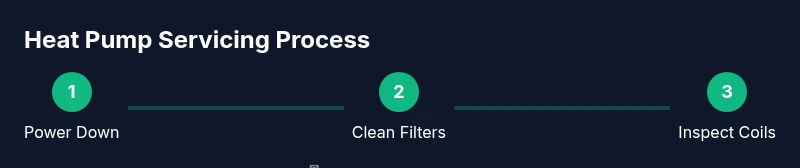
- 1
Power down and isolate the unit
Turn off the main breaker or disconnect switch and verify the system is de-energized before opening panels or touching wires. Use a non-contact tester to confirm no voltage is present.
Tip: Lockout/tagout if available and keep others away from the area. - 2
Inspect and replace the air filter
Remove and inspect the indoor air filter. Replace with the correct size and MERV rating as recommended by your system’s manual. A clean filter supports airflow and efficiency.
Tip: If a reusable filter is dirty, clean it according to the manufacturer’s instructions before reinstalling. - 3
Clean indoor coils and surfaces
Vacuum dust from the evaporator coil housing and wipe accessible surfaces. Use a soft brush to gently remove debris from coil fins without bending them.
Tip: Do not use harsh cleaners on coil fins; use products specified by the manual. - 4
Clean outdoor coils and clear debris
Clear leaves and dirt from around the outdoor condenser. Clean the coils with a soft brush or low-pressure water, taking care not to damage fins.
Tip: Avoid high-pressure washing that can bend fins or push debris into the cabinet. - 5
Check electrical connections and controls
Inspect wiring connections for signs of wear or arcing. Confirm thermostat wiring is secure and test basic system operation in both modes.
Tip: If you see scorch marks or melted insulation, stop and call a professional. - 6
Test run and verify airflow
Restart the system and confirm airflow from supply registers. Check for unusual noises or vibrations and ensure the system responds to thermostat changes.
Tip: Record any anomalies and report them to your technician during the next visit.
Your Questions Answered
How often should a heat pump be serviced?
Regular servicing is essential for efficiency and reliability. It includes safety checks, filter changes, coil cleaning, and system tests. A professional should inspect refrigerant and electrical components as needed, typically on an annual basis.
Heat pumps should be serviced regularly, with an annual professional inspection and routine homeowner checks like filter cleaning.
Can I service a heat pump myself?
Homeowners can perform simple maintenance like filter replacement and outdoor area clearance. Do not attempt refrigerant handling, electrical wiring changes, or component replacements beyond your training.
Some tasks are safe to do yourself, such as filter changes, but refrigerant work and major electrical tasks require a professional.
What are signs my heat pump needs servicing?
Unusual noises, reduced cooling/heating, ice on the outdoor coil, higher energy bills, or inconsistent thermostat behavior are indicators that service is needed.
Listen for banging or buzzing noises, and watch for poor temperature consistency.
Is refrigerant topping up required during servicing?
Only a licensed tech should handle refrigerant. Topping up without proper diagnosis can be dangerous and illegal in many jurisdictions.
Refrigerant work must be done by a licensed professional.
What is the typical cost of professional heat pump servicing?
Costs vary by region and system type. Expect a range that reflects labor and parts, with a service visit typically including safety checks, filter changes, and basic diagnostics.
Service costs vary; discuss with your technician for a written estimate.
What maintenance should I do monthly?
Check airflow at vents, inspect for unusual noises, and ensure outdoor area remains clear. Replace filters as needed and keep condensate lines clear.
Do simple checks monthly: airflow, noise, and filter cleanliness.
How can I extend my heat pump’s life?
Regular professional servicing combined with homeowner maintenance helps preserve efficiency and reduces unexpected breakdowns.
Keep up with routine service and home maintenance to maximize lifespan.
Watch Video
Top Takeaways
- Schedule regular homeowner maintenance
- Keep filters clean to improve airflow
- Do not tamper with refrigerant or electrical components
- Document service dates for warranty and future planning