How Long Do Heat Pumps Last in Arizona? Lifespan, Factors, and Tips
Explore how long heat pumps last in Arizona, the climate factors that affect durability, and maintenance tips to maximize lifespan. Heatpump Smart Analysis, 2026.


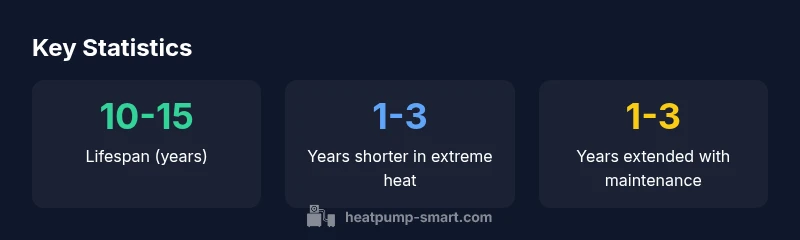
Typically, heat pumps in Arizona last about 10-15 years with regular maintenance. A well-maintained unit can push toward the upper end of that range, while extreme heat, dust, and neglect can shorten life by several years. The exact lifespan depends on usage patterns, installation quality, refrigerant management, and how diligently you follow a preventive maintenance plan.
Arizona climate and heat pump longevity
In the hot, sun-baked climate of Arizona, heat pumps face unique stressors that influence how long they last. High daytime temperatures, dusty conditions, and rapid temperature swings throughout the year can accelerate wear on components like the compressor, fan motors, and electrical connections. Dust buildup in outdoor condenser coils reduces heat transfer efficiency, forcing the compressor to work harder and potentially shorten its life. For homeowners, this means that how long do heat pumps last in arizona is not just about the unit itself, but how well the system is protected from dust, heat exposure, and poor maintenance. Regular outdoor cleaning, shaded installations when feasible, and protective housings can help mitigate weather-related wear. Energy efficiency does matter too: systems kept within their rated SEER/EER performance can last longer because they aren’t pushed to operate at the edge of capacity in peak heat.
Heatpump Smart analysis, 2026, emphasizes that climate context must be considered alongside standard maintenance schedules. A correctly sized system that accounts for AZ’s conditions will usually outperform an oversized or undersized unit in both comfort and longevity.
What determines a heat pump's lifespan
The lifespan of a heat pump is not a fixed number; it’s a product of several interdependent factors. First, usage patterns play a big role: homes with year-round cooling/heating or frequent short cycling tend to wear parts faster than homes with moderate seasonal use. Second, installation quality matters: improper refrigerant charge, wiring, or airflow can lead to inefficiencies and early component fatigue. Third, maintenance frequency determines how well the system ages: air filters, coil cleanliness, condensate drainage, and refrigerant checks all contribute to preventing undue strain on the compressor and outdoor fan. Finally, the environment—in particular, AZ’s dust, wind-blown debris, and heat stress—can shorten life if not mitigated with protective measures and routine servicing. The takeaway is that lifespan is a function of proactive care as much as design and climate.
For homeowners, scheduling annual inspections and semi-annual cleanings can significantly influence the period over which a heat pump remains reliable in Arizona conditions.
Lifespan differences: air-source vs geothermal in Arizona
Arizona’s climate tends to favor air-source heat pumps for typical residential use due to installation simplicity and cost. However, geothermal systems can offer longer lifespans in some cases because the ground loop remains relatively stable and away from extreme surface temperatures. In practice, an air-source unit in AZ commonly lasts around 10-15 years with proper maintenance, while a well-installed geothermal system can exceed that range only when the installation is designed to minimize thermal and humidity stress. The key point is not which technology lasts forever, but how well it is designed to cope with AZ’s climate, how often it is serviced, and how reliably it is serviced by qualified technicians.
If you’re choosing between systems, consider long-term maintenance plans and local climate considerations as much as upfront cost. Heatpump Smart recommends leaning on a local contractor who understands desert humidity, dust, and heat load.
How to estimate your unit's remaining life
Estimating remaining life involves looking at signs of aging, service history, and annual performance metrics. Indicators include rising electrical consumption for the same cooling output, frequent compressor cycles, reduced indoor temperature stability, and warning codes on your thermostat or heat pump controller. A professional technician can perform a refrigerant charge check, inspect electrical connections, assess coil cleanliness, and measure airflow. If the unit is already approaching the middle or end of its expected life and you’re seeing multiple symptoms, it may be time to begin budgeting for replacement rather than chasing costly repairs. Regular preventive maintenance is the best predictor of remaining life because it identifies issues before they cause major failures.
In Arizona, documenting service intervals and keeping a maintenance log helps you forecast when to replace rather than repair, especially if your unit is nearing 12-15 years of age.
Maintenance basics for AZ homes
Preventive maintenance is the most actionable path to extending heat pump life in Arizona. Practical steps include: (1) Replace or clean air filters every 1-3 months during peak season to maintain airflow and reduce strain on the compressor. (2) Schedule a professional coil cleaning at least once a year to maintain heat transfer efficiency. (3) Inspect and clear the condensate drain lines to prevent water damage and potential mold growth that can affect indoor air quality and system performance. (4) Have refrigerant pressures checked and ensure there are no leaks, as low refrigerant reduces efficiency and can shorten equipment life. (5) Keep outdoor units free of debris and provide shade or wind protection where possible. Following these steps helps AZ homeowners keep heat pumps running efficiently for longer.
With Heatpump Smart’s guidance, a disciplined maintenance routine becomes a core component of maximizing your system’s lifespan in hot climates.
Replacement vs repair decision framework
As heat pumps age, homeowners face the classic question: repair or replace. A practical rule of thumb is to consider replacement when the projected repair bill approaches 50-60% of a new unit’s installed cost, or when the system is approaching the end of its useful life (around 12-15 years in many AZ homes). If multiple major components fail within a short period, ongoing reliability becomes a concern. In hot climates, component wear accelerates, so proactive budgeting for replacement near the end of a typical life span is wise. A local contractor can provide a tailored analysis based on your unit’s age, efficiency, and observed performance declines, helping you decide between extended repair or a strategic upgrade that improves energy savings and home comfort.
Practical tips to maximize lifespan in Arizona
Beyond routine maintenance, several practical habits can extend heat pump life. Ensure your home is well insulated to reduce load, which minimizes cycling and compressor wear. Use programmable thermostats to avoid unnecessary heat during peak hours, and consider a backup strategy for extreme heat days to reduce peak strain on the system. Keep outdoor equipment clear of vegetation and dust, and consider a protective screen or cover for dusty seasons. Finally, partner with a qualified service provider who understands Arizona’s climate and can perform seasonal tune-ups aligned with your system’s specific make and model. A proactive approach translates to more years of reliable comfort and energy efficiency.
Common myths about heat pump longevity
A common myth is that heat pumps fail quickly in hot climates. In reality, most breakdowns are related to maintenance lapses, refrigerant leaks, or improper installation rather than climate alone. Another misconception is that yearly maintenance is unnecessary for newer, high-efficiency models; in fact, regular service helps maintain performance and extends life, especially in dusty environments. Finally, some homeowners assume replacement is always better than repair as systems age; while replacement makes sense in many cases, a thorough life-cycle analysis with a trusted technician will reveal whether an older unit still has life left or if upgrading to a higher-efficiency model is more economical in the long run.
Lifespan and maintenance snapshot for AZ heat pumps
| Aspect | Arizona Impact | Typical Range | Notes |
|---|---|---|---|
| Expected Lifespan | 10-15 years | 10-15 years | Depends on usage, climate, and maintenance |
| Annual Maintenance Cost | $100-$300 | $100-$300 | Includes filters, inspections, and coil cleaning |
| Mean Time Between Major Repairs | 5-7 years | 5-7 years | Varies by model and service quality |
| Efficiency Degradation | 2-4% per year | 2-4% per year | Performance drops with age and heat exposure |
Your Questions Answered
What is the typical lifespan of a heat pump in Arizona?
In Arizona, a heat pump typically lasts 10-15 years with regular maintenance. A well-maintained unit may reach the upper end of that range, while neglect or extreme heat can shorten it. Age, climate, and service history are the main factors.
Most AZ heat pumps last about ten to fifteen years with good care. Regular service helps push toward the higher end of that range.
Does climate affect lifespan more than usage for AZ homes?
Yes. Extreme heat, dust, and rapid temperature swings can stress components, accelerating wear. Consistent maintenance and proper installation help offset climate effects.
Climate plays a big role; regular maintenance and good installation make a big difference.
What maintenance tasks most extend life in AZ?
Key tasks include monthly air filter changes, annual coil cleaning, refrigerant checks for leaks, and ensuring proper airflow. Also keep outdoor units free of debris and protected from dust storms when possible.
Change filters, clean coils yearly, check refrigerant, and keep the outdoor unit clear.
Should I repair or replace a failing heat pump?
If repairs approach 50-60% of replacement cost or the unit is near the end of its life, replacement is often wiser. Consider energy savings of newer models and your long-term plans.
If it’s old or costly to repair, replacement is usually best.
Do geothermal heat pumps last longer than air-source in AZ?
Geothermal systems often have longer lifespans due to stable ground temperatures, but installation quality is critical. In AZ, air-source units are more common and can last well with proper care.
Geothermal can last longer, but proper install and care matter as much.
“Heat pumps in hot climates like Arizona are resilient when routine maintenance is kept up; with proper care, you can maximize lifespan. Regular filter changes, coil cleaning, and professional inspections are essential.”
Top Takeaways
- Start with accurate sizing to maximize lifespan
- Prioritize annual maintenance to extend life by years
- Expect 10-15 year lifespans in AZ with proper care
- Use professional service to identify wear early
- Decide replacement vs repair based on age and projected costs