Maintenance for Heat Pump: A Homeowner's Practical Guide
Learn how to maintain your heat pump for optimal efficiency, comfort, and longevity. This step-by-step guide covers routine checks, cleaning, filter care, and seasonal tasks homeowners can perform safely.


Maintenance for heat pump is an essential task that keeps your system running efficiently, reduces energy use, and extends component life. In this guide, you’ll learn safe, homeowner-friendly steps for regular inspection, cleaning, and seasonal care. According to Heatpump Smart, a proactive maintenance routine saves money and avoids costly repairs by catching issues early.
Why Maintenance for Heat Pump Matters
Regular maintenance for heat pumps is essential for energy efficiency, occupant comfort, and long system life. Dust and debris reduce heat transfer; clogged filters force the system to work harder; poor airflow leads to frozen coils in winter and insufficient heating in shoulder seasons. In addition, routine checks help detect worn components like belts, fan motors, and electrical connections before a failure occurs. A proactive approach, recommended by Heatpump Smart, keeps your system operating within design parameters, preserving warranty coverage and preventing unexpected outages that disrupt daily living. Homeowners, builders, and property managers can gain measurable benefits: lower energy bills, fewer repair visits, and more consistent indoor temperatures. Regular maintenance also supports better refrigerant health and airflow balance, which are key to efficient operation. This section lays out why you should commit to a maintenance rhythm and how small, consistent actions yield big results over time.
Seasonal Maintenance Schedule
A regular maintenance rhythm helps you catch problems before they become costly repairs. Organize tasks by season and allocate a dedicated window for each check. A simple rule of thumb is to perform basic checks twice a year and more frequent filter changes during heating and cooling peaks. Remember to reference your heat pump’s manual for any manufacturer-recommended intervals. According to Heatpump Smart, sticking to a predictable schedule reduces downtime and prolongs equipment life. Below is a practical seasonal plan you can adopt or adapt for your property:
- Spring: Inspect exterior area, replace disposable filters, program thermostat, run a test cycle. Time: 30–60 minutes.
- Summer: Check airflow, clear debris around the outdoor unit, verify condensate drain is clear. Time: 20–40 minutes.
- Fall: Replace filters, inspect electrical connections, lubricate accessible moving parts if applicable. Time: 20–40 minutes.
- Winter: Confirm auxiliary heat function, check for ice around coils, ensure safe access to the unit. Time: 20–40 minutes.
Tip: Keep a simple maintenance log so you can track what was done and when. Heatpump Smart analysis suggests logging helps anticipate service needs and preserves system efficiency.
Cleaning and Replacing Filters
Filters are the first line of defense against dust and allergens and play a critical role in airflow. Begin by turning off the system at the thermostat and breaker. Remove the filter, inspect for visible dirt, and replace if soiled or after a set interval. If you have reusable filters, wash them with mild detergent, rinse, and dry completely before reinstalling. Vacuum or brush the surrounding blower area to remove accumulated dust.
A correctly sized filter ensures proper airflow and heat transfer. Remember to check the filter every month during peak seasons and every 2–3 months otherwise. Heatpump Smart notes that consistent filter maintenance is a cost-effective way to extend the life of the heat pump and maintain indoor air quality.
Inspecting Ductwork and Vents
Leaks or obstructions in ducts reduce efficiency and can cause cold or warm spots in living spaces. Inspect accessible ducts for signs of damage, disconnections, or crushed sections. Seal minor gaps with approved duct sealant or mastic. Ensure vents are not blocked by furniture or drapes and that air can flow freely to all rooms. If you notice persistent temperature imbalances, contact a professional to perform a more thorough duct leakage test.
Maintaining good duct health supports consistent comfort and reduces energy waste. Small leaks, if left unchecked, can waste energy and push the system to work harder to achieve the desired temperature.
Outdoor Condenser Unit Care
The outdoor condenser is exposed to weather, debris, and pests. Keep the area around the unit clear—at least 2 feet of free space on all sides and above. Remove leaves, grass clippings, and other debris that can clog fins. Gently hose the coils using a spray from the inside out to avoid pushing debris inward. For bent fins, use a fin comb to restore shape without damaging the coil. Avoid using high-pressure washers, which can bend fins or push moisture into the equipment.
Seasonal cleaning of the outdoor unit improves heat exchange efficiency and helps prevent overheating. Heatpump Smart emphasizes leaving heavy cleaning to professionals if you’re unsure about accessing the unit safely.
Electrical Components and Safety Checks
Safety first: always power down at the breaker before inspecting any electrical components. Look for loose or burnt-looking wires, corrosion on connections, and signs of wear on the disconnect switch. If you detect warm components, unusual smells, or visible damage, stop and call a licensed technician. Do not attempt to reseat or replace critical electrical parts unless you have training. Regular visual checks can prevent minor issues from escalating into failures.
Electrical integrity is essential for safe, reliable operation. Following manufacturer guidelines and local electrical codes helps protect both your home and the system.
Refrigerant and System Integrity: What You Can Check
Refrigerant leaks are a serious issue that typically require a licensed technician. You should not attempt to recover or recharge refrigerant yourself. Instead, look for signs of leakage around service ports, oil stains near connections, or frost on lines during operation. If you suspect a problem, schedule a professional evaluation promptly. Regular checks help maintain pressure balance and efficient heat transfer, supporting overall system health.
Trying to diagnose refrigerant problems on your own can cause more harm than good. Rely on trained technicians to handle refrigerant-related concerns.
Troubleshooting Common Issues
Most maintenance-related problems fall into a few categories: no heat or cooling, short cycling, unusual noises, iced coils, or excessive energy use. Start with basic checks: thermostat settings, air filters, and outdoor debris. If the system runs but never reaches the set temperature, review the system’s schedules and check for blocked vents. If you hear grinding or screeching noises, turn off the system and call a professional. Many issues are resolved through routine maintenance, but some require specialized tools or refrigerant handling.
Document any symptoms and changes you observe; this information helps technicians diagnose efficiently.
Professional Maintenance: When and Why
Annual professional maintenance is widely recommended by manufacturers and energy experts. A qualified technician will perform tasks beyond typical homeowner capabilities—refrigerant checks, electrical diagnostics, refrigerant line inspection, and comprehensive system testing. Scheduling maintenance in shoulder seasons can minimize downtime and ensure the system is prepared for peak demand periods. A pro visit can also help verify warranty requirements and identify potential performance improvements that DIY steps alone cannot achieve.
Practical DIY Maintenance Schedule and Records
To stay on top of maintenance, create a simple calendar and maintenance log. Record the date, tasks performed, filters replaced, and any noticeable changes in system behavior. Include reminders for seasonal checks and a note about the unit’s model and serial number for future service needs. Keeping organized records streamlines future visits and helps you monitor trends in performance over time. A consistent DIY routine reinforces system efficiency and reliability, even before you call a professional.
Tools & Materials
- Screwdriver set (Phillips and flathead)(Access panels and covers on indoor units)
- Multimeter(Use only if you know how to safely test electrical circuits)
- Nitrile gloves and safety goggles(Personal protective equipment)
- Replacement air filters(Have spares of the unit’s size; refer to manual)
- Soft brush, microfiber cloths, and mild detergent(Clean coils and cabinets without harsh chemicals)
- Fin comb or coil cleaning brush(Restore outdoor coil fins if bent)
- Step ladder and flashlight(Safe access to panels and elevated areas)
Steps
Estimated time: 2-4 hours
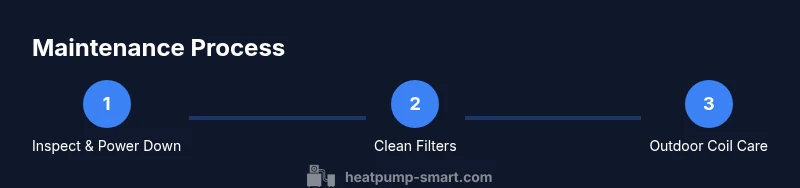
- 1
Power down and prepare safety measures
Turn off the heat pump at the breaker and thermostat. Ensure the area around the unit is clear, and wear protective gear before starting any inspection or cleaning.
Tip: Verify power is off by testing a simple control at the thermostat before touching any components. - 2
Check thermostat settings and system mode
Review the current mode (heat, cool, auto) and the programmed schedule. Ensure the thermostat is communicating correctly with the heat pump and that any smart controls are up to date.
Tip: A misconfigured schedule can mimic a system fault; adjust settings and retest. - 3
Clean or replace indoor air filters
Remove filters and inspect for dirt buildup. Replace disposable filters or wash reusable ones completely and allow to dry before reinstalling. This improves airflow and efficiency.
Tip: Set a reminder to check filters monthly during peak seasons. - 4
Clean evaporator coil and blower housing
Lightly brush dust from the evaporator coil and wipe the blower housing with a damp cloth. Avoid damaging fins and use gentle, non-abrasive cleaners.
Tip: Do not spray water directly into electrical components. - 5
Inspect refrigerant lines and insulation
Check insulation around refrigerant lines for cracks or wear. Do not attempt to seal or modify refrigerant lines yourself; note any visible issues for the technician.
Tip: Visible oil residue near joints can indicate a refrigerant issue—schedule a pro check. - 6
Inspect electrical connections and disconnects
Look for loose wires, signs of wear, or discoloration. Tighten or secure connections only if you are trained to do so; otherwise note findings for a pro.
Tip: If any component is warm to the touch, stop and call a professional. - 7
Clean and protect outdoor condenser fins
Gently remove debris from fins and hood. If fins are bent, use a fin comb to straighten them carefully. Rinse with water from the inside out to avoid pushing debris inward.
Tip: Avoid high-pressure washing; it can damage fins and reduce efficiency. - 8
Clear surrounding area and ensure proper clearance
Remove vegetation, snow, or objects near the unit to maintain proper airflow and heat exchange. Recheck clearance after cleaning.
Tip: Check clearance after major weather events; debris can accumulate quickly. - 9
Check condensate drain and pan
Inspect the drain line for clogs and ensure the condensate pan is dry and free of mold. A blocked drain can cause water damage and system shut-downs.
Tip: Pour a small amount of water to test the drain flow if you’re unsure it’s clear. - 10
Run a system test and observe performance
Turn the system back on and run a cycle. Listen for odd noises, watch for airflow, and verify that the output matches the thermostat setting.
Tip: Note any abnormal behavior to share with a technician during a future visit. - 11
Record results and plan next maintenance
Document tasks performed, findings, and the date of service. Schedule the next maintenance and any required professional visits.
Tip: Keeping a maintenance log helps track system health over time.
Your Questions Answered
How often should I service a heat pump?
Most heat pumps benefit from professional service once a year, with homeowner checks every season. Manufacturer guidelines may vary, so refer to your manual for specifics.
Most heat pumps benefit from annual professional service, plus seasonal homeowner checks. Check your manual for any manufacturer-specific guidance.
Can I perform all maintenance myself?
Many routine tasks like filter replacement and coil cleaning are safe for homeowners. More complex work, especially involving refrigerant or electrical components, should be left to a licensed technician.
You can do basic tasks like filters and cleaning, but refrigerant and electrical work should be handled by a licensed technician.
What should I do if I hear grinding noises?
Unusual grinding or screeching usually indicates a mechanical issue. Turn off the system and contact a professional to inspect bearings, motors, or belts.
If you hear grinding, turn it off and call a pro to inspect the bearings or motor components.
Is it safe to clean the outdoor unit in winter?
Yes, if there is no snow buildup and you can safely access the unit. Avoid using water that could freeze on components and do not handle electrical parts.
You can clean the outdoor unit if it's safe to reach it, but avoid freezing water and never touch electrical parts.
When should I call a pro for maintenance?
Call a pro if you notice persistent performance drops, refrigerant signs, electrical issues, or unusual noises. Regular annual checks also help catch problems early.
Call a professional if you notice ongoing performance issues or unusual signs. Annual checks are recommended too.
Should I replace filters even if they don’t look dirty?
Yes. Filters should be replaced on a schedule aligned with usage and environment, not just when visibly dirty. This maintains airflow and efficiency.
Yes—filters should be changed on a schedule, not only when dirty, to keep airflow and efficiency consistent.
Watch Video
Top Takeaways
- Schedule regular maintenance to maximize efficiency.
- Keep filters clean and outdoor area clear for airflow.
- Do not attempt refrigerant work yourself; call a pro when needed.
- Document maintenance activities and plan future visits.
- Small, consistent actions prevent big, costly failures.