How to Protect Heat Pumps From Freezing Rain
Learn practical steps to shield your heat pump from freezing rain, reduce ice buildup, and maintain efficiency through winter. Heatpump Smart guides you through prep, protection, and maintenance.


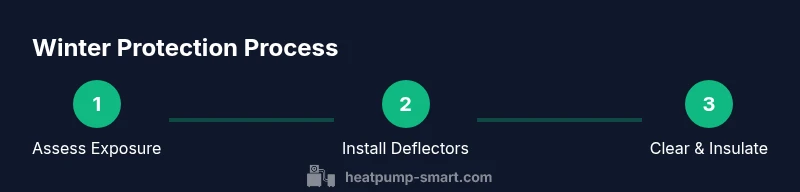
Protecting a heat pump from freezing rain requires shielding the outdoor unit from direct rain while preserving airflow. Start by assessing location and exposure, install manufacturer-approved rain deflectors or wind guards, and maintain a clear 12–24 inch radius around the condenser. Perform pre-storm checks and post-storm cleanup to minimize ice buildup and wear.
Why freezing rain threatens heat pumps
Freezing rain presents a dual threat to outdoor heat pumps: ice buildup on the condenser coil and icy paths that block airflow. When liquid rain freezes on the cabinet, the fan struggles and energy efficiency drops. The Heatpump Smart team found that even light ice accumulation can cause the system to run longer cycles to reach the setpoint, increasing wear on fans and compressors. To minimize risk, position the unit away from areas where rain can accumulate, avoid under overhangs that drip ice onto the cabinet, and ensure there is unobstructed airflow around the unit. Regular inspections around the condenser during rain events help catch ice early, and proactive clearing reduces long-term damage. Planning for winter weather with the right accessories and site adjustments can keep performance steady all season.
In addition to weather considerations, remember that surrounding vegetation and debris can trap moisture and worsen icing. Heatpump Smart recommends keeping a clean, debris-free apron (the area immediately around the unit) and trimming back shrubs so that airflow remains uninterrupted during a storm.
Protective strategies for outdoor units
Protecting the outdoor unit starts with airflow and drainage. Install manufacturer-approved rain deflectors or wind guards to direct rain away from the cabinet while preserving air intake. A small, vented canopy or shield can deflect precipitation without sealing the unit off from the environment. Maintain a clear radius around the condenser — at least 12–24 inches on all sides — and ensure snow is cleared away promptly. Never cover the unit with a solid tarp or an enclosure; such coverings trap moisture and heat, potentially causing coil icing and compressor stress. Heatpump Smart stresses ventilation and proper clearance as the core principles of winter protection. If you choose any protective accessory, confirm it’s specifically designed for heat pumps and meets your local code requirements.
Keep outdoor wiring and refrigerant lines insulated and free of ice. Insulation minimizes condensation and keeps temperature differentials from stressing lines during freeze-thaw cycles. For extreme rain, add a breathable, vented cover only if the manufacturer approves it for your model.
Installation considerations and placement
Site selection matters as much as accessories. Place the outdoor unit away from high-traffic walkways where thawing rain can hit it directly, and avoid areas where wind-driven rain can pool around the cabinet. If possible, orient the unit to reduce direct exposure to prevailing rain paths. Elevate the unit slightly on purpose-built pads that maintain drainage and prevent water-logging of the base. A level base prevents vibration and stray moisture from creeping into electrical connections. Make sure nearby structures do not block airflow or trap cold air around the condenser. Proper placement reduces ice formation and helps the system operate in its defrost cycle more efficiently, even during freezing rain. The Heatpump Smart team notes that site planning is a straightforward yet high-impact step in winter reliability.
Maintenance practices before and during freezing rain
Before a freezing rain event, clear the area around the unit of leaves, twigs, and snow. After a storm, inspect the outdoor unit for ice buildup on the coil and ensure there is no debris lodged in the grill or near the fan. Gently brush away loose ice with a plastic tool; never use metal objects that can scratch fins or damage the housing. Check that the drain line leading from the indoor coil remains clear and accessible, as excessive humidity during damp conditions can contribute to coil icing if drainage is blocked. If ice persists, turn off outdoor power briefly only if instructed by your system manual and contact a professional if you notice unusual noises or refrigerant signs. Regular winter tune-ups from a qualified technician help detect minor issues before they escalate into costly repairs. Heatpump Smart’s guidance emphasizes proactive maintenance rather than reactive fixes.
When to call a professional
If you notice persistent ice buildup that doesn’t clear with normal defrost cycles, audible grinding or banging from the fan, signs of refrigerant leakage, or overheating in the outdoor unit, stop using the system and call a licensed technician. Electrical smells, scorch marks, or blinking fault codes on the outdoor unit are indicators that a professional assessment is needed. Post-storm damage, such as bent fins or crushed coil tubing, should be evaluated promptly to prevent long-term efficiency losses. The Heatpump Smart team recommends scheduling a preventative winter check before the coldest months arrive, especially if your area experiences frequent freezing rain.
Quick home-safe prep list for freezing rain
- Clear a 2–3 ft perimeter around the unit and remove heavy snow build-up promptly.
- Use a plastic scoop or brush to remove loose ice; avoid metal tools that can damage fins.
- Do not place objects on top of the unit or seal it in with a tarp; ventilation is essential.
- Install only manufacturer-approved deflectors or shields; ensure compatibility with your model.
- Schedule a professional inspection if you notice ice-heavy buildup after a storm or if the unit runs abnormally long defrost cycles.
Tools & Materials
- Manufacturer-approved rain deflector / wind guard(Confirm compatibility with your heat pump model)
- Ventilated protective canopy (optional)(Should not seal airflow; breathable and vented)
- Plastic snow scoop or soft brush(Avoid metal tools to prevent fin damage)
- Weatherproof, UV-rated hose or insulation tape for lines(Use only where recommended by the manufacturer)
- Non-conductive gloves(For safe handling during snow removal)
- Level paving pad or concrete blocks(Keep unit level and above ground moisture)
Steps
Estimated time: 1–2 hours for setup; plus ongoing seasonal checks (monthly during heavy winter) and post-storm inspections
- 1
Assess exposure and airflow
Evaluate the unit’s exposure to freezing rain and prevailing winds. Check that there is unobstructed airflow on all sides and that nearby debris won’t redirect moisture toward the condenser. Why: good airflow reduces ice buildup and helps the defrost cycle operate efficiently.
Tip: Document the current clearance with a simple sketch so you can compare after installing deflectors. - 2
Choose and install deflection accessories
Select manufacturer-approved rain deflectors or wind guards compatible with your model. Install them according to the product instructions, ensuring they direct rain away from the cabinet while preserving intake air.
Tip: Avoid temporary makeshift shields; improper shielding can trap moisture and cause more icing. - 3
Clear surrounding snow and debris
Before a storm, remove leaves, branches, and light snow from around the unit. After a storm, brush away ice with a plastic tool and check for debris that could block airflow.
Tip: Do not use metal tools that can bend fins or scratch the cabinet. - 4
Insulate exposed refrigerant lines
Ensure refrigerant lines are properly insulated with UV-rated foam to reduce condensation and heat loss. This helps minimize frost formation at start-up and during rain events.
Tip: Inspect insulation for wear and replace if torn. - 5
Check drainage and indoor components
Verify that indoor condensate drainage is clear and the interior coil’s defrost cycle is functioning. A blocked drain can contribute to humidity-related icing on cold days.
Tip: If you hear gurgling or see standing water, contact a pro to inspect the drain line. - 6
Consider a breathable protective cover (if approved)
If the manufacturer approves, use a breathable, vented cover during heavy rain periods. Never seal the unit completely, as trapped moisture can worsen icing and corrosion.
Tip: Always re-check the cover after storms for wind damage or detachment. - 7
Schedule a winter maintenance check
Book a professional winter tune-up before the cold season. A technician can verify defrost timing, airflow, refrigerant pressures, and electrical connections.
Tip: Keep a storm log to track issues and maintenance dates for ongoing reliability.
Your Questions Answered
Can I cover my heat pump during freezing rain?
Avoid solid coverings that seal the unit. Use manufacturer-approved, vented deflectors or covers only if recommended by the maker. Ventilation is essential to prevent ice buildup.
Avoid solid covers. Use vented deflectors only if your manufacturer approves them; ventilation is key to preventing ice buildup.
What should I do before a freezing rain storm?
Clear the area around the unit of leaves and snow, check airflow clearance, and ensure any deflectors or shields are properly installed. This reduces ice formation during the storm.
Before a storm, clear the area and verify deflectors are properly installed to reduce icing.
Will freezing rain damage my heat pump?
Ice buildup and moisture can stress components and reduce efficiency if not managed. Regular maintenance and protective accessories help minimize damage.
Ice can stress components if not managed; maintenance and proper protection reduce the risk.
How often should I inspect the outdoor unit in winter?
Check the unit weekly during severe weather and after major storms for ice buildup or debris. Prompt removal of ice helps maintain efficiency.
Check weekly in winter; clean off ice after storms to keep it running smoothly.
Is DIY maintenance safe for freezing rain protection?
Some tasks, like clearing around the unit and inspecting accessible parts, are safe. Avoid opening electrical components or handling refrigerant lines yourself; call a pro for those tasks.
Light maintenance around the unit is OK, but call a professional for electrical or refrigerant work.
When should I call a professional?
Call a professional if ice remains after defrost cycles, you hear abnormal noises, or you suspect refrigerant leaks or damaged fins.
Call a professional if ice persists, there are unusual noises, or you suspect a refrigerant issue.
Watch Video
Top Takeaways
- Protect airflow, don't seal the unit.
- Use manufacturer-approved deflectors for rain.
- Clear, debris-free surroundings prevent icing.
- Insulate lines to reduce condensation and frost.
- Schedule professional winter maintenance annually.