How to Protect a Heat Pump from Ice: A Practical Guide
Learn practical steps to prevent ice buildup on your outdoor heat pump, maintain airflow, and protect defrost cycles. This guide offers maintenance routines, safety tips, and professional guidance for homeowners and property managers.


Learn how to protect heat pump from ice with a practical, step-by-step approach. According to Heatpump Smart, prevention starts with clear airflow, proper placement, and pre-season maintenance. This quick guide outlines essential actions to minimize ice buildup, protect coils, and keep defrost cycles reliable throughout winter. It highlights safety, timing, and when to call a professional.
Why protecting heat pumps from ice matters
Ice buildup on outdoor heat pumps can reduce efficiency, raise energy bills, and shorten equipment life. In cold climates, frost can form on coils, restrict airflow, and cause the defrost cycle to run longer. Knowing how to protect heat pump from ice means keeping the unit ventilated, clean, and well maintained so it can reliably deliver heat when you need it most. This section explains why ice is more than a nuisance and how prevention pays off in comfort and savings throughout winter.
How ice forms on heat pumps and where it happens
Understanding the science helps with prevention. Ice typically forms when moist air meets the cold outdoor coil and the unit's fan and airflow are blocked by debris, snow, or nearby structures. Frozen coils reduce heat transfer, forcing the system to work harder and potentially triggering longer defrost cycles. Ice often appears on the top or sides of the outdoor unit and can extend to the refrigerant lines if drainage is blocked. By recognizing these common hot spots, you can target your protection efforts where they matter most.
Prevention: airflow, clearance, and wind protection
Prevention starts with airflow and appropriate clearance. Keep the outdoor unit free of surrounding vegetation, snow piles, and objects that block the grille. Maintain a clear air path to allow warm refrigerant to dissipate heat efficiently. In windy areas, consider windbreaks or strategic landscaping that shields the unit without restricting airflow. Do not place decorative lids or covers that trap moisture directly over the coil; improper covers can trap ice and cause damage.
Seasonal maintenance you can perform before the first frost
Before winter arrives, schedule a quick inspection and perform routine upkeep. Clean surrounding debris, gently brush frost or dust from the coils, and ensure the condensate drain is clear. Check the electrical disconnect and service switch, and verify the thermostat defrost cycle engages when temperatures drop. Document any unusual noises or performance changes so you can share them with a technician.
Safe handling and defrost considerations when ice appears
When you notice ice buildup, start with safety: switch off power to the outdoor unit at the service disconnect or breaker. Do not strike ice with sharp tools; use a warm, damp cloth or a plastic scraper if necessary. If the defrost cycle is not removing ice, avoid forcing a cure with heat; contact a professional. If your unit continues icing, there may be a refrigerant or sensor issue.
Proactive upgrades and protective measures
Small upgrades can reduce ice risk. Elevate the unit if it sits low on the pad and ensure correct drainage away from the unit. Use a purpose-built enclosure only if it follows manufacturer guidance; many units are designed to ventilate openly. Consider seasonal windbreaks or snow management plans to minimize snow piling around the unit.
When ice buildup indicates a deeper problem
Persistent or heavy icing can signal problems beyond routine maintenance, such as a malfunctioning defrost sensor, restricted airflow from a failed capacitor, or refrigerant issues. If you observe repeated icing after maintenance, schedule a service call promptly. Early diagnosis prevents escalating damage and keeps your heating costs under control.
Quick-check checklist and maintenance calendar
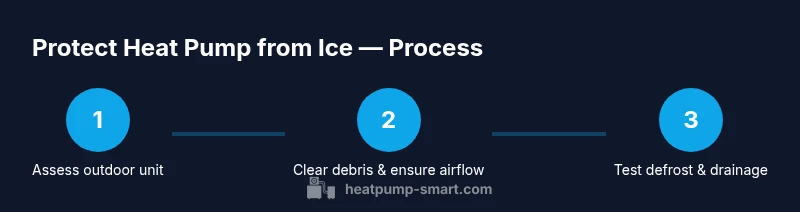
Use this quick checklist before cold snaps: clear the area around the outdoor unit, remove snow buildup, test defrost function, inspect for ice reformation, ensure condensate drain is flowing, and schedule a professional check annually. Create a simple winter calendar and set reminders for pre-season service.
AUTHORITY SOURCES
References:
- Energy Department guidance: https://www.energy.gov/energysaver/heat-pumps
- National Renewable Energy Laboratory: https://www.nrel.gov
- National Academies Press: https://nap.edu
Tools & Materials
- Ladder(Use a sturdy, rated ladder; have a helper if needed.)
- Gloves(Insulated work gloves for grip and warmth.)
- Soft-bristle brush(Gentle brushing to dislodge debris without damaging fins.)
- Flashlight(Better visibility when inspecting unit in dim light.)
- Garden hose with spray nozzle(Light rinse of coils only if manufacturer allows.)
- Non-abrasive coil cleaner(Follow label directions; avoid harsh chemicals.)
Steps
Estimated time: 60-90 minutes
- 1
Power off the outdoor unit before inspection
Switch off the outdoor unit at the service disconnect or breaker to prevent the fan from starting unexpectedly while you inspect. This reduces the risk of injury and avoids moving parts near ice. Confirm power is off with a quick test using a flashlight and touch to ensure no movement.
Tip: Always verify power is off at both the unit and the home switchboard before touching any components. - 2
Clear the area around the unit for airflow
Remove snow, leaves, and debris from the outdoor cabinet and ensure there is unobstructed airflow on all sides. Airflow is essential for heat transfer and defrost effectiveness. Reposition objects or vegetation that may have grown near the unit last season.
Tip: Maintain a clear zone around the unit year-round to prevent sudden icing when temperatures drop. - 3
Gently inspect and brush the coils
Use a soft-bristle brush to remove dust and light frost from the condenser fins without bending them. Do not use metal tools that can puncture or deform the fins. A clean surface improves heat exchange and reduces ice formation during cold spells.
Tip: Work from the top down and keep the fins straight with gentle strokes. - 4
Check the condensate drain and defrost function
Inspect the condensate drain for clogs and ensure the unit’s defrost cycle engages when required. A blocked drain can cause moisture to echo ice formation on the coil. If the defrost cycle does not operate, note it for professional inspection.
Tip: A functioning defrost cycle is a primary defense against ice buildup. - 5
Review wind protection and unit placement
Assess whether wind exposure or nearby structures push cold air toward the unit. If needed, adjust placement or add a windbreak that does not impede airflow. Never seal the unit with a cover that traps moisture and ice.
Tip: Wind direction and airflow pattern significantly influence icing risk. - 6
Schedule a professional maintenance check
Even with good DIY care, a professional should inspect refrigerant levels, electrical components, and sensor calibration annually or more often in harsh winters. A pro check helps catch hidden issues before they cause ice or expensive damage.
Tip: Set a recurring reminder for yearly professional service.
Your Questions Answered
What causes ice on heat pumps?
Ice forms when moisture freezes on the outdoor coil due to low temperatures and restricted airflow. Debris and snow can block airflow and the defrost cycle may not trigger properly. Recognizing these conditions helps you target prevention effectively.
Ice forms when moisture freezes on the outdoor coil because it's cold and airflow is blocked; debris or blocked drainage can worsen it.
Is it safe to use de-icers around the outdoor unit?
Only use products recommended by the manufacturer, and never pour boiling or highly concentrated chemicals on coils. De-icers should be used with caution and according to guidelines to avoid coil damage.
Don’t pour chemicals on the unit; follow manufacturer guidance for any de-icing products.
Should I cover my heat pump in winter?
Most manufacturers advise against covering outdoor units; covers can trap moisture and cause more ice. If a cover is used, ensure it is vented and removed during operation.
Avoid covering the unit; if you must, ensure it’s ventilated and removed during operation.
When should I call a professional for icing?
If ice persists after routine maintenance, if the defrost cycle fails to clear ice, or you notice unusual noises or refrigerant concerns, contact a licensed HVAC technician.
Persistent icing or strange noises mean a professional should check the system.
How often should I schedule maintenance?
Most homes benefit from an annual professional inspection, with a mid-season check in very cold climates. More frequent checks may be needed for extreme exposure.
An annual check is common, with extra checks in harsher winters.
Can icing affect indoor heating efficiency?
Yes, ice reduces heat transfer, raises energy use, and can shorten equipment life. Fixing icing improves overall efficiency and comfort.
Ice on the outdoor unit makes indoor heating work harder; fix ice to restore efficiency.
Watch Video
Top Takeaways
- Keep outdoor unit clear of snow, debris, and vegetation.
- Maintain clear airflow and a working defrost cycle.
- Perform a pre-season maintenance check annually.
- Address root causes promptly to prevent recurring icing.