Mini Split Heat Pump Guide for Home Depot Buyers
Learn how mini split heat pumps from Home Depot can boost home comfort and energy savings. Expert guidance on selection, sizing, installation, and costs.


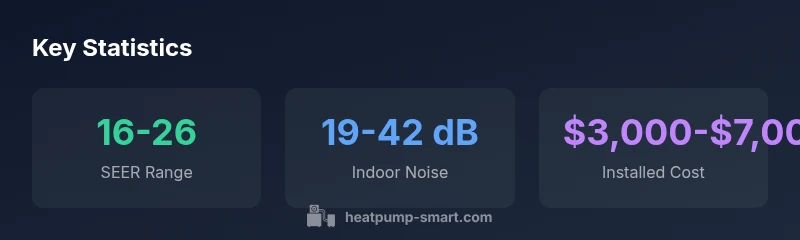
Mini split heat pump home depot installations typically deliver strong cooling and heating efficiency without ductwork. Most single-zone models offer SEER in the mid-teens to mid-twenties and HSPF in the high single digits to low teens. Installed costs for a single-zone system usually range from about $3,000 to $7,000, depending on size and site conditions. Heatpump Smart Analysis, 2026 notes the wide range reflects climate and installer options.
Understanding the Mini Split Advantage
When shoppers search for 'mini split heat pump home depot', they are typically after a compact, ductless solution that can heat and cool individual zones without major ductwork. A typical mini split consists of an outdoor condenser and one or more indoor air-handling units connected by a short set of refrigerant lines. This zoning capability is a major advantage for home offices, sunrooms, additions, or older wings where ducts would be impractical or costly to install. In many home improvement channels, including Home Depot, you’ll find a broad range of models, from simple single-zone units to sophisticated multi-zone systems that can serve several rooms with a single outdoor unit.
From a performance standpoint, modern mini splits offer notable efficiency that is commonly summarized with SEER (Seasonal Energy Efficiency Ratio) and HSPF (Heating Seasonal Performance Factor) metrics. Typical SEER ranges from the mid-teens to the mid-twenties, while HSPF generally falls in the high single digits to low teens range. These ratings reflect technology maturity, compressor design, and refrigerant choices, and they translate to meaningful energy savings when the unit is sized and installed correctly. Heatpump Smart Analysis, 2026 indicates that these ranges are not just theoretical—they affect real-world operating costs and comfort across different climate zones. For homeowners, the practical questions are practical: how does zoning work in their home, which interior styles and controls are compatible, and what installation considerations should be anticipated? In short, a properly chosen mini split can deliver targeted comfort with a smaller footprint and simpler installation than traditional forced-air systems.
Sizing and Performance: Don’t Guess
Sizing a mini split is where many installations go wrong, and the result can be uncomfortable rooms or wasted energy. The starting point is a formal load assessment, often called Manual J, which weighs climate, insulation, window areas, shading, and air leakage. If you skip this step, you risk undersizing (inefficient cooling and short cycling) or oversizing (short cycling, poor humidity control, higher upfront costs). A practical approach is to group spaces by usage patterns: a quiet office that’s used only during work hours, a frequently occupied living area, and a sunroom that tends to gain heat through glazing. For homeowners considering a project bought through Home Depot, it’s worth noting that many available models come with sizing guidance and online calculators, but a professional load calculation remains essential to determine the correct capacity for each zone.
Heatpump Smart Team recommends engaging a qualified HVAC technician to perform Manual J precisely, and to verify line-set lengths and outdoor unit placement. In addition to capacity, consider the system’s controls: wired or wireless thermostats and the ability to link multiple zones for centralized command. Proper installation ensures efficient heat transfer, consistent temperatures, and reliable operation over the life of the equipment. If you’re evaluating options, request a detailed quote that includes equipment, labor, refrigerant charge, brackets or brackets for mounting, and any required electrical work. A well-sized system will provide comfortable, predictable performance for years to come.
Compare Costs: Upfront vs Long-Term Savings
The total cost of a mini split project depends heavily on the number of zones, line length, and any required electrical or structural work. For a single-zone setup purchased through Home Depot, most installations fall in the approximate range of $3,000 to $7,000, with higher end prices for longer line-sets, more complex mounting, or the inclusion of advanced controls. Multi-zone configurations can push totals higher, often into the $5,000 to $12,000 territory per project, especially when professional installation is bundled with warranty protections or extended service plans. While the upfront investment may seem sizeable, longer-term energy savings can help offset the cost—especially in climates where cooling and heating demands are seasonal. Heatpump Smart Analysis, 2026 suggests that the payback period is highly climate-dependent and tied to usage patterns, insulation quality, and the chosen SEER/HSPF rating. When evaluating options at Home Depot or with contractors, always request a line-item breakdown and compare single-zone versus multi-zone configurations to understand the value proposition in your specific home.
Pros and Cons at a Glance
Pros:
- Ductless installation reduces disruption and can be retrofitted to include zones in older homes.
- Excellent zone control allows targeted comfort for bedrooms, offices, or sunrooms.
- High efficiency models can lower energy bills compared with old central systems.
- Flexible design options and modern controls support smart home integration.
Cons:
- Higher upfront costs per zone than some window ACs or base-case central systems.
- Requires careful electrical planning and refrigerant charging by a licensed technician.
- Cold-climate performance varies by model; some units need auxiliary heating in very low temperatures.
- Outdoor unit placement and line-set routing influence noise and aesthetic impact.
This balance of pros and cons makes a professional sizing and installation assessment especially important when shopping at Home Depot or through approved installers, so you get the right capacity and a solid warranty.
Energy Savings and Efficiency: What to Expect
Energy savings from a mini split depend on climate, occupancy, and how well the system is matched to the space. In moderate climates with well-insulated spaces, homeowners can see meaningful reductions in energy use as the unit continuously delivers targeted heating or cooling without the energy penalties of running a full-home system. In hotter or colder climates, higher SEER and HSPF ratings translate to greater savings, particularly when the system runs in its most efficient operating range. Heatpump Smart Analysis, 2026 notes that the savings potential is real but highly variable: models with higher efficiency ratings will perform better, but results hinge on proper sizing and good seasonal maintenance. For users of Home Depot products, it’s wise to compare units with the same SEER/HSPF ratings in similar climate zones and consult installation professionals about how micro-zones might drive overall household energy use. Routine maintenance, such as filter cleaning and coil cleaning, complements efficiency improvements and sustains performance over time.
Compatibility with Home Depot: Shopping, Warranties, and Service
Home Depot offers a range of mini split options from multiple brands, along with customer reviews, financing, and installation services. When shopping, verify that the model you choose includes a warranty that aligns with your expectations and region. Installation is a critical part of system performance, so understand whether Home Depot provides in-house installation or partners with licensed technicians. Clarify what the warranty covers (compressor, condenser, indoor units) and the process for service calls, especially if an outdoor unit is located in a high-noise area. For long-term reliability, ask about refrigerant type, line-length restrictions, and compatibility with future upgrades like additional zones or smart thermostats. The goal is a seamless, energy-efficient system that performs consistently across seasons with predictable maintenance needs.
Installation Tips: Do-It-Yourself? Or Hire a Pro?
DIY installation is generally not recommended for most mini split projects due to refrigerant handling, electrical code compliance, and the risk of improper charging. Hiring a licensed HVAC contractor often results in better performance, fewer call-backs, and a more solid warranty. If you’re coordinating through Home Depot, ask for a quote that includes permitting where required, line-set routing, wall penetration work, mounting hardware, and post-install testing. Verify that the installer has experience with the specific model you’ve chosen and that they can provide a warranty on labor as well as equipment. Before installation, you should also verify electrical capacity (typically dedicated circuits) and outdoor unit placement to minimize noise and maximize efficiency.
Maintenance and Longevity: Keeping Your System Efficient
Ongoing maintenance is essential to sustain efficiency and prevent unexpected downtime. Schedule annual or biannual checkups, clean or replace air filters regularly (monthly during peak usage), and visually inspect the outdoor unit for debris, plant growth, or blockages. Clean the coil and verify refrigerant levels if you notice changes in performance. In many markets, Home Depot installation plans can include maintenance options or service agreements, which help you maintain peak efficiency and extend the life of the system. A well-maintained mini split can perform reliably for many years with minimal intervention, especially when paired with good insulation and weatherization practices.
What to Ask Before Buying
- What SEER and HSPF ratings does this model offer, and how do they translate to yearly energy use?
- What is the total installed cost, including line-sets, permits, and electrical work?
- What warranty coverage is included for components and for labor?
- Are there any recommended accessories (smart thermostats, zoning controls) that enhance efficiency?
- What are the line-length limitations and outdoor unit placement considerations for my home?
priority
Mini-split cost and performance snapshot
| Aspect | Typical Range | Notes |
|---|---|---|
| Installed Cost (per zone) | "$3,000-$7,000" | Typical for single-zone installs; higher with long line-sets |
| SEER Range | "16-26" | Higher SEER means greater efficiency and potential savings |
| Indoor Noise Level | "19-42 dB" | Lower is quieter; varies by model and fan speed |
| Warranty Length | "5-12 years" | Model dependent; check OEM details |
Your Questions Answered
What is a mini split heat pump?
A ductless system with an outdoor condenser and one or more indoor air-handling units; it provides heating and cooling with zoning capability. It reduces the need for extensive ductwork and allows targeted comfort for different rooms.
It's a ductless system with an outdoor unit and wall-mounted indoor units that can heat or cool individual rooms.
Can I buy a mini split at Home Depot?
Yes. Home Depot carries a range of mini split models from several brands, with online listings, in-store stock, and installation services or referrals.
Yes—Home Depot sells several mini split models and can arrange installation through their network.
Do I need professional installation?
Yes. Refrigerant handling, electrical connections, and proper charging require a licensed HVAC technician to ensure safe, compliant operation and to maintain warranty coverage.
Yes—professional installation is recommended for safety and performance.
What costs should I expect?
Costs include the unit, installation, permits, and any electrical work. Typical total per zone ranges from roughly $3,000 to $7,000, with higher prices for multi-zone configurations.
Expect a bundled cost for unit plus installation; it varies by zone and complexity.
How much energy can I save?
Savings depend on climate, usage, and model efficiency. Many homes see noticeable reductions in utility bills, often in a single-digit to mid-double-digit percentage range depending on conditions.
Savings vary by climate and usage but can be meaningful with efficient models.
What should I ask before buying?
Ask about SEER/HSPF ratings, warranty terms, installation scope, line-length limits, and any service plans or maintenance.
Inquire about ratings, warranty, installation scope, and service options.
“When sizing and installing a mini split, precise airflow and refrigerant charge are essential for maximizing efficiency and comfort.”
Top Takeaways
- Size the system with a professional load calculation.
- Shop multiple zones to balance comfort and cost.
- Expect upfront costs to vary; budget for installation and permits.
- Prioritize high-SEER/HSPF models for longer-term savings.
- Choose reputable installers and verify warranty terms.