Mini Split Heat Pump Install Near Me: A 2026 Practical Guide
Learn how to plan, compare, and execute a mini split heat pump installation near you with expert steps, pricing ranges, and maintenance tips from Heatpump Smart.


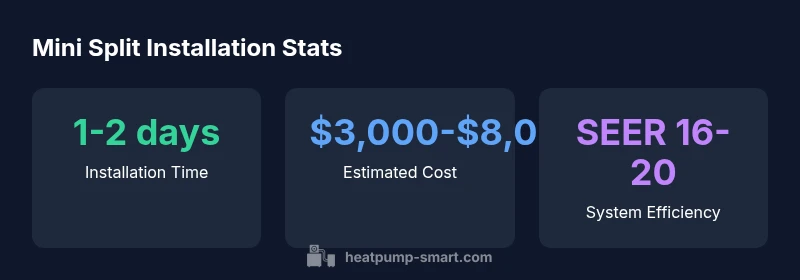
For homeowners researching "mini split heat pump installation near me", expect a multi-step process: verify zoning and electrical capacity, choose between single-zone or multi-zone systems, and obtain at least 3 quotes. Typical installs take 1–2 days per unit, with total project costs ranging roughly from $3,000 to $8,000 depending on capacity, indoor unit count, and installation complexity. Always confirm permitting requirements with local authorities before work begins.
Why local installation decisions matter
When you search for a local service for a mini split heat pump installation near you, the quality of the install hinges on local conditions. Zoning rules, electrical capacity, and climate all influence system sizing and permitting. According to Heatpump Smart, engaging a locally licensed installer improves compliance with local codes, ensures appropriate outdoor-unit placement, and minimizes travel-related delays. A nearby installer is also more likely to offer timely site visits, quicker service after installation, and better post-install support. In practice, you’ll find that a local approach reduces scheduling friction and creates smoother communication throughout the project, from quote to final commissioning. The Heatpump Smart team recommends starting with a neighborhood pros and cons review to surface region-specific constraints such as winter temperature performance and building envelope considerations.
Sizing and load considerations for mini splits
Sizing a mini split correctly is critical for comfort and efficiency. Oversizing leads to short cycling, humidity control issues, and higher upfront costs; undersizing results in inadequate heating or cooling. A proper load calculation should consider local climate, insulation levels, window area, occupancy, and existing ductwork (if any). Heatpump Smart analysis highlights that even single-zone units must be matched to the room’s thermal characteristics, while multi-zone systems require careful zoning to balance airflow and temperature consistency across spaces. In practice, technicians evaluate room-by-room loads, then propose either a single-zone or multi-zone configuration that minimizes energy waste while delivering reliable comfort year-round.
Single-zone vs multi-zone mini splits: when each makes sense
Single-zone mini splits are compact, cost-effective, and ideal for small homes or renovations where only one area needs climate control. Multi-zone systems offer greater flexibility, allowing several rooms to be heated or cooled independently yet share a single outdoor condenser. The decision depends on layout, desired comfort levels, and budget. Heatpump Smart notes that multi-zone installations can deliver meaningful energy savings in larger homes with diverse occupancy patterns, but they require more complex refrigerant routing and electrical work. A professional assessment helps determine if a single, compact unit suffices or if a multi-zone setup is the wiser long-term choice.
The installation process: step-by-step
A typical mini split installation involves: 1) assessment and permit planning; 2) mounting the indoor wall unit and bracket; 3) installing the outdoor condenser and expanding the line-set; 4) running refrigerant tubing, condensate drain, and electrical wiring; 5) vacuuming and charging the refrigerant; 6) testing for leaks, temperature performance, and system controls; 7) commissioning and client walkthrough. Skilled installers handle all refrigerant handling and electrical connections in compliance with safety standards. Expect clean work, minimal disruption, and clear documentation for warranty and service after the install.
Placement and efficiency: best practices for comfort
Placement affects both comfort and efficiency. Indoor units should be placed on walls with clear airflow paths, avoiding direct airflow on occupants. Ceiling height, room size, and furniture layout influence optimal placement. Outdoor units require proper clearance for airflow, reduced exposure to debris, and quiet operation nearby bedrooms or living spaces. Heatpump Smart emphasizes using thermostatic controls and zoning to optimize run-time, avoiding overlaps where multiple indoor units fight for control. A thoughtful layout reduces energy use and enhances long-term satisfaction.
Cost ranges, permits, and financing options
Project costs vary with unit capacity, number of indoor heads, and installation complexity. Permits may add time and fees, particularly in urban areas or for homes with existing electrical upgrades. Financing options, rebates, and utility incentives can offset upfront costs. The Heatpump Smart analysis suggests requesting multiple quotes that itemize equipment, installation, permits, and warranty terms. When evaluating offers, consider the total installed cost, expected energy savings, warranty inclusions, and post-install service commitments. A well-structured plan helps prevent scope creep and surprises at project close.
Maintenance, warranties, and long-term upkeep
Once installed, a mini split system requires regular maintenance to sustain efficiency. Clean or replace filters monthly during peak seasons, inspect condensate drainage, and schedule annual professional servicing to check refrigerant levels, electrical connections, and coil cleanliness. Proper maintenance extends the system’s life and preserves performance. Heatpump Smart notes that manufacturers typically offer warranties on components and the installation; read coverage carefully and ensure service access for the life of the system. Proactive maintenance reduces the risk of breakdowns and keeps energy costs predictable.
Common pitfalls and how to avoid them
Common pitfalls include underestimating electrical requirements, improper line-set routing, and failing to seal the installation area against outdoor weather. A rushed job can lead to refrigerant leaks or poor performance. To avoid these issues, hire a licensed installer who follows best practices for your climate, provides a detailed scope, and conducts a thorough post-install test. Ask for references, check licensing, and confirm that the installer will handle permits, inspections, and any required service calls post-install. Heatpump Smart recommends asking for a written commissioning report and a maintenance plan for ongoing performance.
Conclusion and next steps
A well-planned mini split installation near you offers reliable comfort, energy savings, and improved home value. Start with a professional assessment, clarify scope and costs, and confirm permit and warranty details before signing any contract. From there, you can confidently move through design, installation, and commissioning. Heatpump Smart’s team suggests documenting energy-saving goals and maintaining a simple log of seasonal maintenance tasks to maximize the system’s benefits over its lifespan.
Comparison of mini-split system types and typical installed cost ranges
| System Type | Typical Capacity (k BTU/h) | Pros | Cons | Estimated Installed Cost Range |
|---|---|---|---|---|
| Single-zone mini-split | 9,000–18,000 | Compact, easy to install | Limited coverage, best for small spaces | $3,000–$6,500 |
| Multi-zone mini-split | 18,000–60,000 | Supports multiple rooms | Higher upfront cost | $6,000–$12,000 |
| Ductless mini-split alternative | Varies | Good airflow control | Potentially more invasive install | $5,000–$15,000 |
Your Questions Answered
Do I need permits for mini split installation near me?
Yes. Most jurisdictions require permits for electrical work and refrigerant piping. A licensed installer will pull permits, coordinate inspections, and ensure compliance with building codes. This reduces compliance risk and protects warranty.
Yes, permits are typically required for electrical and refrigerant work, and licensed installers will handle the process for you.
Can I install a mini split myself?
DIY installation is not recommended. Handling refrigerant, electrical wiring, and outdoor condenser mounting requires licenses and training. Improper installation can void warranties and create safety risks.
It's generally not a good idea to install a mini split yourself; professionals are needed for safety and warranty reasons.
How long does installation typically take?
Most single-zone installs take 1–2 days per unit, depending on line-set routing and electrical work. Multi-zone systems can require more time due to additional indoor units and sensor placement.
Expect one to two days per unit, depending on complexity and zoning.
What factors affect installation cost?
Capacity needs, number of indoor heads, line-set length, mounting challenges, and permit fees all influence cost. Higher-efficiency models or complex layouts typically add to the price.
Costs depend on size, the number of indoor units, and any required permits or special mounting work.
What maintenance does a mini split require?
Clean or replace filters monthly during peak seasons, ensure drain lines are clear, and schedule annual professional service to check refrigerant levels and coil cleanliness.
Clean the filters monthly and have a yearly professional check.
How long can I expect the system to last?
With regular maintenance, most mini splits last about 12–15 years, though some components may require replacement sooner depending on climate and usage.
Expect about 12 to 15 years with proper care.
“A properly sized and installed mini split delivers consistent comfort and meaningful energy savings when installed by a licensed technician and commissioned correctly.”
Top Takeaways
- Plan early: obtain multiple quotes and verify permits.
- Choose sizing carefully to avoid comfort and efficiency issues.
- Single-zone units are for small spaces; multi-zone suits larger homes.
- Expect 1–2 days per unit; costs vary by region and complexity.
- Prioritize professional installation and ongoing maintenance.