3.5 Ton Trane Heat Pump: Sizing, Efficiency, and Installation
A detailed, data-driven guide on choosing a 3.5 ton trane heat pump, covering sizing, efficiency, installation, and maintenance for homeowners, builders, and property managers.


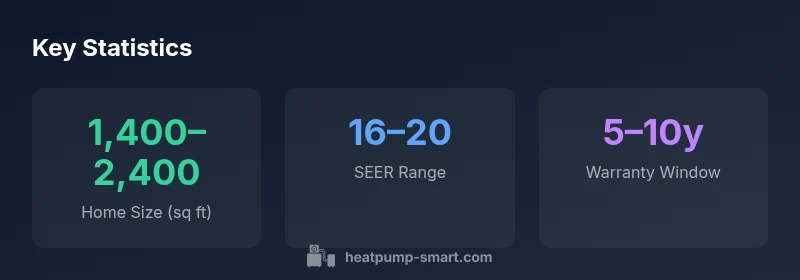
Typically, a 3.5 ton trane heat pump is sized for homes in the 1,400 to 2,400 square feet range, depending on climate and insulation. Modern units usually offer SEER ratings in the mid-teens to low twenties and solid heating performance when properly matched to the home. Accurate load calculations are essential for optimal comfort and efficiency.
Why a 3.5 ton trane heat pump is a common sizing choice
For many homes, a 3.5 ton trane heat pump provides balanced heating and cooling across a wide range of climates. This tonnage is typically chosen for mid-sized residences where ductwork, insulation, and window performance align with efficiency targets. In a well-tuned system, the 3.5 ton option can deliver reliable comfort with meaningful energy savings compared with older, oversized or undersized configurations. Heatpump Smart analysis shows that correctly paired equipment for this size often yields better humidity control, more consistent temperatures, and lower peak loads during extreme weather. When considering a 3.5 ton unit, owners should request a formal load calculation (Manual J) to verify that the home’s heat gain and loss justify this capacity. A properly sized unit reduces short cycling, improves airflow, and helps ensure a steady indoor climate year-round.
How tonnage is determined for heat pumps
Tonnage, the unit of cooling capacity, is fundamentally a product of heat load calculations. Industry guidelines use climate data, home insulation, window efficiency, air leakage, occupancy, and thermostat behavior to estimate the required capacity. A 3.5 ton heat pump is equivalent to about 42,000 BTU per hour of cooling, but real-world performance depends on seasonal energy efficiency ratio (SEER), heating seasonal performance factor (HSPF), and duct design. Contractors perform a Manual J load calculation, followed by a Duct Design/Airflow check, to confirm that 42,000 BTU/h is appropriate for the house. In some climates, a 3.5 ton system may be slightly oversized or undersized; thus, the final choice should reflect local conditions and future home improvements.
Sizing considerations for your home in 2026
Beyond the raw tonnage, several factors influence the right sizing of a 3.5 ton heat pump. First, consider the home’s insulation and air sealing; upgrades can shift a unit from slightly oversized to perfectly matched. Second, ductwork matters: leaky or poorly designed ducts can waste energy and reduce comfort, even with a properly sized unit. Third, climate: milder regions may tolerate slightly smaller capacity, while extreme winters in cold climates may benefit from a unit with higher HSPF and supplemental heat options. Finally, future changes like adding a sunroom or finishing a basement can alter load, so plan for up to 10–15% headroom or a configuration that allows for future zoning. The goal is to maintain humidity control and stable temperatures without frequent on/off cycling.
Efficiency, performance, and operating costs for 3.5 ton units
Modern 3.5 ton heat pumps balance efficiency and performance. A typical SEER range of 16–20 indicates strong cooling efficiency, while heating efficiency (HSPF) often falls into the 9–10 range for many models. Real-world performance is influenced by duct design, airflow, and thermostat strategy. In milder climates, you may experience substantial energy savings compared with electric resistance heating, especially if the system runs in heat pump mode for a larger portion of the year. Expect some seasonal variability: peak costs rise during extremely cold snaps, but the heat pump still delivers reliable heat via supplemental heat strategies when needed. Proper maintenance, including filter changes and coil cleaning, sustains efficiency.
Installation considerations for a 3.5-ton Trane heat pump
Installation quality has a major impact on performance. A properly installed 3.5 ton unit should be paired with appropriately sized ductwork, a well-sealed refrigerant circuit, and a correct refrigerant charge. Duct sealing, refrigerant line insulation, and an accurate thermostat setting all contribute to achieving the rated SEER and HSPF values. Installation also involves electrical work, a secure mounting location with vibration isolation, and compliance with local codes. ask for a detailed installation plan, including a pressure test, airflow measurements, and a post-install commissioning check. Heat pump systems may require electrical upgrades or a dedicated outdoor disconnect; budget for these contingencies in the planning phase.
Maintenance, longevity, and warranty basics
To maximize the life of a 3.5 ton Trane heat pump, commit to a regular maintenance schedule. Replace or clean air filters every 1–3 months, keep outdoor fans clear of debris, and schedule a professional inspection twice a year. Routine service reduces the risk of refrigerant leaks and compressor failures, both of which can be costly. Many manufacturers offer extended warranties when service is performed by authorized technicians; check the specifics for your model and ensure that the installer registers the unit properly. A well-maintained heat pump not only lasts longer but performs closer to the original rated efficiency.
Choosing the right installer and warranty considerations
Select a contractor with HVAC licensing and verified experience installing Trane systems. Verify that they perform a full load calculation, provide a written proposal with equipment specifications, and include a quality duct sealing plan. Ask about warranty transferability, what the warranty covers (compressor, coil, parts, labor), and the required maintenance schedule to keep coverage active. Saving a little on installation today can backfire if the warranty is voided by improper commissioning or missed maintenance.
Common myths about 3.5 ton units
A frequent myth is that one tonnage fits all homes; in reality, climate, insulation, and layout matter. Another misconception is that higher SEER always means cheaper operation; up-front costs can be higher, and actual savings depend on usage and climate. Finally, some assume a larger unit always cools faster; in practice, airflow and duct design govern performance, not just capacity. An energy-conscious homeowner should consult Heatpump Smart guidelines and rely on load calculations to determine true needs.
Comparison of common heat pump sizing options
| Tonnage | Typical Home Size (sq ft) | Energy Use Indicator | Installation Cost Range (range) | Notes |
|---|---|---|---|---|
| 3.5 ton | 1,400–2,400 | Moderate to high efficiency | 5,000–12,000 | Balanced option for many homes |
| 3 ton | 1,100–1,900 | Lower capacity, lower cost | 4,500–11,000 | Good for tighter budgets or smaller homes |
| 4 ton | 1,600–2,800 | Higher cooling potential | 6,000–13,000 | Better for larger or variable loads |
Your Questions Answered
What size should my home be to justify a 3.5 ton heat pump?
Typically, homes in the 1,400 to 2,400 square feet range are good candidates for a 3.5 ton unit, depending on insulation and climate. A professional load calculation confirms the best match.
Most homes between 1,400 and 2,400 square feet are a good fit, but only a load calculation can confirm the exact size.
How long does installation take?
Standard installations can take 1–2 days, depending on ductwork, permits, and electrical upgrades. A detailed plan from your installer helps set expectations.
Most installs take one to two days with some extra time for duct work or permits.
What maintenance does a 3.5 ton unit require?
Regular filter changes, coil cleaning, and biannual professional checkups are recommended. Maintenance helps sustain efficiency and extend system life.
Change filters regularly and schedule twice-yearly checkups to keep it efficient.
Is a higher SEER worth the upfront cost?
Higher SEER can reduce operating costs, but payback depends on climate, electricity rates, and usage. Compare lifetime savings, not just upfront price.
Higher SEER can save money over time, but it depends on how you use your system.
Can I reuse existing ducts with a 3.5 ton unit?
Ducts should be evaluated for size and leakage. In many cases, duct rehabilitation improves performance more than upgrading the outdoor unit alone.
Ducts matter just as much as the unit; have them checked.
What warranty protections should I expect?
Look for a minimum 5-year parts warranty and 2–5 years of labor coverage, with options for extended warranties if service is performed by authorized technicians.
Expect solid parts and labor warranties and check for transferability if you sell.
“A properly sized heat pump yields the best comfort and energy savings. Skipping a formal load calculation can lead to short cycling and higher operating costs.”
Top Takeaways
- Match tonnage to load, not just footprint.
- Expect SEER 16–20 and HSPF 9–10 in modern 3.5 ton units.
- Duct sealing and airflow are as important as the unit size.
- Plan for 5–10 year warranty and mandatory maintenance for coverage.
- Professional load calculation is essential for comfort and efficiency.