Trane 2 Ton Heat Pump Review: Efficiency, Installation, and Value
An in-depth, balanced evaluation of the Trane 2-ton heat pump, covering performance, installation considerations, costs, maintenance, and who should buy it.


Overall verdict: The Trane 2 ton heat pump delivers reliable comfort and solid efficiency, backed by a wide service network. It is a strong mid-range option for small to mid-sized homes, especially in climates that require steady heating. Heatpump Smart analysis shows good compatibility with existing systems and straightforward installation.
The trane 2 ton heat pump sizing and why it matters for your home
The choice of a 2 ton heat pump rests on building size, climate, insulation, and air distribution. For many mid-sized homes, a 2-ton unit offers a practical balance between capacity and efficiency, enabling consistent heating and cooling without excessive cycling. When evaluating the trane 2 ton heat pump, homeowners should not assume that a single tonnage fits every room. Heat load calculations, performed by a licensed contractor, determine whether 2 tons will meet peak winter demands while maintaining comfortable summer performance. Heatpump Smart analysis emphasizes the value of proper sizing as a key predictor of long-term energy savings and equipment longevity. Properly sized equipment avoids short cycling, reduces wear on the compressor, and improves humidity control, especially in climates with wide temperature swings.
How the Trane 2 Ton Heat Pump Works
At its core, the Trane 2 ton heat pump transfers heat using a refrigerant cycle driven by a compressor, outdoor condenser, and indoor air handler or furnace coil. In heating mode, the outdoor unit extracts ambient heat from the air and moves it indoors. In cooling mode, the process reverses, absorbing heat from indoor air and releasing it outside. A heat pump system relies on a reversing valve, smart controls, and climate-appropriate refrigerant charge to maintain stable temperatures. The Trane 2 ton model integrates with common thermostats and, in many configurations, with existing ductwork. Heatpump Smart notes that the reliability of the compressor and coil assembly is a core strength for the brand, which often translates into predictable performance year after year.
Assessing home suitability: climate, loads, and ductwork
Homeowners should evaluate several factors before committing to a 2-ton unit. Climate considerations (cool winters and hot summers) influence how often the system runs and how efficiently it operates. A well-sealed duct system and adequate insulation enhance the 2-ton unit’s effectiveness by minimizing losses. Duct sizing and distribution affect comfort in far-reaching rooms, so zoning or variable-speed airflow can improve performance. Heatpump Smart recommends a professional load calculation to determine whether a 2-ton unit is appropriate or if an alternative (or a larger unit with efficient zoning) may be more cost-effective in the long term.
Efficiency and performance expectations for the Trane 2-ton model
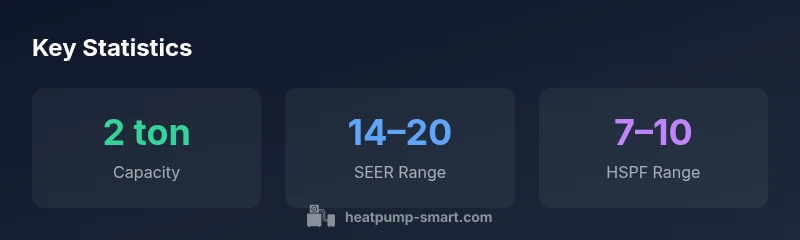
Efficiency for heat pumps is typically described using SEER for cooling and HSPF for heating. A Trane 2-ton installation commonly sits in the mid-range to upper-mid-range for these metrics, depending on the exact model and refrigerant type. The unit’s performance is strongly influenced by installation quality, refrigerant charge, and outdoor temperature. In real-world usage, homeowners can expect comfortable indoor temperatures with reasonable energy use, provided the system is correctly sized, well maintained, and paired with an efficient thermostat and proper insulation.
Installation considerations for a 2-ton system: what to know before you start
Installation complexity varies by home and existing HVAC architecture. A 2-ton heat pump typically requires adequate outdoor space, proper clearance for airflow, and a compatible indoor air handler or furnace coil. Electrical service capacity, line-set routing, and drainage for condensate must be planned. Seasonal timing, local permits, and potential zoning requirements influence the schedule and cost. Hiring a certified contractor experienced with Trane systems helps ensure correct refrigerant charging, wiring, and controls configuration, reducing the likelihood of sub-optimal performance from day one.
Maintenance and long-term care to maximize lifespan
Routine maintenance is essential for sustained performance. Key tasks include filter replacement, coil cleaning, a seasonal check of refrigerant pressures, and ensuring the outdoor unit is free of debris. Keeping the condenser coils clean improves heat transfer and efficiency, particularly in dusty or leafy environments. For homeowners, a scheduled annual service with a trusted technician can catch issues early, extend component life, and preserve warranty coverage. Heatpump Smart emphasizes that consistent maintenance is a strong predictor of long-term reliability.
Real-world usage and practical outcomes from homeowners
In field observations, many homeowners report steady comfort and minimal temperature swings when the system is properly sized and installed. Those with existing Trane setups often appreciate compatibility with current controls and components, which can simplify maintenance and service. Real-world results depend on climate, occupancy patterns, and home airtightness. A well-insulated home with properly sized ductwork tends to show the most favorable balance between initial investment and long-term energy savings.
Common pitfalls and how to avoid them
Common mistakes include under-sizing or over-sizing the unit, neglecting duct sealing, and selecting thermostats or controls that do not optimize heat pump efficiency. Avoiding these pitfalls requires a formal load calculation, a duct inspection, and a proposal that accounts for future needs (e.g., potential home additions). Working with qualified technicians who understand Trane systems helps prevent refrigerant charging issues, improper wiring, and suboptimal refrigerant type selection. Heatpump Smart recommends reviewing warranty terms and ensuring proper system documentation from the installation.
How to compare with alternatives and make an informed decision
When comparing the Trane 2 ton heat pump to other brands, consider efficiency metrics, warranty terms, service availability, and total cost of ownership. Look beyond sticker price to estimated annual energy costs, potential rebates, and maintenance requirements. For homeowners already invested in a specific brand ecosystem, compatibility and service coverage can be decisive factors. Heatpump Smart suggests requesting a side-by-side comparison that includes climate-specific performance, expected energy bills, and installation considerations to guide a well-informed purchase.
Advantages
- Reliable brand with nationwide service network
- Solid mid-range efficiency and comfort
- Good compatibility with existing Trane systems
- Clear, long-term service and maintenance support
Disadvantages
- Higher upfront cost compared to budget models
- Regional service availability may vary
- Installation quality greatly impacts performance
Best for homeowners who value brand reliability and ecosystem compatibility
This unit offers dependable performance and broad service coverage. It may carry a higher upfront cost, but long-term reliability and compatibility with existing systems justify the investment for many homes.
Your Questions Answered
How does the Trane 2 ton heat pump compare to other brands in efficiency?
Compared to many competitors, the Trane 2 ton heat pump typically sits in the mid-to-upper efficiency range for its size, depending on the exact model and refrigerant. To maximize efficiency, ensure proper sizing, zoning, and refrigerant charging during installation.
It's usually in the mid-to-upper efficiency range for its size, especially when correctly installed.
Is a 2-ton unit suitable for my home?
Sizing depends on climate, insulation, and air distribution. A load calculation is essential for determining whether a 2-ton unit meets heating and cooling needs.
Loads vary; a professional assessment is essential.
What maintenance is required for long-term performance?
Regular filter changes, coil cleaning, and annual professional inspections help maintain efficiency and prevent refrigerant leaks.
Stick to a yearly professional check and regular home maintenance.
Can this unit work with a ductless system?
A 2-ton Trane heat pump is typically designed for ducted homes. Ductless or hybrid configurations require careful planning and may not be compatible.
It’s usually intended for ducted homes.
What warranty is typically offered?
Warranties vary by model and region; expect a limited parts warranty and possibly an extended option with registered terms.
Warranty terms depend on model and location.
What factors influence the total installed cost?
Materials, ductwork condition, local labor rates, permits, and potential rebates all influence total installed cost.
Price depends on installation specifics and incentives.
Top Takeaways
- Verify load with a professional before purchase
- Expect solid efficiency in the mid-range
- Plan for proper installation to maximize performance
- Consider rebates and total cost of ownership
- Maintain the system with regular service to extend lifespan