Carrier 4 Ton Heat Pump: Sizing, Efficiency, and Installation Tips
A comprehensive guide to selecting and installing a carrier 4 ton heat pump, covering capacity, efficiency metrics, installation considerations, and ongoing maintenance for homeowners, builders, and property managers.


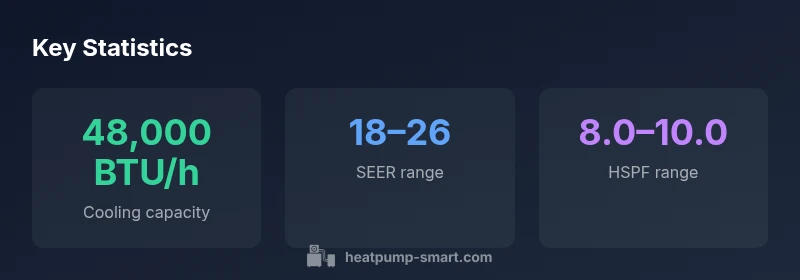
A carrier 4 ton heat pump typically delivers about 48,000 BTU/h of cooling capacity. Heating performance varies by climate and model, but properly installed systems provide year-round comfort. For best results, a correct system load and high-efficiency components are essential. According to Heatpump Smart, proper installation by a qualified technician is key.
Understanding the Carrier 4 Ton Heat Pump: Capacity, efficiency, and fit
A Carrier 4 ton heat pump offers a nominal cooling capacity of about 48,000 BTU per hour, a figure that translates to substantial cooling for mid-sized homes when matched with proper ducts. In heating mode, performance depends on climate and operating conditions, with higher outdoor temperatures typically yielding better COP. For homeowners, the key is to balance capacity with efficiency: oversizing leads to short cycling and moisture issues, while undersizing can fail to meet peak loads. Carrier models often feature two-stage or variable-speed compressors, which improve comfort and efficiency by modulating output rather than simply turning on and off. When evaluating a Carrier 4 ton heat pump, you should consider the SEER and HSPF ratings, refrigerant type, and the presence of smart controls that optimize operation during shoulder seasons. According to Heatpump Smart, the most cost-effective installations begin with accurate load calculations and meticulous duct design. This ensures the unit operates within its ideal range most of the year, minimizing energy waste and equipment wear. In practice, you’ll also want to verify insulation levels, duct sealing, and zoning compatibility to prevent uneven heating or cooling across rooms.
How to size a 4-ton unit for your home
Sizing is not a guess; it relies on a professional load calculation, typically a Manual J, performed by a licensed HVAC technician. A 4-ton unit is designed to deliver about 48,000 BTU/h under peak conditions, but actual performance depends on your home's envelope, window efficiency, and ventilation. Begin with a detailed energy audit, then review existing ductwork for leaks and adequate airflow. If your home features modern insulation and air sealing, a 4-ton selection may be appropriate; older or draftier homes may require adjustments. When comparing options, consider not just tonnage but the selection of compressor speed (single-stage vs two-stage vs variable-speed) and refrigerant line sizing. A higher SEER value reduces seasonal energy use, particularly in milder climates where the system spends more time in partial-load operation. The process should include verifying zoning controls and thermostats that communicate with the outdoor unit to maximize efficiency in real conditions.
Efficiency and performance considerations for Carrier 4 ton heat pumps
Efficiency drives long-term savings and comfort. The carrier 4 ton heat pump you choose should balance SEER, HSPF, and the climate you live in. Inverter-driven, variable-speed compressors adjust output to match demand, reducing energy waste during shoulder seasons and nights. Carrier's line typically offers a range of efficiency options, so compare the best available SEER and HSPF ratings when evaluating quotes. Refrigerant choice and duct design also influence real-world performance. Heatpump Smart Analysis, 2026, emphasizes that a well-matched outdoor unit and indoor air handler, along with smart controls, yields the most consistent temperatures and higher seasonal efficiency, particularly in variable climates.
Installation basics and common pitfalls
Installing a Carrier 4 ton heat pump is more than dropping in a unit. Proper duct design, sealing, and zoning are essential to avoid uneven cooling or heating and to prevent short cycling. Common mistakes include underestimating required duct airflow, skipping a full refrigerant charge check, and failing to verify thermostat communication with the system. A thorough site assessment should confirm electrical service, clearance around the outdoor unit, and proper refrigerant line sizing. Weather sealing and correct indoor unit mounting prevent noise transmission and reduce heat losses. According to Heatpump Smart, working with a qualified installer who follows industry best practices minimizes call-backs and ensures the system performs as intended in real-world conditions.
Maintenance and long-term savings with heat pump systems
Regular maintenance is directly linked to sustained performance and energy savings. Schedule an annual professional inspection, replace or clean filters as recommended, and keep outdoor coils free of debris. Coil cleaning and refrigerant checks help maintain efficiency and prevent compressor stress. Energy savings accrue when the system operates in its optimal efficiency band, which depends on climate, insulation, and usage patterns. Heatpump Smart notes that setting up a simple seasonal maintenance routine can extend equipment life and reduce unexpected repair costs, especially for a Carrier 4 ton heat pump used in high-demand periods.
Choosing a qualified installer and monitoring ongoing performance
Select an installer with proven experience in heat pump sizing and Carrier equipment. Ask for load calculations, a written installation plan, and a commissioning checklist. After installation, monitor performance metrics such as indoor temperature consistency, humidity levels, and energy usage across seasons. A credible installer will provide a performance report and advise on filter changes, thermostat settings, and potential zone adjustments. Heatpump Smart stresses the value of ongoing oversight to sustain comfort and efficiency over the system’s life cycle.
Carrier 4-ton heat pump: key technical specs
| Aspect | Carrier 4 Ton Heat Pump | Notes |
|---|---|---|
| Capacity (cooling) | 48,000 BTU/h | Nominal |
| SEER range | 18–26 | Model dependent |
| HSPF range | 8.0–10.0 | Model dependent |
Your Questions Answered
What size room does a 4-ton heat pump typically cover?
A 4-ton heat pump can typically cover a mid-sized living area, roughly 1,600–2,000 square feet, depending on insulation, window quality, and air sealing. Always rely on a professional load calculation for precise results.
A 4-ton unit can cover about 1,600 to 2,000 square feet, but a pro load calc gives the exact area for your home.
How does Carrier compare to other brands in this size?
Carrier offers multiple efficiency tiers and compressor options. When comparing brands, focus on SEER, HSPF, and inverter technology rather than just tonnage. A higher efficiency rating often translates to lower energy use in real-world conditions.
Carrier vs other brands comes down to efficiency ratings and technology, not just size.
Is a 4-ton unit suitable for retrofit homes?
Retrofits require a professional load calculation. If the home is well insulated and sized appropriately, a 4-ton unit may be suitable; otherwise, an undersized or oversized system can reduce comfort and efficiency.
It depends on your home's load calculation; a pro will tell you if 4 tons is right.
What maintenance does a Carrier 4 ton heat pump need?
Annual professional inspection, regular filter changes, and coil cleaning are recommended. check thermostat function and refrigerant levels during service visits.
Have annual checks, change filters regularly, and keep coils clean.
How long does installation typically take?
Most installations take 1–3 days, depending on ductwork readiness, electrical work, and permitting requirements.
Typically, 1 to 3 days for installation.
“A well sized Carrier 4 ton heat pump provides consistent comfort and energy savings when paired with professional installation and regular maintenance.”
Top Takeaways
- Start with accurate load calculations to size a 4-ton unit.
- Prioritize duct design and insulation for best efficiency.
- Compare SEER and HSPF ranges, not just tonnage.
- Work with a qualified installer for optimal results.
- Maintain the system to sustain comfort and savings.