How Difficult Is Installing a Heat Pump? A Homeowner Guide
Discover the factors that affect heat pump installation difficulty, practical planning steps, and when to hire a pro. Heatpump Smart breaks down site readiness, ductwork, electricals, permits, and contractor selection for a smoother, energy-saving upgrade.


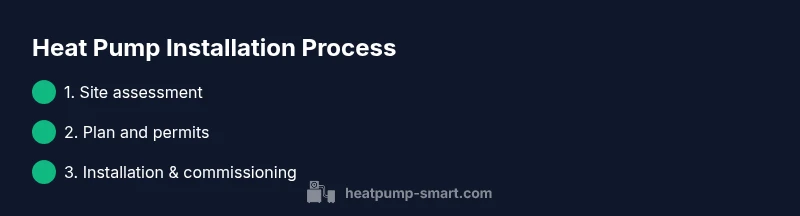
The difficulty of installing a heat pump depends on your home's layout, existing ductwork, and electrical capacity. In general, most homeowners will face a challenging job that benefits from a licensed installer. According to Heatpump Smart, plan for site assessments, potential electrical upgrades, and permit approvals; the project can span from a few days to a week depending on complexity.
What determines the difficulty of installing a heat pump
The difficulty hinges on three core factors: your home's current heating system, the existing building envelope, and the availability of electrical capacity. In homes with ductwork in good condition and a compatible electrical service, the transition to a heat pump is more straightforward. Conversely, houses with outdated ductwork, added zones, or limited electrical capacity require more planning and potential upgrades. According to Heatpump Smart, the degree of retrofit work—such as recalibrating thermostats, upgrading wiring, or adding a new outdoor pad—drives both time and expense. It's essential to distinguish between purely equipment swaps and full-system overhauls. A dedicated site assessment helps identify hidden challenges, including obstructions in crawl spaces, limited access for the outdoor unit, or vibration concerns that may necessitate mounting hardware. By outlining these factors early, homeowners, builders, and property managers can set realistic expectations and avoid surprises during the installation window.
Site readiness and building geometry
Preparing for a heat pump installation begins with a clear understanding of site readiness and the building's geometry. Homes with straightforward exterior access for the outdoor unit, ample space around equipment, and good drainage typically face fewer hurdles. In contrast, properties with limited outdoor clearance, sloped terrain, or multi-level layouts require careful planning to ensure proper clearances, airflow, and vibration control. The interior layout also matters: the indoor air handler should be placed where it can balance humidity and temperature with minimal duct runs. Heatpump Smart recommends creating a simple schematic that maps existing walls, joists, and potential obstruction points before ordering equipment. Architects and installers often use this diagram to verify that the proposed equipment can be installed without relocating major structural elements. Building energy performance—insulation levels, window efficiency, and air sealing—also influences how aggressively the system will need to operate. Addressing these factors early reduces last-minute changes and helps achieve the expected comfort and efficiency gains.
Ductwork condition and airflow considerations
Ductwork health is a major determinant of installation difficulty. Leaks, crush points, or poorly sealed joints can dramatically reduce efficiency and complicate retrofits. If existing ducts are undersized for the new heat pump or have lost their shape over time, installers may need to reconfigure runs or add smoothing dampers. In homes with forced-air systems, balancing airflow across zones is critical to avoid cold or hot spots. An inaccurate airflow assessment can lead to noisy operation or insufficient heating at peak demand. Heatpump Smart stresses the value of a professional air-balancing test and, when feasible, duct cleaning before new equipment is installed. For ductless mini-split configurations, a different set of challenges applies, such as indoor unit placement and avoiding obstruction of ceiling space. In all cases, the goal is to ensure consistent air distribution with minimal pressure loss, which directly affects efficiency, comfort, and equipment longevity.
Equipment choice: air-source vs geothermal
Air-source heat pumps are common and generally easier to install in existing homes, while geothermal systems require extensive ground loops or access to a well. The installation difficulty for geothermal is typically higher due to drilling, trenching, and underground work. Heatpump Smart notes that climate, soil conditions, and available land influence the decision. Air-source units rely on outdoor compressors and indoor air handlers; they usually need ductwork and electrical upgrades. Geothermal systems may offer superior efficiency but demand professional design, borehole or trenching work, and often a larger initial investment. The choice also affects maintenance schedules, noise considerations, and space requirements. Understanding the pros and cons of each option helps homeowners align expectations with site realities and budget constraints.
Outdoor unit placement and weatherproofing
The outdoor unit placement affects installation difficulty more than most homeowners expect. Location should allow for adequate airflow, ease of maintenance, and minimal vibration transfer to the structure. Sloped terrain, snow buildup, or persistent shade can reduce performance and complicate mounting. Weatherproofing is essential: service clearances, drainage, electrical connections, and weather seals must be designed to withstand local climate conditions. Some sites require a concrete pad or vibration isolation mounts to reduce noise and movement. Heatpump Smart recommends evaluating access for service technicians and ensuring there is a safe pathway for refrigerant line sets. In multi-story homes, roof or balcony mounting may be necessary, which introduces fall risks and requires fall-protection planning. A well-chosen outdoor location improves long-term reliability and reduces service calls, while a poorly chosen spot can undermine efficiency and comfort.
Refrigerant piping, line sets, and indoor handling
Piping and line sets are critical to performance and installation difficulty. Longer runs, tight bends, or improper insulation can lead to energy loss and condensation problems. If the refrigerant charge is not correctly matched to the indoor and outdoor units, the system may underperform or require additional refrigerant work. Indoor handling includes selecting appropriate mounting heights, minimizing noise transfer, and ensuring proper drain connections. For heat-pump systems, refrigerant safety and leak prevention are paramount; technicians should use approved trays and condensate drains, and verify that all connections are leak-tested. In ducted systems, modifications to the plenums or trunk lines may be necessary to maintain airflow. Ductless mini-splits present different challenges, such as pipe routing through walls and ceiling cavities. In all scenarios, meticulous piping layout and sealing are critical to achieving reliable operation and energy savings.
Electrical headroom and panel upgrades
Electric service capacity is a primary driver of installation difficulty. A heat pump typically requires a dedicated circuit with appropriate breaker sizing, together with sufficient amperage to support peak loads. If the existing panel is near its limit, upgrading the service or adding a subpanel may be required, which involves municipal wiring codes and possible utility coordination. Wiring upgrades should also consider voltage drop, conduit routing, and ground fault protection where applicable. In some homes, legacy wiring or unsafe electrical installations will complicate the project and require a licensed electrician to replace or update components. The takeaway: plan for a qualified electrical assessment early in the process, since electrical constraints often dictate the scope, timeline, and cost of the installation. Heatpump Smart analysis shows electrical headroom is a common constraint that pushes projects toward more extensive retrofits.
Permits, codes, and inspections
Permitting is often the most underappreciated challenge in heat pump installations. Local codes may require mechanical permits, electrical permits, and energy-efficiency inspections. Failing to obtain the correct permits can delay commissioning or lead to fines. A licensed contractor typically handles permit applications and coordinates with inspectors, but homeowners can also verify requirements through the city or county building department. Code compliance covers refrigerant handling, electrical safety, clearance around the outdoor unit, and proper ventilation in some installations. If your project includes geothermal loops or boreholes, additional regulatory steps apply. Heatpump Smart recommends building a simple checklist of required permits, expected inspection milestones, and a plan for submitting documentation ahead of time to keep the project on schedule.
Contractor selection and project scoping
Selecting the right contractor is as important as choosing equipment. Look for installers with EPA certifications, local licensing, and a proven track record with heat pumps. Ask for references and a written scope of work detailing upfront costs, installation milestones, and post-installation support. A detailed proposal should include equipment specifications, ductwork changes, refrigerant charging procedures, electrical upgrades, and a clear timeline. Ask about warranties, service plans, and response times for maintenance or repairs. A thorough site visit helps confirm the scope and prevents scope creep. Heatpump Smart suggests comparing multiple quotes and validating that quotes include the same assumptions to avoid surprises later on.
DIY feasibility vs professional installation
For most homeowners, professional installation is recommended due to the technical complexity and safety considerations. While DIY might seem appealing for cost savings, heat pumps involve refrigerant handling, electrical work, and code compliance. Attempting a DIY install without proper training can create equipment damage, warranty issues, and safety risks for occupants. If you are determined to pursue some DIY tasks, limit yourself to non-pressurized tasks such as site inspection, equipment sizing validation, or pre-work paperwork under the supervision of a licensed technician. The key is to partner with a qualified installer who can perform the critical steps while you manage ancillary tasks like scheduling and coordination. Heatpump Smart emphasizes documenting all communications and maintaining a clear paper trail for permits and warranties.
Planning for timelines and budgeting strategies
Uncertainty around the scope of work typically drives longer timelines and higher budgets. Start with a site assessment, then outline potential upgrades (ductwork, electrical, permits). Create a phased plan to minimize disruption—particularly in occupied homes or managed properties. Budget for contingencies such as unforeseen duct repairs or electrical upgrades that were not evident during the initial assessment. Seek financing options or utility rebates that may be available and align expectations with utility company schedules. The goal is to balance comfort, efficiency, and total cost of ownership over the system’s lifetime. Heatpump Smart recommends building a transparent budget that includes installation, commissioning, and any follow-up service visits during the first year.
Final readiness check and commissioning
Before commissioning the heat pump, perform a final check of all major subsystems: refrigerant connections, electrical safety, thermostat wiring, and proper airflow. The commissioning process validates that the system operates as intended across heating and cooling modes and that safety controls function correctly. A thorough test should measure temperature outcomes in different rooms, verify humidity performance, and confirm that all safety lockouts engage as designed. Post-installation maintenance tasks include filter changes, coil cleaning, and scheduled inspections. Keep documentation from the installer on warranty coverage, expected service intervals, and emergency contact information. A well-executed commissioning ensures reliability and helps realize the energy savings expected from a properly sized heat pump.
Tools & Materials
- Digital multimeter(Verify electrical loads and voltages in panels and circuits.)
- Tape measure(Measure duct dimensions, unit clearances, and outdoor space.)
- Stud finder(Locate joists for mounting indoor units.)
- Infrared thermometer(Check return air temps and duct surface temperatures.)
- Ladder or scaffolding(Access outdoor unit and high indoor locations safely.)
- Screwdrivers (Phillips + flathead)(Disassemble/assemble panels and mounting hardware.)
- Cordless drill with bits(Drill mounting holes, fasten brackets, run wiring.)
- Safety gear (gloves, goggles)(Protect during electrical work and cutting.)
- Notepad and camera(Document conditions and take reference photos.)
- Condensate drain hose and tray(Prevent water damage from indoor unit.)
- Welding or leak-testing kit (for refrigerant work)(Only if trained professionals perform refrigerant service.)
Steps
Estimated time: 4-6 weeks
- 1
Perform a site assessment
Start with a thorough evaluation of the current heating system, ductwork, insulation, and outdoor space. Identify constraints like limited exterior access or crawl-space restrictions. This primary assessment sets the scope and helps you decide whether DIY tasks are feasible or you should hire a pro.
Tip: Bring a tape measure, camera, and note pad to capture measurements and constraints. - 2
Check electrical headroom
Review the main service panel capacity and available circuits to support a heat pump. Verify whether upgrades or a subpanel may be needed, and coordinate with a licensed electrician if you anticipate a service upgrade.
Tip: Have a rough load calculation ready for the electrician to speed up the evaluation. - 3
Evaluate ductwork and airflow
Inspect ducts for leaks, damage, and overall condition. If ducts are undersized or leaky, plan for sealing, repairing, or resizing to ensure balanced airflow and improved efficiency.
Tip: Document duct dimensions and any visible damage for quotes. - 4
Decide on heat pump type and indoor placement
Choose between air-source, ducted, or ductless options based on your home layout and climate. Decide indoor unit locations that minimize noise, maximize comfort, and reduce ductwork length.
Tip: Consider future room reconfigurations when selecting indoor unit locations. - 5
Plan permits and codes
Identify required mechanical and electrical permits, and schedule inspections. Understand local requirements to avoid delays at commissioning.
Tip: Create a permit checklist and set deadlines with your contractor. - 6
Get multiple quotes and compare scope
Request detailed proposals that cover equipment specs, ductwork changes, refrigerant handling, electrical upgrades, and a clear timeline. Compare apples-to-apples to avoid surprises.
Tip: Check warranty terms and post-installation service options in each quote. - 7
Decide on DIY vs professional scope
Balance potential savings with safety, warranty, and code compliance. Reserve critical steps to licensed professionals; delegate project management tasks to yourself if you have bandwidth.
Tip: Document all communications and preserve permits and warranties. - 8
Prepare for installation day
Clear work areas, protect floors, and ensure access for technicians. Provide utilities and a clear path for equipment delivery and wiring.
Tip: Prepare a temporary living plan if the installation disrupts heating for a day or two.
Your Questions Answered
How long does a typical heat pump installation take?
Most installations require planning and coordination; the process can span several days to a few weeks, depending on site readiness and permits. A preliminary site assessment helps set expectations and timelines.
Most installs take several days to a few weeks, based on readiness and permits.
Can I install a heat pump myself?
While some non-technical tasks are possible, refrigerant handling and electrical work require licensed professionals. DIY installations risk voided warranties and safety issues.
Refrigerant and electrical work should be done by licensed pros.
What factors most influence installation costs?
Key cost drivers include ductwork condition, electrical upgrades, permit requirements, and the chosen heat-pump type. Planning ahead with a contractor helps avoid unexpected expenses.
Ductwork, electrical, and permits drive most costs.
What permits might I need for installation?
Mechanical and electrical permits are common requirements. Some jurisdictions also require energy-efficiency inspections. A licensed installer typically handles applications.
Permits and inspections are typically required.
What are signs installation is too complex for DIY?
Significant electrical work, refrigerant handling, and complex ductwork modifications indicate you should hire a professional. Warranty and safety considerations also favor professional help.
If it involves refrigerants or major electrical work, hire a pro.
How should I choose a contractor?
Look for EPA certification, local licensing, references, and a detailed written scope. Compare multiple quotes and verify warranty and service terms.
Choose licensed, reputable installers with clear proposals.
Watch Video
Top Takeaways
- Assess site and electrical headroom early
- Duct integrity strongly influences performance
- Choose the right contractor with clear scope
- Permits and inspections are essential
- Commissioning ensures reliability and energy savings