How Hard Is It to Replace a Heat Pump? A Homeowner's Guide
Explore the realities of replacing a heat pump, including planning, sizing, permits, costs, and professional steps. Learn when to DIY, when to hire, and how to maximize efficiency and comfort in your home.


Replacing a heat pump is a major HVAC task that typically requires a licensed contractor. For most homes, the process involves proper sizing, refrigerant handling, electrical work, and permitting. The Heatpump Smart team notes that DIY replacement is not advised due to safety and code compliance; expect professional planning and installation to define cost and timeline.
Understanding the Challenge of Replacing a Heat Pump
Replacing a heat pump is not simply swapping one outdoor unit for another; it’s a multi-disciplinary project that touches size, refrigerant handling, electrical systems, ductwork, and building codes. In many homes, a successful replacement begins with a precise load calculation to determine the correct capacity and refrigerant charge. If you choose a unit that's undersized or oversized, you’ll see short cycling, uneven comfort, and higher energy bills. The Heatpump Smart team notes that the hardest part is aligning a new system’s capacity and refrigerant circuits with the home’s demand while ensuring safe, code-compliant installation. This means you’ll need accurate calculations, appropriate clearances, and coordination among equipment manufacturers, installers, and sometimes local permitting authorities. Skipping steps or taking shortcuts can compromise comfort, efficiency, and safety. The good news is that with professional planning and proper installation, you can upgrade to a more efficient heat pump that improves comfort and reduces running costs over time. This block explains the scope, constraints, and decision points you’ll face.
Key Factors Influencing Difficulty
Several levers determine how hard it is to replace a heat pump. First is sizing: the new unit must match your home’s cooling and heating load, not just the existing footprint. Second is ductwork: existing ducts may need resealing, repairs, or even reconnection to a different indoor air handler. Third is the electrical service: a new outdoor unit may require a larger disconnect or a higher-capacity circuit, which can trigger panel upgrades. Fourth is refrigerant handling: modern systems use environmentally friendly refrigerants under pressure; only licensed technicians should manage any refrigerant work. Fifth is site constraints: space for the outdoor unit, noise considerations, and weather protection all matter. Finally, permits and inspections may be required, which can add days to the timeline. Heatpump Smart analysis shows that getting these factors right at the planning stage reduces callbacks and ensures long-term reliability.
DIY vs Professional: Making the Right Call
Although some homeowners enjoy hands-on projects, replacing a heat pump is typically not a DIY-friendly task. Refrigerant handling, electrical connections, and system charging all carry safety and legal implications. In many regions, a licensed HVAC technician is required by law to evacuate and recharge refrigerant, and to verify electrical safety and performance. Even tasks that seem straightforward—like mounting the new unit or routing lines—benefit from professional experience, exacting codes, and the right tools. If your goal is best-in-class efficiency and warranty protection, you’ll want a qualified installer who can perform a load calculation, select an appropriate SEER/HSPF rating, and coordinate permits.
Sizing, Compatibility, and Equipment Needs
A successful replacement starts with accurate sizing and system compatibility. A professional will use a Manual J calculation, climate data, and home insulation to determine the right unit size. The new heat pump should match SEER and HSPF ratings your climate requires, while the outdoor unit must fit the available space with required clearances. The indoor air handler and ductwork should be compatible with the new outdoor model to maintain airflow and efficiency. In many cases, the line set length and refrigerant charge must be adjusted to the new unit, which is one reason this task is not reliably DIY-friendly. Plan for a thermostat that communicates with the new system and supports smart controls. The goal is a balanced system that delivers consistent comfort without oversizing.
Regulatory, Permitting, and Safety Considerations
Most jurisdictions require permits for new outdoor units and associated electrical work. Hiring a licensed contractor helps ensure that work complies with local codes, electrical standards, and refrigerant-handling rules. Safety gear, fall protection on rooftops or ladders, and proper lifting techniques reduce the risk of injury. If your home uses a dual-fuel arrangement or a heat pump with an integrated hot-water option, additional permits may apply. Your installer should verify outdoor clearances, noise restrictions, and drainage considerations. By factoring permitting into the project plan, you’ll avoid delays and ensure a compliant installation that stands the test of time.
A High-Level Replacement Process Overview
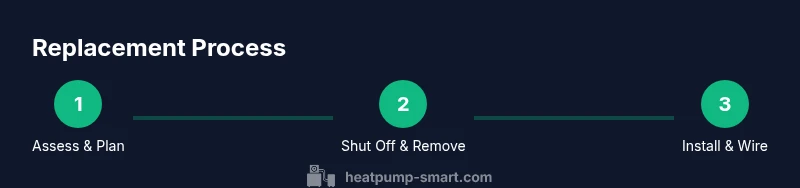
While every project is unique, the general process follows a consistent sequence. Step 1: confirm sizing and select equipment. Step 2: plan ductwork and outdoor location, including electrical service checks. Step 3: shut off power and prepare the site, following safety procedures. Step 4: disconnect and safely remove the old unit, documenting wiring diagrams and line-set routing. Step 5: install the new outdoor unit on a level surface with correct clearances, reconnect the line set, and prepare wiring. Step 6: rewire the thermostat and ensure control sequence matches the new equipment. Step 7: perform a professional refrigerant charge and test the system for temperature, airflow, and noise. Step 8: confirm permits and schedule a final inspection if required. The challenge is ensuring the new system is properly charged and balanced; this is where professional verification matters.
Common Pitfalls and How to Avoid Them
- Underestimating load: Skipping a proper Manual J can lead to an undersized or oversized system. Have a pro calculate the load.
- Inadequate ductwork: Leaks and poor returns kill efficiency; plan for duct sealing or replacement if needed.
- Poor location or clearances: Restricting airflow or increasing noise undermines performance.
- DIY refrigerant work: Do not attempt to recover or charge refrigerant yourself; this requires licensed equipment and training.
- Neglecting permits: Failing to secure permits can cause delays, penalties, or code violations.
- Inadequate electrical service: An old panel may need upgrade; plan for potential panel work. A careful pre-project plan minimizes callbacks.
Cost Considerations and Budgeting
Costs for replacing a heat pump vary widely based on unit size, efficiency, ductwork needs, and labor. A thorough quote should include equipment, installation, permits, and potential electrical upgrades. The Heatpump Smart team recommends treating this as a value project rather than a rush replacement: investing in a properly sized unit with updated ductwork, compatible thermostat, and smart controls pays off in energy savings and comfort. Seek multiple quotes, ask about available rebates, and plan for contingencies such as minor duct repairs or pad upgrades. While the initial outlay can be significant, the long-term operating costs and comfort improvements often justify the expense. If you’re financing, compare loan terms and potential incentives. In 2026, many homeowners see a meaningful return on investment when upgrading to a more efficient heat pump.
Tools & Materials
- Digital multimeter(to verify electrical circuits and voltage before connections)
- Non-contact voltage tester(to confirm power-off status before touching wires)
- Electrical conduit and outdoor-rated wiring(as per local codes; route from panel to outdoor unit)
- Wrench set and socket set(for mounting bolts and disconnects)
- Level, square, and measuring tape(ensure the unit sits level and aligned)
- Concrete mounting pad or vibration isolation pads(for outdoor unit stability and noise reduction)
- Cordless drill with appropriate bits(for mounting hardware and brackets)
- Personal protective equipment (gloves, safety glasses)(general safety)
Steps
Estimated time: 1-3 days
- 1
Assess feasibility and plan
Evaluate whether the current ductwork, electrical capacity, and space meet the new unit's requirements. Identify permits, timeline, and stakeholders, including any needed ductwork or panel upgrades. A clear plan reduces back-and-forth and prevents last-minute surprises.
Tip: Have a professional perform a load calculation and share a detailed plan before purchasing equipment. - 2
Shut off power and isolate outdoor unit
Turn off the main breaker and the outdoor disconnect. Use a non-contact tester to confirm there is no live voltage before you begin touching wires or disconnecting components.
Tip: Label circuits and take photos of the existing wiring to aid reassembly. - 3
Disconnect and remove the old outdoor unit
Carefully disconnect electrical connections and refrigerant lines, then unbolt and remove the unit. Do not attempt refrigerant removal yourself; coordinate with a licensed technician if needed.
Tip: Document wiring configurations for reference during the new install. - 4
Prepare location and install mounting pad
Clear the area, ensure a level mounting pad, and verify adequate airflow clearance. Address drainage and elevation to prevent water ingress and debris buildup.
Tip: Use a level during placement and secure with anti-vibration pads if advised by the manufacturer. - 5
Connect line set and refrigerant piping
Attach and seal the line set to the new outdoor unit and indoor coil as required. Note that refrigerant charging and handling should be performed by a licensed pro.
Tip: Avoid kinks in lines and check for leaks with approved leak detectors. - 6
Electrical connections and thermostat integration
Reconnect power and integrate the thermostat with the new system. Ensure wiring matches the control board and sequence, and verify compatible smart controls.
Tip: Double-check corrosion protection and weatherproof connections. - 7
Commissioning, testing, and permits
Run a full test: airflow, refrigerant charge (by licensed technician), temperatures, and noise. Confirm that any required permits are closed out with the inspector.
Tip: Schedule the final inspection promptly to avoid delays.
Your Questions Answered
Is replacing a heat pump a DIY-friendly task?
Generally not. Refrigerant handling and electrical work require licensing in most areas, and improper installation can compromise safety and efficiency. Consider hiring a licensed HVAC professional for the full replacement.
Replacing a heat pump is not a typical DIY project because refrigerant and electrical work require licensed technicians.
How long does a heat pump replacement take?
Most replacements take about 1 to 3 days, depending on site complexity, permitting, and ductwork needs.
Expect roughly one to three days for a typical replacement.
What costs are involved in replacing a heat pump?
Costs vary with unit size, efficiency, ductwork, and labor. Obtain multiple quotes to understand total scope and potential rebates.
Costs vary widely; get several quotes and check for rebates.
Do I need permits to replace a heat pump?
Yes. Permits are commonly required for electrical work and outdoor unit installation; your installer typically handles the permit process.
Yes, permits are usually required and handled by the installer.
What size heat pump do I need for my home?
A proper size uses a Manual J load calculation, climate data, and ductwork assessment. A professional helps ensure correct sizing for efficiency and comfort.
Sizing is technical; a pro will determine the right unit size.
Can I upgrade from a furnace to a heat pump during replacement?
Yes, but it may require duct and electrical upgrades and thermostat integration. Plan for potential changes in airflow and comfort strategy.
Yes, but expect some duct and electrical planning.
Watch Video
Top Takeaways
- Proper sizing is essential for efficiency and comfort.
- Refrigerant handling requires licensed professionals.
- Permits and code compliance protect safety and warranties.
- Plan for a multi-step project and potential duct upgrades.
- Choose a reputable installer for best long-term results.