Steps to Install a Heat Pump: A Homeowner's Guide
Learn the essential steps to install a heat pump, from sizing and permits to wiring and commissioning. This expert guide helps homeowners, builders, and managers achieve reliable comfort and energy savings.


This guide explains the steps to install a heat pump, covering planning, sizing, permits, electrical work, installation, and commissioning. It highlights when to hire pros and how to optimize efficiency. By following these steps, homeowners can safely achieve reliable comfort and energy savings.
Why install a heat pump and what to expect
A heat pump can deliver year‑round comfort with high efficiency, especially when paired with proper insulation and a well‑designed duct or hydro system. The Heatpump Smart team emphasizes that successful installation starts with clear goals: reliable heating in winter, cooling in summer, and energy savings over the life of the system. A properly sized heat pump also reduces peak electrical demand and can qualify for rebates in many regions. Expect some disruption during the installation window, and plan for a professional assessment to confirm system compatibility with your home’s electrical service, climate, and existing ductwork. After completion, a period of commissioning ensures all components operate as intended and that the system meets performance targets.
According to Heatpump Smart, homeowners who invest in correct sizing, high‑quality components, and meticulous commissioning typically enjoy the greatest long‑term comfort and energy savings. The goal is a balanced system that delivers constant, comfortable temperatures while minimizing energy use. This section sets the foundation for a methodical, safe, and economical installation process.
Planning and sizing: picking the right system
Choosing the right heat pump starts with a clear understanding of your home’s heating and cooling loads. A Manual J load calculation (conducted by a qualified professional) determines the correct size and capacity for your climate and home construction. Heatpump Smart analysis shows that an undersized unit cycles frequently and underperforms, while an oversized unit wastes energy and reduces comfort due to short cycling. When selecting models, look for high efficiency metrics such as SEER and HSPF, and consider whether you want a single‑stage, two‑stage, or variable‑speed compressor. In addition to climate and size, consider noise ratings, compatibility with existing thermostats, and potential future upgrades like solar or smart controls. This planning stage reduces the risk of later warranty issues and ensures smoother operation over the system’s life.
In practice, gather house plans, recent energy bills, window and door details, and a rough inventory of current equipment. Keep a list of preferred system capacities and comfort goals. Document environmental constraints (outdoor exposure, shade, and drainage) that could affect placement and performance. The goal of this phase is a precise specification that your installation team can follow for a reliable, efficient setup.
Site assessment and pre‑installation checklist
Before any equipment arrives, perform a site assessment to confirm feasibility and plan logistics. Check for adequate outdoor mounting space for the condenser, stable surface, and unobstructed airflow around the unit as recommended by manufacturers. Assess indoor space for the air handler or plenums, ductwork condition, and any required modifications to raise or relocate components. Verify electrical service capacity and panel space, and coordinate with a licensed electrician for any panel upgrades or new circuits. Review refrigerant line routing, condensation drainage, and plumbing considerations (if applicable). Create color‑coded diagrams labeling refrigerant routes, electrical connections, and control wiring. Finally, schedule the installation window to minimize disruption and align with utility rebates and permit processing timelines.
A thorough pre‑install checklist reduces surprises on install day and helps the team deliver results that match the planned performance targets.
Permits, codes, and budgeting considerations
Permitting and code compliance are critical parts of a safe, legal installation. Check local building codes and state licensing requirements for HVAC equipment installation and electrical work. Many jurisdictions require permits for heat pump installation, and some regions mandate refrigerant handling by certified technicians. Work with your contractor to assemble permit applications, mechanical and electrical drawings, and equipment specifications. Budget for the full lifecycle, including equipment cost, labor, ductwork modifications, electrical upgrades, and potential site improvements such as new pads or weatherproofing. Plan for contingencies in case line sets or refrigerant charges need adjustments after the initial charge—a common step during commissioning. Having a detailed budget and a clear permit path reduces delays and ensures the project stays on track.
Heatpump Smart’s guidance emphasizes early permit planning to avoid last‑minute holds that push installation costs upward. Always verify permit objectives with your installer and local authority before starting.
Tools, materials, and safety considerations
A safe, efficient installation depends on the right tools and a disciplined approach to safety. A typical kit includes a refrigerant gauge manifold, vacuum pump, manometer, torque wrench, and leak detector, plus standard hand tools for electrical work and pipe fitting. Keep a clean workspace, use dielectric grease on electrical terminations, and follow lockout/tagout procedures for any electrical work. Personal protective equipment (PPE) such as gloves, eye protection, and insulated boots reduces risk when handling refrigerant lines and electrical components. Ensure outdoor units are mounted on a solid pad with proper clearance and that condensate drainage is directed away from the building. Label all connections clearly and maintain a documented wiring diagram for future service. Consistent safety practices protect occupants and prevent costly mistakes during and after installation.
The installation workflow: overview and coordination
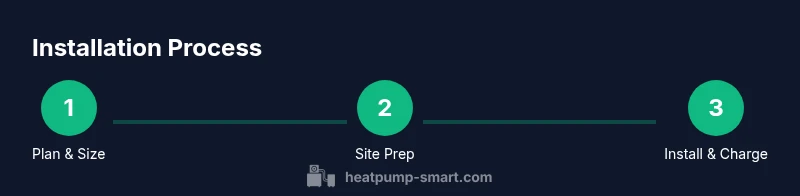
A heat pump installation follows a logical sequence that minimizes rework and speeds commissioning. Begin with site preparation and electrical preparations, then install the indoor and outdoor units, connect refrigerant lines and controls, evacuate the system, and perform a rigorous commissioning routine. Communication between the homeowner, the refrigeration technician, electrician, and inspector is essential to coordinate permits, scheduling, and test procedures. A well‑documented workflow helps identify responsibilities early and ensures that every step aligns with the manufacturer’s installation manual. Throughout the process, reference the plan and diagrams to keep everyone aligned and reduce the risk of errors that could affect performance or warranty coverage.
By sticking to a defined workflow, you’ll minimize surprises and improve the probability of a successful, efficient installation.
Commissioning, testing, and handover
Commissioning validates that the heat pump performs according to design. This includes verifying electrical connections, refrigerant charge (with proper recovery and evacuation), airflow, thermostat integration, defrost operation, and system sequencing for heating and cooling modes. Run functional tests across different ambient conditions to confirm normal cycling, noise levels, and vent temperature targets. Record performance data and compare it to the design specifications; address any deviations before handover. Provide the homeowner with operating manuals, maintenance schedules, warranty documents, and a simple troubleshooting checklist. A thorough handover helps prevent post‑install surprises and builds confidence in the system’s reliability.
A well‑executed commissioning session is a key milestone in delivering lasting comfort and energy efficiency.
Maintenance plan and long‑term efficiency
Sustained performance depends on a proactive maintenance plan. Schedule seasonal inspections and filter replacements, and monitor refrigerant line insulation, electrical connections, and drain lines for blockages or leaks. Regular checks of thermostats and outdoor unit airflow ensure consistent comfort and efficiency. Keep a maintenance log and set reminders for annual service, coil cleaning, and refrigerant integrity verification as recommended by Heatpump Smart and the equipment manufacturer. A simple, disciplined maintenance routine helps preserve system efficiency, extend equipment life, and sustain energy savings year after year.
Finally, maintain a basic resilience plan: monitor outdoor exposure, weatherproofing, and insulation quality to support peak performance in extreme temperatures. A well‑maintained heat pump delivers durable comfort with predictable energy use.
Authoritative resources
- https://www.energy.gov/eere/buildings/space-conditioning
- https://www.energystar.gov/products/heating-cooling/heat-pumps
- https://www.nrel.gov
Tools & Materials
- Corded drill and bits(For mounting hardware and making pilot holes)
- Tape measure(Accurate spacing and room layout measurements)
- Voltage tester/multimeter(Electrical safety verification)
- Level and square(Ensures proper unit alignment)
- Vacuum pump and refrigeration gauges(Evacuate and charge refrigerant lines)
- Manifold gauge set(Monitor refrigerant pressures)
- Leak detector (electronic or ultrasonic)(Detect refrigerant leaks)
- Pipe cutter and deburring tool(Prepare and fit line sets)
- Torque wrench (refrigeration ports)(Accurate torque to prevent leaks)
- Screwdrivers and wrenches(General assembly and connections)
- Thermostat with compatible controls(System control and zoning integration)
- Ladders or stable platform(Safe access to outdoor unit)
- Copper line set, insulation, and sealant(Proper refrigerant routing and insulation)
- Electrical conduit and mounting hardware(Secure electrical connections and protect wiring)
- Personal protective equipment (gloves, safety glasses)(Work safely around electrical and refrigerant lines)
- Pad or mounting base for outdoor unit(Stable, level surface with drainage)
Steps
Estimated time: 4-12 hours
- 1
Assess load and select system
Begin with a professional load calculation (Manual J) to determine the correct size and capacity. Compare air-source and geothermal options if appropriate for your climate and site. Review efficiency targets (SEER/HSPF) and the desired control strategy.
Tip: Document results and compare multiple models to balance capacity, efficiency, and noise. - 2
Check electrical service and permits
Verify panel capacity and available circuits. Plan for any required panel upgrades and obtain necessary permits from the local authority. Coordinate with a licensed electrician for wiring and disconnects.
Tip: Submit permit plans early to avoid delays; ensure electrical work is inspected. - 3
Prepare installation site and mounting
Choose a location for the outdoor unit with clear airflow and level ground. Install the outdoor pad or mounting base, and confirm clearance from walls, vegetation, and obstructions. Prepare indoor space for the air handler and duct connections.
Tip: Mark drainage paths and avoid future landscaping that could block airflow. - 4
Install indoor air handler and refrigerant line set
Mount the indoor air handler, route the refrigerant line set, and insulate line sets to minimize heat gain/loss. Connect condensate drainage where applicable and verify seal integrity.
Tip: Use strain relief on cables and protect line sets from physical damage. - 5
Install outdoor condenser and connect lines
Place the condenser on the prepared pad, connect refrigerant lines, and route electrical wiring. Ensure line set connections are tight and protected from weather. Begin a controlled leak check and initial charging as prescribed by the manufacturer.
Tip: Avoid bending lines sharply; use proper fittings and corrosion‑resistant hardware. - 6
Make electrical connections and thermostat integration
Connect equipment to the approved circuits, install a proper disconnect, and integrate with the thermostat. Verify control wiring and equipment settings match the installation manual.
Tip: Label all wires and keep a copy of the wiring diagram with the system. - 7
Commission and test performance
Evacuate the system, charge to specification, and test heating and cooling modes across operating temperatures. Check airflow, temperatures, defrost cycles, and safety controls. Provide handover materials and a maintenance schedule.
Tip: Document test results and compare with design targets; address deviations before handover.
Your Questions Answered
Do I need a licensed HVAC technician to install a heat pump?
Yes. Refrigerant handling and electrical connections require licensed professionals. A qualified installer also ensures warranty coverage and code compliance.
Yes, a licensed HVAC technician is required for refrigerant handling and electrical work to ensure safety and warranty validity.
What permits are typically required for installation?
Most jurisdictions require mechanical and electrical permits, inspections, and adherence to local codes. Your installer can submit applications and coordinate inspections.
Most areas require mechanical and electrical permits and inspections; your installer will handle filings.
Can I install a heat pump in a cold climate?
Yes, many heat pumps are designed for cold climates, but performance depends on unit type and refrigerant charge. Consider heat pumps with high HSPF and low temperature performance.
Yes—many models perform well in cold weather, but pick a unit rated for low outdoor temperatures.
What maintenance is required after installation?
Schedule seasonal checks, replace filters, inspect electrical connections, and have refrigerant levels verified during annual service.
Schedule seasonal maintenance and keep filters clean for efficiency.
How long does installation typically take?
Most residential installs take a day or two, depending on system type, existing ductwork, and electrical upgrades.
Expect one to two days for standard installs, longer if ductwork or electrical upgrades are needed.
What are common post‑install issues to watch for?
Watch for refrigerant leaks, improper charge, airflow restrictions, and thermostat mismatches. Address issues promptly with the installer.
Look for leaks, wrong charge, or thermostat setup problems and contact your installer if anything seems off.
Watch Video
Top Takeaways
- Plan and size accurately for long-term efficiency.
- Coordinate electrical, refrigerant, and permits early.
- Follow a defined workflow to reduce delays.
- Commission thoroughly and document results.
- Maintain the system with a simple schedule.