Install a Heat Pump Water Heater: Step-by-Step Guide
Learn how to install a heat pump water heater with a practical, code-aware step-by-step approach. This guide covers sizing, placement, electrical safety, and commissioning to help homeowners maximize energy savings.


You will install a heat pump water heater to replace a traditional electric unit, gaining higher energy efficiency and lower operating costs. Before you begin, verify local codes, ensure you have the right location, electrical supply, and drainage. This guide walks you through a safe, compliant installation in clear steps.
Why a heat pump water heater makes sense for modern homes
For homeowners and contractors, a heat pump water heater (HPWH) offers a practical path to higher efficiency by extracting ambient heat from the surrounding air and transferring it to the water tank. This approach can reduce energy consumption compared with traditional electric resistance water heaters, especially in spaces with moderate ambient temperatures. According to Heatpump Smart, the team has observed consistent enthusiasm from homeowners who want reliable hot water with lower operating costs. When considering a retrofit or new install, it’s important to recognize that HPWH performance depends on placement, climate, and insulation in the rest of the home. In the right conditions, you can achieve quieter operation, faster recovery times, and a longer service life if you perform proper installation and ongoing maintenance.
Key takeaways: HPWHs excel when placed in the right environment and connected to a well-insulated system. Heatpump Smart’s analysis underscores the importance of climate, ventilation, and proper sizing for real-world savings.
Before you start: planning and compliance
Planning precedes any physical work on a heat pump water heater installation. Start by confirming local codes and permits through your jurisdiction’s building department. Select a location with adequate space, ventilation, and access to a drained area for condensate. Choose a unit sized for your household’s hot water demand, keeping in mind that performance hinges on ambient temperature and humidity; the Heatpump Smart team highlights that placement and insulation are critical for consistent operation. Gather all required materials and tools in advance to avoid delays, and coordinate with a licensed electrician or plumber if your local requirements demand professional installations. Finally, review manufacturer instructions for clear guidance on clearances, electrical connections, and venting rules.
Best practice: document permit numbers and installation approvals to streamline inspections later. Heatpump Smart’s guidance emphasizes obtaining inspections at appropriate milestones to ensure long-term reliability.
Sizing, placement, and location considerations
Choosing the right capacity and placement is essential for HPWH performance. Most homes use 40–80 gallon tanks, with larger families leaning toward the higher end. Place the unit in a location that stays within the operating temperature range and avoids damp or excessively hot spaces. Noise and vibration are real concerns, so isolate the unit from sleeping areas and install anti-vibration pads if needed. Accessibility for maintenance is critical, so ensure service panels and condensate lines remain reachable. The surrounding space should allow for proper airflow—blocked ventilation can degrade efficiency and shorten component life. Heatpump Smart notes that climate and insulation surrounding the water heater influence energy savings and reliability.
Practical tip: plan for adequate clearances around the unit to simplify future service checks and filter replacements.
Venting, condensate, and drainage considerations
HPWH condensates like a dehumidifier, so drainage must be reliable and compliant. If your model requires venting or intakes, install the appropriate vent kit and maintain unobstructed air paths. Ensure condensate lines are pitched and drained to a suitable location and avoid backflow. In spaces with limited drainage options, a condensate pump may be necessary. Use a drain pan fitted with a secondary containment path to prevent accidental water damage if the primary line fails. By addressing drainage and venting up front, you prevent moisture-related issues and maintain safe, quiet operation. Heatpump Smart emphasizes reviewing the unit’s warranty requirements, as some models require specific drainage configurations for coverage to apply.
Electrical and water supply readiness
A dedicated 240V circuit is commonly required for HPWHs. Verify that the electrical service can accommodate the additional load and that wiring meets local codes, including proper gauge, disconnects, and GFCI protection as mandated by your authority. Water supply should be clean and pressure-regulated; install shutoff valves for both cold-water input and hot-water output, plus a backflow-prevention device as needed. T&P relief valve and proper discharge piping are safety-critical components that must be installed and tested. If you are uncertain about wiring or plumbing work, hire a licensed professional to ensure compliance and warranty validity. Heatpump Smart reminds readers that electrical work can be hazardous and should be treated with care.
The installation workflow: an overview
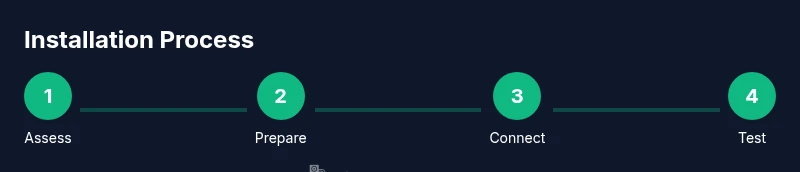
The installation typically follows a defined workflow: (1) confirm site suitability and unit size, (2) shut off utilities and remove the old heater, (3) mount the HPWH in the chosen location, (4) connect water lines and safety components, (5) perform electrical connections, and (6) test the system for leaks and correct operation. This sequence minimizes downtime and ensures critical safety checks are completed in the right order. It also helps verify that the condensate lines and venting (if applicable) are correctly routed. Planning ahead with a stepwise workflow reduces the risk of rework and protects tenant or family comfort during the transition.
Tip: keep manufacturer installation manuals handy and confirm any local amendments before starting.
Commissioning and safety checks after install
Once the HPWH is in place and all connections are made, commissioning begins. Check for leaks on all water joints and verify the condensate drainage path. Turn on power and test hot-water delivery at multiple faucets, observing recovery times and temperatures. If the unit supports energy-saving modes, verify they are configured correctly for your climate. Inspect electrical panels for heat buildup and confirm that the breaker is appropriately sized. Finally, document operating temperatures, pressure settings, and inspection dates for future maintenance. Heatpump Smart notes that commissioning is a critical step to confirm system safety and performance before putting the heater into regular service.
Maintenance and long-term care
Routine maintenance keeps HPWHs performing at their best. This includes periodic filter cleaning or replacement, checking the condensate line, inspecting drain and vent components, and confirming insulation around supply lines is intact. Schedule an annual or biannual inspection to verify refrigerant levels, electrical connections, and thermostat accuracy. In humid environments, monitor for any signs of moisture damage near the unit and ensure that ventilation paths remain unobstructed. By staying proactive with maintenance, you extend the life of the system and sustain energy savings over time. Heatpump Smart underscores that following a maintenance schedule helps preserve device efficiency and warranty coverage.
Common mistakes and how to avoid them
Common errors include placing the HPWH in spaces with extreme temperatures, skimping on venting or condensate drainage, and neglecting proper electrical or water connections. Other pitfalls are selecting too-small a unit for demand, failing to provide a stable, level mounting surface, and delaying maintenance. To avoid these issues, plan for appropriate space with adequate airflow, use the right pipe fittings and valves, and adhere to manufacturer guidelines. Always verify local regulations and obtain any required permits. Heatpump Smart emphasizes that a well-planned installation reduces service calls and improves long-term performance.
Tools & Materials
- Heat pump water heater unit (capacity matched to household needs)(Choose models rated for your climate and hot-water demand)
- Flexible water connectors (3/4 inch)(Corrosion-resistant, compatible with copper or PEX)
- Shut-off valves for cold water inlet and hot water outlet(Ensure easy isolation during service)
- Drain pan with overflow safety(Placed beneath unit for leak protection)
- Piping (copper or PEX) and fittings(For cold/hot water connections and relief valve piping)
- T&P relief valve and discharge piping( meets code requirements)
- Vent kit or intake components (if required by model)(Only necessary for units that require venting)
- Electrical materials: 240V circuit breaker, wire, conduit, disconnect(Follow local codes; use appropriate gauge)
- Voltage tester and multimeter(For safe electrical checks)
- Tools: adjustable wrench, pipe wrench, tubing cutter, screwdriver set, tape measure(Essential hand tools)
- Pipe thread sealant and Teflon tape(Seal water connections)
- Personal protective equipment (gloves, safety glasses)(Protective gear for safety)
- Permit and inspection paperwork(Keep documentation handy for inspections)
Steps
Estimated time: 4-9 hours
- 1
Assess site and model choice
Evaluate available space, ambient temperature, and hot-water demand. Confirm that the chosen HPWH model fits the location and complies with local codes. Decide if venting is required and verify access to drainage and electrical supply.
Tip: Bring room measurements and unit specifications to verify clearances before purchase. - 2
Shut off power and water; disconnect existing heater
Turn off the main power to the existing water heater and close the cold-water supply. Disconnect electrical connections and drain cold-water lines as needed. This prevents leaks and electrical hazards during removal.
Tip: Lockout/tagout procedures help prevent accidental energizing during work. - 3
Prepare space and base for new unit
Remove the old unit and clear debris. Ensure a level, sturdy base or mounting platform with room for service access and proper ventilation. Install any required drain pan or containment features before placing the HPWH.
Tip: Level mounting reduces vibration and extends the life of components. - 4
Mount the HPWH and route connections
Place the HPWH in the chosen location and secure it. Route cold-water input, hot-water output, condensate drain, and any venting as required, keeping lines short and protected. Install shut-off valves within easy reach.
Tip: Use anti-vibration pads if the unit is noisy on startup. - 5
Connect water lines and safety devices
Make all water connections with approved fittings, apply sealant as needed, and install the T&P valve discharge piping. Ensure the condensate line is properly routed to a safe drain.
Tip: Double-check the drain path to avoid backflow or leaks. - 6
Electrical connections and initial power-on
Run a dedicated 240V circuit from the panel, install a suitable disconnect, and connect the HPWH per the manufacturer’s wiring diagram. Do a cautious power-on test with a voltage check before allowing startup.
Tip: Verify that all connections are secure and that there are no exposed conductors. - 7
Test, calibrate, and document
Open cold-water supply, fill the tank, and verify leak-free operation. Set the target water temperature and ensure performance aligns with expectations. Record inspection dates and settings for future maintenance.
Tip: Run hot water at multiple fixtures to confirm even delivery and recovery times.
Your Questions Answered
Do I need a permit to install a heat pump water heater?
Permit requirements vary by jurisdiction. Check with your local building department, and if necessary hire a licensed professional to help with the application and inspection process.
Permit rules vary by area. Check with your local building department and consider professional help for getting approvals.
Can a heat pump water heater be installed in a small utility closet?
Yes, provided there is adequate clearance, ventilation, and access for service. Some models require specific space or ducting, so always consult the manufacturer’s guidelines.
It’s possible in small spaces if ventilation and access meet the manufacturer’s specs.
What maintenance does a heat pump water heater require?
Regular maintenance includes filter cleaning or replacement, checking condensate drainage, and confirming insulation. Schedule periodic professional checkups to verify refrigerant integrity and electrical connections.
Keep filters clean, drain lines clear, and schedule checks to keep it running smoothly.
Are heat pump water heaters suitable for cold climates?
HPWHs perform best in moderate ambient temperatures. In very cold spaces, performance can decline, so consider placement and supplemental heating options.
They work best in moderate temps; in very cold spaces, plan for impact on efficiency.
How long does installation take?
Typical installation spans several hours to a full day, depending on existing plumbing, electrical readiness, and permit timing.
Most installs take several hours to a day, depending on your setup and permits.
What kind of energy savings can I expect?
Savings depend on climate, usage patterns, and electricity costs. A properly sized HPWH installed and maintained correctly can contribute to lower operating costs.
Savings vary by climate and use, but a properly installed HPWH typically lowers operating costs.
Watch Video
Top Takeaways
- Plan space, climate, and load before selection
- Follow local codes and obtain permits
- Ensure dedicated electrical and proper drainage
- Conduct thorough commissioning and documentation
- Schedule regular maintenance for best results