Learn to Install Heat Pumps: Step-by-Step Guide
Learn to install heat pumps with an expert, step-by-step guide. Covers sizing, permits, electrical prep, ductwork, commissioning, and maintenance for safe, efficient home comfort.


Goal: Learn to install heat pumps safely and efficiently, with emphasis on proper sizing, electrical readiness, and system commissioning. This guide covers essential steps, required tools, permits and local codes, and basic safety considerations. You’ll gain a practical, step-by-step framework you can follow or discuss with a licensed technician, plus common pitfalls to avoid. Heatpump Smart's guidance highlights professional review for best performance.
Why Learn to Install Heat Pumps
According to Heatpump Smart, proper installation is the foundation of a heat pump's performance, efficiency, and safety. Learning the basics helps homeowners, builders, and property managers understand what happens behind the scenes—from sizing that matches your home’s load to proper outdoor unit placement. When you know the steps, you can communicate clearly with installers, spot potential issues early, and ensure the system operates within manufacturer specifications. The goal is not to replace a licensed technician, but to empower you to plan, verify, and participate in the process with confidence. A well-executed installation improves comfort, reduces running costs, and supports long-term reliability. Heatpump Smart Team emphasizes safety, code compliance, and thorough commissioning as non-negotiable pillars of any installation plan.
Assessing Your Home for a Heat Pump
A heat pump can be an excellent upgrade for many homes, but suitability depends on climate, insulation, and existing ductwork or hydro-thermal interfaces. Start by evaluating climate patterns—areas with cold winters still benefit from heat pumps, but performance hinges on proper equipment selection and insulation. Check insulation levels in walls and attic spaces, as well as air sealing, because leaky homes waste energy and reduce efficiency. If your home uses ductwork, assess its condition; leaky ducts can waste significant energy and create uneven heating. For ductless or mini-split options, ensure each zone has appropriate indoor units to achieve even comfort. This planning stage sets the stage for correct system sizing and reliable operation.
Choosing Between Air-Source and Geothermal Systems
Air-source heat pumps extract heat from outside air, making them versatile and generally quicker to install, with lower upfront costs in many markets. Geothermal systems tap into underground thermal energy, offering excellent efficiency but higher installation complexity and longer payback periods. The right choice depends on local climate, available space, and budget. In mild climates, air-source often delivers most value with careful sizing and seasonal efficiency. In colder regions, a geothermal system or a high-performance air-source model with auxiliary heat may be more suitable. Regardless of type, correct sizing and professional commissioning remain the keys to energy savings and reliable operation.
Permits, Codes, and Safety Considerations
Most installations require at least a building permit, and electrical work typically requires a licensed electrician. Local codes dictate disconnects, wiring methods, clearances, and refrigerant handling practices. Safety is non-negotiable: refrigerant lines must be leak-tested, electrical panels protected, and outdoor units mounted on solid pads with proper clearances. Always verify permit requirements before starting, and keep a detailed record of approvals, inspections, and any deviations from the manufacturer’s installation manual. Working with licensed professionals helps ensure compliance and protects warranty coverage.
Sizing and Load Considerations (Basics You Can Check)
Sizing a heat pump involves matching system capacity to the home’s heating and cooling load. A mismatch can lead to short cycling, poor humidity control, or excessive energy consumption. While a formal Manual J calculation by an HVAC professional is ideal, you can begin with basic checks: assess the home’s square footage, insulation quality, window efficiency, and typical winter temperature ranges. Consider existing ductwork or multi-zone configurations and whether upgrades to ducts or sealing are needed. Remember: bigger is not always better. Properly sized equipment runs more efficiently and delivers consistent comfort.
Tools, Materials, and Preparation
Before drafting a plan, gather a broad set of tools and materials to cover installation, testing, and commissioning. You’ll need items for measuring, mounting, cutting, and sealing, plus safety gear. Plan to have a dedicated space for outdoor and indoor unit storage, and ensure you have access to electrical circuits capable of handling the unit’s load. Having a clear preparation phase reduces delays and helps ensure the installation proceeds smoothly. The following sections outline the concrete steps and the tools/materials used in real-world installs.
Outdoor Unit Installation Basics
Installing the outdoor condenser requires a level, vibration-free surface with adequate clearance from walls and vegetation. Position the unit to minimize noise impact on nearby living spaces and ensure sufficient airflow around the cabinet. Secure the unit with appropriate fasteners and verify that drainage and condensate lines are routed away from foundations. If you’re mounting on a wall, ensure your mounting brackets or pad meet the unit’s weight and vibration requirements. A sturdy installation is essential for long-term reliability and efficient heat transfer.
Indoor Unit and Ductwork Considerations
Indoor air handlers or evaporator coils must be placed to optimize air distribution. Ensure access for routine maintenance and service, with clear clearance around the unit for airflow. If your home uses ducts, inspect for leaks, corrosion, and insulation gaps. Seal and insulate ducts to minimize energy losses and improve comfort. In ductless systems, verify that each zone has a properly sized indoor unit and that refrigerant piping is sized and purged according to the manufacturer’s guidelines. Proper indoor placement aids balance and steady comfort.
Refrigerant Lines, Piping, and Sealing
Refrigerant lines are the heartbeat of the system. Require careful sizing, proper insulation, and leak testing. Ensure lines are appropriately flared and brazed, with vacuum testing to remove air and moisture. Use anti-corrosion sealants and corrosion-resistant fittings in outdoor runs. Route lines carefully to avoid physical damage, protect against weather, and minimize thermal losses. A professional should always verify refrigerant charge and test for leaks after final connections.
Electrical Connections and Controls
Electrical work must follow local codes. Install a dedicated circuit or service a panel with the appropriate amperage, plus a proper disconnect within sight of the outdoor unit. Wire the thermostat and any smart controls according to the manufacturer’s wiring diagram. Grounding, fusing, and circuit protection are essential for safe operation. Improper wiring can cause equipment damage or safety hazards, so this step is a key reason to involve a licensed electrician and, if needed, an HVAC technician.
Commissioning, Testing, and Performance Checks
Commissioning verifies that each component operates correctly, and performance testing confirms the system meets expected efficiency. Test defrost cycles, compressor operation, fan speed, and thermostat responsiveness. Check humidity control and airflow balance in all zones. Look for unusual noises or vibrations and address duct leakage or refrigerant concerns promptly. Document settings and test results for future service visits. A thorough commissioning cycle ensures comfort and efficiency from day one.
Maintenance and Long-Term Care
With proper maintenance, a heat pump delivers reliable comfort for years. Create a simple annual plan: inspect outdoor and indoor units, clean or replace filters, check refrigerant lines for moisture or ice, and verify thermostat function. Schedule professional service every 1–2 years for refrigerant checks, electrical connections, and duct inspections. Keep equipment manuals, warranty information, and service records in a single place. Proactive maintenance prevents costly breakdowns and preserves energy savings over the system’s life.
Common Pitfalls to Avoid
Avoid oversizing or undersizing the unit, which can lead to inefficiency and comfort issues. Don’t skip permits or skip electrical inspections. Avoid duct leaks by failing to seal or insulate, and resist the urge to shortcut refrigerant handling. Plan for seasonal contingencies—some climates need auxiliary heat on very cold days. By anticipating these issues and following manufacturer guidelines, you reduce risk and improve long-term performance. The Heatpump Smart Team recommends relying on licensed professionals for critical steps.
Tools & Materials
- Refrigerant lines and insulation(Size per system and run length)
- Outdoor condenser mounting pad(Concrete pad or roof stand with level surface)
- Indoor air handler / evaporator coil(Match with outdoor unit and existing ductwork)
- Dedicated electrical circuit and disconnect(Check amperage rating per unit)
- Thermostat compatibility (smart thermostat recommended)(Program for heat/cool modes)
- Copper tube cutter and flaring tool(For refrigerant piping connections)
- Vacuum pump and manifold gauge set(For leak testing and evacuation)
- Pipe insulation, sealant, anti-vibration pads(Protect lines and minimize vibration)
- Duct sealing materials (mastic or foil tape)(Seal leaks for efficiency)
- Safety gear (gloves, goggles)(Personal protective equipment)
- Drill, level, screws, mounting hardware(Secure mounting; maintain plumb/level)
Steps
Estimated time: 6-12 hours
- 1
Assess site and plan
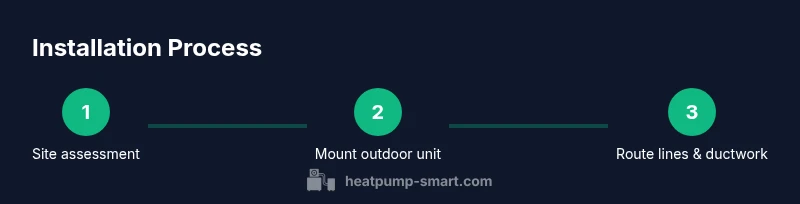
Survey the space, confirm type (air-source or geothermal), and map routes for piping and wiring. Decide outdoor unit location with clearances and noise considerations. Create a rough bill of materials and a task timeline to prevent mid-project delays.
Tip: Document measurements and note any site constraints before ordering equipment. - 2
Check electrical readiness
Verify the electrical panel can support a dedicated circuit for the heat pump. Install a proper disconnect within sight of the outdoor unit. Ensure all wiring complies with local codes and manufacturer instructions.
Tip: Have an licensed electrician confirm circuit capacity and proper grounding. - 3
Select system type and capacity
Choose air-source or geothermal based on climate, space, and budget. Confirm that the chosen unit’s capacity aligns with the home’s heating and cooling load, preferably via a professional load calculation.
Tip: Avoid assuming size based on square footage alone; use a professional assessment for best results. - 4
Prepare outdoor mounting area
Set a level pad or mount bracket for the outdoor unit, ensuring adequate airflow and accessibility. Clear vegetation and secure the area to prevent movement or obstruction during operation.
Tip: Place the unit away from high-traffic areas to minimize vibration transmission. - 5
Install outdoor unit and route piping
Mount the condenser on the pad, attach brackets, and begin routing refrigerant lines to the indoor unit. Keep lines secure, protected, and insulated to prevent energy losses and weather damage.
Tip: Avoid sharp bends and ensure line-set length matches manufacturer specifications. - 6
Install indoor air handler
Position the indoor unit for optimal air distribution, connect ductwork or mounting hardware, and ensure service access for maintenance.
Tip: Check clearances around the unit to permit servicing without disassembly. - 7
Seal and insulate refrigerant lines
Insulate all exposed lines, seal pipe penetrations, and protect lines from physical damage. Avoid moisture ingress that could degrade refrigerant performance.
Tip: Use manufacturer-approved insulation and verify tight seals after installation. - 8
Make electrical and thermostat connections
Connect the unit to the dedicated circuit, install the disconnect, and wire the thermostat or smart-control system following wiring diagrams.
Tip: Double-check polarity and ensure proper grounding. - 9
Charge, test, and calibrate
Evacuate the system, test for leaks, and charge refrigerant to the recommended level. Calibrate controls, run cooling and heating modes, and verify performance.
Tip: If refrigerant charge is not accurate, do not override manufacturer guidelines. - 10
Commission and document
Perform a final inspection, verify airflow, humidity control, and defrost cycles. Record settings, test results, and any deviations for future service.
Tip: Keep a copy of the installation manual and warranty for reference. - 11
Finalize and demonstrate operation
Explain thermostat programming, maintenance plan, and basic troubleshooting steps to the homeowner or property manager. Confirm satisfaction with comfort levels across zones.
Tip: Provide a written checklist for ongoing maintenance. - 12
Plan maintenance and follow-up
Schedule annual professional service and periodic DIY checks (filters, airflow, and simple cleaning). Prepare a seasonal check to keep performance high.
Tip: Set calendar reminders for future servicing.
Your Questions Answered
Do I need a professional to install a heat pump?
In most cases, yes. A licensed HVAC installer and electrician ensure code compliance, refrigerant safety, and correct refrigerant charge. DIY installation can void warranties and create safety hazards.
Yes. You should hire a licensed HVAC installer and electrician to ensure safety and code compliance.
What permits are typically required for installation?
Most jurisdictions require at least a building permit and an electrical permit. Some areas also mandate mechanical or refrigeration work permits. Check with your local building department and HVAC professionals.
Most places require building and electrical permits; check with local authorities.
How long does installation take?
Installation duration varies by home and system type. Expect several hours to a couple of days, depending on site access, ductwork, and electrical readiness.
It can take several hours to a couple of days depending on the home and system.
What’s the difference between air-source and geothermal heat pumps?
Air-source pumps are generally cheaper to install and work well in many climates. Geothermal systems offer higher efficiency but require more invasive ground or water loops and higher upfront costs.
Air-source is usually cheaper and easier; geothermal is more efficient but costlier and more complex.
Is DIY installation ever advisable?
Some basic tasks like insulation and duct sealing can be DIY-friendly, but refrigerant handling, electrical work, and charging should be done by licensed professionals to avoid safety risks and warranty issues.
DIY is not recommended for refrigerant or electrical work.
What maintenance is required after installation?
Regular filter changes, annual professional checkups, and periodic duct cleaning help maintain performance and efficiency. Keep an eye on noises, humidity, and thermostat accuracy.
Change filters regularly and schedule annual professional checkups.
Watch Video
Top Takeaways
- Plan sizing with a professional load calculation.
- Secure permits and follow electrical safety rules.
- Choose air-source vs geothermal based on climate and budget.
- Commission thoroughly and document results.
- Schedule regular maintenance for long-term efficiency.