Can You Charge a System in Heat Pump Mode? A Practical Guide
Learn whether you can safely charge a heat pump system while in heat pump mode, what a technician will check, safety steps, and alternatives. This expert guide from Heatpump Smart covers process, timing, and regulatory considerations for homeowners, builders, and managers.


If you’re asking can you charge a system in heat pump mode, the answer is nuanced: it’s not a DIY task, and proper charging must follow the manufacturer's procedure and safety rules. In most cases, a licensed HVAC technician should perform refrigerant charging when the system is in heat pump mode.
What heat pump mode means for charging
In a heat pump system, charging refrigerant is tied to the system's current operating mode. The direction of refrigerant flow is controlled by the reversing valve, so the charging data you use for heating is not identical to cooling. When the unit is in heat pump mode, service data, pressure readings, and expected performance change. According to Heatpump Smart, technicians should always consult the specific manufacturer's service data for the exact charge amount, refrigerant type, and procedure. Sealed-system refrigerant work is hazardous and requires proper training, PPE, refrigerant recovery equipment, and environmental controls. Homeowners should avoid attempting to measure or top up refrigerant themselves; doing so can void warranties and create safety risks. The takeaway is that the overall strategy remains the same: diagnose, verify leaks if present, reference the correct data, and execute charging only with approved equipment and authorization.
When charging in heat pump mode is appropriate
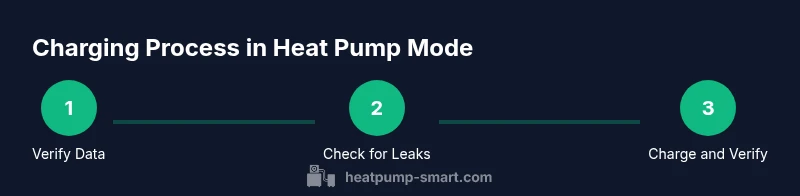
Charging in heat pump mode is appropriate after confirming a refrigerant leak or following a repair that opened the sealed circuit. If a system has been operating in heat pump mode with reduced heating output, longer cycling, or ice formation on outdoor coils, charging may be indicated. Before any recharge, verify that there is an actual need and that the refrigerant type and quantity align with the manufacturer’s data. Heatpump Smart analysis suggests first verifying there are no leaks and assessing overall refrigerant charge in relation to operating mode. Always follow the service data for the correct charge specification and refrigerant type. If a system has been running in heat pump mode with persistent performance issues, a recharge should be evaluated only after leak checks and system diagnostics are complete.
Safety and regulatory considerations
Refrigerant work is governed by safety and environmental rules in many regions. Only licensed HVAC technicians with proper training and certification should handle charging and refrigerant recovery. This protects you from legal penalties and protects the environment from improper venting. PPE such as gloves and eye protection is essential when leaks or spills are possible. Ensure the technician follows local regulations on refrigerant type, disposal, and reporting. Heatpump Smart emphasizes that attempting DIY refrigerant work can lead to injury, system damage, and warranty disqualification. When in doubt, treat refrigerant work as a specialized service that requires professional oversight.
What a professional will check during charging in heat pump mode
A qualified technician will perform a structured set of checks: verify the system model, refrigerant type, and charge data from the manufacturer; confirm there are no active leaks; connect calibrated gauges and recovery equipment; check for proper superheat and subcool values according to data sheets; and adjust the charge only as specified for heat pump operation. They will also inspect electrical components, reversing valve operation, and compressor health as part of a comprehensive service. Documentation of readings and the final charge is standard practice. Heating performance in heat pump mode should meet the manufacturer’s data once charging is complete.
Signs you may need charging or service
- Noticeable drop in heating performance or longer run times
- Frequent short cycling or short heating periods
- Ice buildup on outdoor coils or restricted airflow
- Unusual noises from the compressor or refrigerant lines
- Visible refrigerant oil spots around connections or the service port
- Error codes related to refrigerant pressure or sensor readings
How to prepare before service
Before a technician arrives, gather the system information: model and serial numbers, the current operating mode, and a concise description of symptoms. Clear access to outdoor units, service panels, and the indoor air handler area. Do not run the system aggressively or attempt to top up refrigerant yourself. Note any recent repairs or leak events and have the service data sheet ready. A prepared site helps the technician diagnose faster and reduce the chance of unnecessary charge adjustments.
Alternatives to charging
If there is a persistent leak or the system cannot maintain proper pressures in heat pump mode, alternatives include repairing the leak, replacing faulty components (valves, seals, or the compressor), or restoring the system with a certified refrigerant charge via approved equipment. In some cases, a full system replacement may be more cost-effective than repeated charging, especially in older units with multiple issues. The emphasis should be on leak resolution, system integrity, and using manufacturer-approved procedures for charging rather than ad-hoc top-ups.
Heatpump Smart's recommended approach
Heatpump Smart advocates consulting the manufacturer's service data and engaging a licensed HVAC technician for refrigerant charging, especially when the system is operating in heat pump mode. This ensures the correct refrigerant type, charge level, and safety checks are followed. Regular maintenance and leak detection are essential to prevent repeat charging. For homeowners, builders, and property managers, prioritizing professional service preserves warranty coverage and system performance. The Heatpump Smart team also recommends documenting all service actions for future reference and maintenance planning.
Tools & Materials
- HVAC refrigerant recovery machine(Essential for safe removal and recharge of refrigerant per local regulations.)
- Manifold gauge set with hoses(Used to monitor pressures; must be rated for the refrigerant type.)
- Leak detector (electronic or ultrasonic)(Identify ongoing leaks before charging.)
- Refrigerant identifier(Confirm the exact refrigerant type installed in the system.)
- Personal protective equipment (gloves, goggles, face shield)(Protect yourself from refrigerant exposure and refrigerant oil splashes.)
- Manufacturer service data sheet(Chose data specific to the unit and heat pump mode.)
- Electrical PPE and lockout/tagout equipment(Ensure power is isolated before opening panels.)
- Documentation log(Record readings, charge amount (as specified), and follow-up actions.)
Steps
Estimated time: 1-2 hours
- 1
Confirm safety and obtain official service data
Power down the system and follow lockout/tagout procedures. Retrieve the manufacturer service data for the exact refrigerant type and charge specification relevant to heat pump mode.
Tip: Ensure you have the correct data sheet for the unit’s heat pump configuration before touching any components. - 2
Prepare the work area and gather required tools
Clear access to outdoor and indoor units; bring the calibrated gauges, recovery equipment, and PPE. Double-check that all tools are rated for the refrigerant involved and that the work area is well-ventilated.
Tip: Lay out tools in an organized workspace to speed up diagnostics and reduce mistakes. - 3
Inspect for leaks and physical damage
Using the leak detector, scan all service ports, fittings, and joints. Address any obvious damage or signs of oil leakage before attempting a recharge.
Tip: Leaky systems should be repaired before charging to avoid rapid recharge loss. - 4
Connect recovery and charging equipment
Attach the recovery machine and gauge set per the manufacturer’s instructions. Ensure seals are tight and the system is isolated from accidental venting.
Tip: Check that all connections are secure to prevent refrigerant loss during setup. - 5
Measure system data and adjust charge
With the system in heat pump mode, check superheat/subcool according to the data sheet and adjust the charge gradually using approved procedures.
Tip: Never guess the charge; follow the data sheet and manufacturer guidelines. - 6
Test operation and verify performance
Run the system in heat pump mode, observe cycling, temperature output, and pressure stability. Confirm the system meets expected performance and safety parameters.
Tip: Look for stable cycling and consistent outlet temperatures across cycles. - 7
Document results and plan follow-up maintenance
Record readings, final charge, and any adjustments. Schedule a follow-up inspection to monitor refrigerant levels and system integrity.
Tip: Maintain a service log to support warranties and future maintenance.
Your Questions Answered
Can charging be performed without evacuating the system first?
Most professional charging procedures begin with evacuating the system to remove moisture and non-condensables. This ensures a clean refrigerant charge and reduces the risk of future leaks or pressure problems.
Evacuation is usually needed to remove moisture and get accurate readings, ensuring a proper recharge.
Is it safe to charge a heat pump while it’s in heat pump mode?
Charging in heat pump mode can be done, but only by a licensed technician using the correct data and equipment. Handling refrigerants without supervision is unsafe and often illegal.
Yes, but it requires proper data, equipment, and licensing.
How long does a typical charging job take?
A typical professional recharge with leak check and test run may take 60 to 120 minutes depending on access, system complexity, and leak status.
Most recharge jobs take about an hour or two, depending on the system.
Will charging fix poor heating performance if the system is in heat pump mode?
Charging may help if the system was undercharged due to a leak or service incident. Ongoing poor performance could indicate a leak, valve issue, or compressor fault requiring broader service.
Charging can help if it was undercharged, but other faults may require additional repairs.
Do I need a permit to handle refrigerants?
Regulations vary by region; many areas require licensing and proper refrigerant handling. Check local codes and rely on a licensed technician for compliance.
Yes, many regions require licensing to handle refrigerants.
Watch Video
Top Takeaways
- Charge work in heat pump mode requires licensed technicians.
- Always fix leaks before charging; otherwise the charge will be lost quickly.
- Follow manufacturer data; do not improvise charge amounts.
- Document outcomes for warranty and maintenance.