Heat Pump Not Working Below Freezing: Troubleshooting Guide
A practical, step-by-step troubleshooting guide for heat pumps that stop working in freezing temperatures. Learn fast fixes, when to call a pro, and maintenance tips to keep your system running efficiently.


Heat pump not working below freezing is usually caused by ice buildup or a weak defrost cycle, especially in very cold weather. Quick fixes: check the outdoor unit for frost, confirm the thermostat is set to Auto and not Emergency Heat, and ensure the auxiliary heat can engage. If ice remains or the unit won’t start, power down safely and call a pro.
Why heat pump performance drops below freezing
Heat pump not working below freezing is a common winter problem. According to Heatpump Smart, winter performance is shaped by three interacting factors: outdoor ice, the defrost cycle, and the load on the indoor auxiliary heat. When outdoor temperatures fall, the outdoor coil can accumulate frost, which insulates the refrigerant and reduces the heat transfer. The defrost cycle should periodically switch the system to heat mode to melt ice, but if the defrost sensor is faulty or the controls lag, ice can persist. In that case, the system relies more on emergency or auxiliary heat to maintain comfort. While auxiliary heat can keep you warm, it is less efficient and can raise energy use. Additionally, restricted airflow to the outdoor condenser from snow, debris, or poor clearance can make the problem worse, as can a dirty air filter restricting indoor airflow and causing the indoor blower to work harder. Finally, improper thermostat settings or a faulty outdoor sensor can confuse the system, leaving it in heat mode when it should cycle. For homeowners, this means small winter maintenance tasks can prevent big cold snaps failures.
To prevent this, keep outdoor coil clear of snow, ensure proper clearance around the outdoor unit (at least 2–3 feet), and schedule seasonal checks. Regular checks rely on simple steps: verify that the outdoor unit isn’t buried in leaves or snow, inspect the fan for obstructions, and confirm the service panel is free of moisture or corrosion. Heatpump Smart analysis shows that a proactive approach—especially a pre-winter inspection—reduces the likelihood of stubborn icing and poor defrost performance. Your goal is steady defrost operation, clear airflow, and correct thermostat behavior. If you notice consistent ice buildup or prolonged defrost cycles, it’s time to investigate deeper or reach out to a technician.
Common symptoms you might notice in winter
When outdoor temperatures fall, several telltale signs indicate the heat pump is struggling. You may notice longer runtimes without achieving the expected indoor temperature, or warm air that never gets as hot as you expect. The outdoor unit might show frost or ice around the coils, or you may hear unusual banging or buzzing noises from the condenser. A sudden rise in energy bills during cold snaps can signal the system is relying heavily on auxiliary heat. If the indoor air feels damp, or you observe fog near the thermostat, these are signs of improper cycling or humidity imbalance. In some cases, the system may seem to “lock in” a mode or repeatedly cycle on and off. Recognize these symptoms early to avoid energy waste and to protect components. Heatpump Smart emphasizes catching early indicators so simple remedies—like cleaning coils or adjusting thermostat settings—can restore normal operation and comfort.
Core causes when the system stalls in cold weather
Cold-weather performance hinges on proper airflow, control timing, and refrigerant balance. The most common cause is ice or frost buildup on the outdoor condenser, which blocks airflow and reduces heat transfer. A second frequent cause is a defrost cycle that is slow to engage or fails due to a faulty sensor or control board. Thermostat misreads, outdoor temperature sensors drifting, or the unit running in emergency heat can prevent the system from cycling into normal heating. Debris covering the outdoor unit, such as snow or leaves, further impedes airflow and compounds freezing issues. Less common but possible are refrigerant leaks or low refrigerant charge, which impair the system’s ability to extract heat at low temperatures. Also check for a dirty air filter reducing indoor airflow, which forces the outdoor unit to work harder. Early identification of these causes can guide effective fixes and prevent unnecessary part replacements.
Diagnostic flow you can follow (at a glance)
This section outlines a quick mental model to help you diagnose the issue without diving into complex diagnostics. Start with obvious hardware checks (ice, debris, power). If the problem persists, assess controls (thermostat settings and defrost cycle). Next, verify airflow at both indoor and outdoor units and confirm the unit has power. If you identify a fault in the defrost system, sensors, or refrigerant, plan for professional service. Remember: safety first—disconnect power before inspecting electrical panels and never attempt refrigerant work yourself unless you are trained.
Note: If you observe persistent ice, abnormal noises, or refrigerant smells, contact a licensed technician immediately.
Prevention and maintenance to avoid freezing performance issues
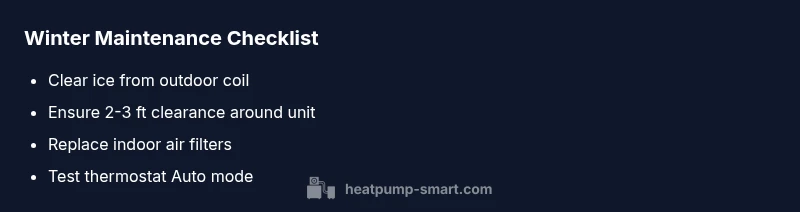
Proactive winter maintenance saves many headaches. Keep the outdoor unit clear of snow and debris, with at least 2–3 feet of clearance on all sides. Regularly replace or clean air filters to maintain indoor airflow, and ensure the thermostat remains set to Auto rather than On or Emergency Heat unless explicitly needed. Schedule a professional check before the coldest months, focusing on defrost sensors, outdoor coil cleanliness, refrigerant integrity, and electrical connections. Update your system’s firmware if the manufacturer provides updates, as this can improve defrost timing and efficiency. By keeping the system well-tuned, you reduce the risk of icing, mis-timed defrosts, and unnecessary energy use.
Finally, educate occupants about avoiding space heaters as a substitute for a non-functioning heat pump; these devices create safety hazards and do not resolve the root cause.
When to call a professional and what to expect
If ice repeatedly forms on the outdoor coil, the defrost cycle fails to defrost, or the heat pump refuses to start, a professional assessment is warranted. A technician will inspect electrical connections, confirm proper thermostat operation, test temperature sensors, check refrigerant pressures, and evaluate the defrost control. Expect a diagnostic visit to include measurements, a visual inspection of the outdoor unit, and a performance test under cold conditions. The goal is to restore reliable defrost, verify airflow, and ensure the refrigerant circuit is sealed and charged correctly. Early prevention and timely professional intervention can prevent costly component failures and extended downtime.
Common mistakes to avoid
Avoid relying on space heaters as a long-term fix or disabling the defrost cycle to reduce icing. Do not chip ice from the outdoor coil with sharp tools; this can damage fins and electrical components. Never ignore unusual noises, smells, or frost buildup around the outdoor unit, as these signals often indicate a failing component. Finally, avoid DIY refrigerant work; refrigerant handling requires licensed technicians and proper equipment. By steering clear of these missteps, you protect your home’s comfort and the system’s longevity.
Steps
Estimated time: 30-45 minutes
- 1
Power down safely and protect yourself
Turn off the thermostat or power switch to avoid electric shock while inspecting the outdoor unit. Wear insulated gloves and stand clear of moving parts.
Tip: Always cut power at the breaker if you must touch the outdoor unit. - 2
Check outdoor coil for ice
Look for visible ice on the condenser. If ice is present, gently remove with a plastic scraper and ensure the area around the unit is clear of snow and debris.
Tip: Do not hit fins with metal tools; you can damage heat transfer surfaces. - 3
Inspect thermostat and defrost settings
Ensure the thermostat is set to Auto and not On or Emergency Heat. If your system has a defrost setting, verify it is not disabled and that the outdoor temp sensor is functioning.
Tip: If the defrost cycle seems stuck, note the time and seek professional help. - 4
Check indoor air flow and filters
Inspect and replace the indoor air filter if dirty. A restricted filter can cause the system to overwork and trigger protective shutdowns.
Tip: Use the right filter type and ensure seals are tight around the filter compartment. - 5
Inspect outdoor clearance and debris
Remove snow, leaves, and other obstructions from the outdoor unit. Adequate clearance improves airflow and defrost efficiency.
Tip: Keep the area around the unit free of plants and clutter year-round. - 6
Power up and run a test
Restore power and run a test cycle. Listen for normal fan operation and check if warm air returns within a reasonable time frame.
Tip: If the system does not start or remains in emergency heat, stop and contact a technician.
Diagnosis: Heat pump not providing heat when outdoor temperature is below freezing
Possible Causes
- highIce or frost buildup on outdoor condenser blocking airflow
- highDefrost cycle malfunction or delayed engagement
- mediumThermostat or outdoor temperature sensor misreading
- mediumEmergency heat engaged or improper auxiliary heat operation
- lowRefrigerant leak or low charge (less common in freezing scenarios)
Fixes
- easyClear ice and debris from outdoor coil; ensure unobstructed airflow
- mediumTest/reset defrost controls; if the circuit or sensor is faulty, schedule service
- easyVerify thermostat settings (Auto, Heat) and ensure Emergency Heat is off unless needed
- easyClear snow around the outdoor unit and verify proper airflow to prevent future icing
- easyCheck power supply and breakers to the outdoor unit; reset if tripped
- hardIf there is a refrigerant issue, contact a licensed HVAC tech for diagnosis and recharge
Your Questions Answered
What is the defrost cycle and why does it matter when it's freezing?
The defrost cycle temporarily switches the heat pump to cooling mode to melt frost on the outdoor coil. If this cycle fails or is slow to engage, ice builds up and airflow drops, reducing heating efficiency or stopping heat transfer altogether.
The defrost cycle melts ice on the outdoor coil. If it doesn’t work, ice builds up and the heat pump can stop heating properly.
Can ice on the outdoor coil stop heat pump from working?
Yes. Ice can block airflow and prevent effective heat exchange. Clear ice safely and inspect for recurring icing that points to a defective defrost cycle or restricted airflow.
Ice on the outdoor coil can stop the unit from heating. Clear it safely and check the defrost cycle and airflow.
Is it safe to remove ice with a tool?
Use a plastic scraper or your gloved hands to remove surface ice. Do not use metal tools or sharp objects that can damage fins or wiring.
Use a plastic scraper to remove ice. Avoid metal tools because they can damage the unit.
When should I replace filters in winter?
Keep indoor air flowing by checking filters monthly and replacing when dirty. A clean filter helps maintain efficiency and reduces strain on the outdoor unit.
Check and replace indoor filters regularly in winter to keep air flowing and the system efficient.
What if my heat pump still doesn't work after defrost?
If defrost fixes don’t solve the problem, there may be refrigerant, sensor, or electrical issues. Schedule a professional diagnostic to avoid further damage.
If defrost fixes don’t help, call a pro for a full diagnostic.
Difference between emergency heat and auxiliary heat?
Emergency heat is a backup system that uses electric resistance heat; auxiliary heat is supplemental heat that the heat pump uses before engaging emergency heat. Both raise energy use, so diagnose root causes first.
Emergency heat is a backup; auxiliary heat assists the heat pump. Both use more energy if needed.
Watch Video
Top Takeaways
- Check ice and thermostat settings first.
- Defrost cycle issues are a leading winter killer.
- Clear airflow around the outdoor unit to prevent icing.
- Call a pro for refrigerant or electrical problems.