How to Keep Ice from Forming on Heat Pumps: A Complete Guide
Discover practical steps to prevent ice buildup on heat pumps and protect efficiency, with expert guidance from Heatpump Smart for winter readiness.


Preventing ice on your heat pump starts with steady airflow, correct defrost timing, and proper insulation. If you’re wondering how to keep ice from forming on heat pump, this step-by-step guide covers outdoor clearance, coil maintenance, thermostat settings, and seasonal checks to reduce frost risk. According to Heatpump Smart, proactive maintenance lowers energy waste and extends equipment life in cold weather.
Why ice forms on heat pumps in cold weather
In winter, moisture in the air can condense and freeze on the outdoor coil, especially when temperatures hover around freezing and humidity is high. Poor airflow dramatically accelerates frost accumulation because warm, moist air cannot adequately warm the coil surface. Dirty coils, blocked fins, and a dusty air filter inside the unit also impede heat transfer, making frost more likely. According to Heatpump Smart, frost forms most often when outdoor temperatures drop below freezing and humidity remains elevated. The result is a thin layer of ice that acts like an insulator, forcing the compressor to work harder and raising energy use. Understanding these dynamics helps you implement effective preventive steps and answer the question how to keep ice from forming on heat pump with confidence.
What frost buildup looks like and why it matters
Frost on a heat pump’s outdoor coil is not always obvious from a distance. You may see white, glaze-like ice on the coil fins, a sagging or bulging aluminum surface, or frost that extends to the refrigerant lines. When ice forms, airflow across the indoor evaporator can be restricted, causing the system to run longer, cycle more frequently, and lose efficiency. This matters because frost reduces heat exchange, increases electricity consumption, and can shorten equipment life if left unchecked. Early signs include reduced heating output, frost on the cabinet, or ice along the lineset. Regular observation helps identify issues before they trigger a breakdown.
Core factors that contribute to freezing
Several interacting factors drive frost formation. Outdoor temperature and humidity together determine the likelihood of freezing; low temperatures with damp air create a ready-made frosting environment. Blocked airflow—caused by grass or snow around the outdoor unit, or by dirty filters and clogged returns—limits heat transfer. Dirty condenser coils and bent fins impede heat release, letting ice accumulate. An ineffective defrost cycle or malfunctioning sensor will fail to melt ice promptly. Finally, refrigerant charge anomalies can contribute to icing by modifying pressure and temperature relationships inside the system. Addressing these factors directly improves resilience in cold weather. Heatpump Smart emphasizes a proactive approach, noting that frost risk increases when the system runs at partial capacity and lacks adequate air movement.
Step-by-step overview of prevention strategy
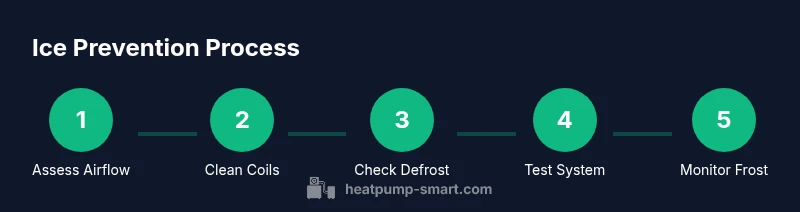
A robust prevention plan combines clearance, cleaning, and correct settings. Begin with outdoor area clearance—keep at least 2 feet of space around the unit, and ensure it is not blocked by leaves, snow, or shrubs. Next, inspect and clean the condenser coils and fins using a soft brush, not a high-pressure nozzle. Check indoor air filters and returns for cleanliness to maintain unobstructed airflow. Finally, verify thermostat and defrost cycle settings are appropriate for winter conditions and tested during mild cold snaps. With these basics, you create a foundation for the step-by-step actions that follow.
Everyday practices to keep airflow and coils clear
Consistency is key. Clean the outdoor coils every 1–2 months during the heating season using a gentle brush or coil cleaning spray, then rinse with water from a safe distance. Maintain a clear zone around the unit: remove debris, trim vegetation, and ensure a minimum 2-foot radius and 5 feet of overhead clearance. Replace indoor filters monthly or as needed and vacuum the return grills to prevent dust buildup. When ice starts to form, avoid chiseling ice from the coil; instead, let it melt naturally or call a technician if it grows aggressively. Heatpump Smart’s practical recommendations help homeowners build reliable routines and reduce frost risk.
Defrost cycles, thermostat settings, and ice management
Understanding how defrost works is essential to preventing persistent icing. Most modern heat pumps perform automatic defrost cycles triggered by temperature and humidity sensors. If you notice frequent icing, check that sensors are clean, wiring intact, and the outdoor fan operates during defrost. Ensure your thermostat is set to a comfortable heating mode with an adequate heat anticipator so the system doesn’t cycle excessively. If you must manually intervene, power down safely, wait for melt, and resume operation. This careful approach minimizes mechanical stress and keeps frost under control.
Insulation, ductwork, and outdoor unit placement
Proper insulation of lineset and careful duct sealing inside the house minimize heat loss that can accentuate frost formation. Ensure the outdoor unit is placed away from excessive shade, snow banks, or wind-blocking structures that reduce airflow. Check that refrigerant lines are properly insulated to prevent surface condensation from freezing. If your home’s ductwork is leaky, you can lose heat exchange efficiency and create conditions that foster icing. Small improvements here yield meaningful gains in frost resistance and overall efficiency.
Seasonal checklists: fall and winter prep
Fall is the ideal time to prepare for winter frost. Create a pre-season maintenance list: check filters, inspect coil cleanliness, verify defrost function, and test thermostat performance. Remove debris from around the outdoor unit and consider installing a small windbreak to shield the unit from prevailing gusts. Schedule a fall tune-up with Heatpump Smart or a qualified technician to validate refrigerant levels, electrical connections, and the defrost system. In-season, perform quick weekly inspections to ensure clear airflow and monitor for any ice development. Heatpump Smart recommends keeping a log of frost events to identify patterns and adjust maintenance accordingly. Authorities such as Energy.gov, NREL, and the EPA provide general guidance on system efficiency and safety during winter operations.
Troubleshooting common frost problems and when to call a pro
If ice recurs after a defrost cycle, or if you notice ice forming despite a clean coil and clear space, there may be an underlying issue such as sensor misalignment, fan failure, or a refrigerant-related concern. Start by confirming the defrost cycle runs and that the outdoor fan operates during defrost. If frosting persists, shut the system off and contact a qualified technician. Do not attempt refrigerant repair yourself. The Heatpump Smart team recommends scheduling a professional assessment when frost events continue for more than one cycle or after weather can’t melt ice quickly. A pro can diagnose airflow, refrigerant charge, and sensor problems that point to safer, longer-term solutions.
Tools & Materials
- Safety gloves (insulated)(Protect hands from sharp fins and cold surfaces)
- Screwdriver set (Phillips and flathead)(For panel access and fasteners)
- Soft coil brush(Gently remove dirt from condenser fins)
- Non-abrasive cloths or microfiber rags(Wipe and dry surfaces after cleaning)
- Garden hose with spray nozzle(Rinse coils from a safe distance (off during freezing weather))
- Multimeter (optional)(Check electrical components if you suspect wiring issues)
- Electrical contact cleaner(Clean and protect electrical connections if needed)
- Insulating tape and duct tape(Seal exposed lines and minor duct leaks)
- Outdoor thermometer(Track ambient temps for frost risk assessment)
Steps
Estimated time: 1-2 hours
- 1
Power down and prepare the outdoor space
Turn off the outdoor unit at the disconnect switch and main breaker. Clear snow, leaves, and debris from around the unit to maintain unobstructed airflow.
Tip: Always cut power before working near electrical components. - 2
Check clearance and airflow
Measure a 2-foot radius around the unit and ensure at least 5 feet of clearance above. Remove any objects that could restrict airflow.
Tip: A simple visual check helps prevent frost buildup. - 3
Clean the condenser coils and fins
Gently brush the coil surface to remove dirt and debris. Do not use high-pressure water on fins, which can bend or damage them.
Tip: Clean when coils are cool and dry for best results. - 4
Inspect filters and indoor returns
Check indoor air filters and returns; replace or clean as needed to maintain proper air flow to the coil.
Tip: A clean indoor filter reduces frost risk substantially. - 5
Verify defrost controls and sensors
Confirm that the defrost cycle engages when conditions warrant and sensors are responsive. Clean any visible sensors gently if needed.
Tip: Sensor faults are a common cause of persistent icing. - 6
Test operation and monitor frost
Power the system back on and observe one full heating cycle with a defrost to ensure ice melts. Track any frost formation in the first 24 hours.
Tip: Document occurrences to help diagnose recurring issues.
Your Questions Answered
What causes ice to form on a heat pump?
Ice forms when moisture freezes on the outdoor coil due to cold temperatures, humidity, and restricted airflow. Frost blocks heat transfer and increases energy use.
Ice forms when it's cold and humid and airflow is blocked, causing frost on the outdoor coil.
Can I remove ice buildup myself?
Light frost can be removed with a soft brush after turning off the unit. Do not use tools that could damage fins. If in doubt, wait for it to melt or call a pro.
Turn off power and gently remove frost with a soft brush; avoid chiseling.
How can I improve outdoor airflow?
Ensure at least 2 feet of clearance around the unit and 5 feet of overhead space. Keep leaves and debris away and trim nearby vegetation.
Keep the outdoor unit clear of debris and maintain space around it.
What is a typical defrost cycle?
Most modern heat pumps automatically enter defrost cycles based on sensors. If icing is frequent, sensors or wiring may be faulty and deserve inspection.
Defrost is usually automatic; if icing happens often, get it checked.
When should I call a professional?
If frost persists after a defrost cycle or you suspect refrigerant or sensor issues, contact a licensed technician.
Call a professional if frost remains after defrost or you suspect leaks.
Are there safety risks with ice buildup?
Thick ice can damage coils and electrical components. Do not attempt refrigerant work; shut off power and seek help.
Ice can cause damage; don't tamper with refrigerant lines.
Watch Video
Top Takeaways
- Maintain outdoor clearance and airflow around the unit.
- Clean condenser coils and replace indoor filters regularly.
- Verify automatic defrost cycles and sensor reliability.
- Insulate and seal refrigerant lines and ducts where possible.
- Schedule seasonal maintenance with Heatpump Smart for frost prevention.