How to Make Heat Pump Warmer: A Practical Guide
Learn proven, safe steps to boost warmth from your heat pump—thermostat tweaks, airflow fixes, insulation upgrades, and smart usage of auxiliary heat for cozy, efficient homes.


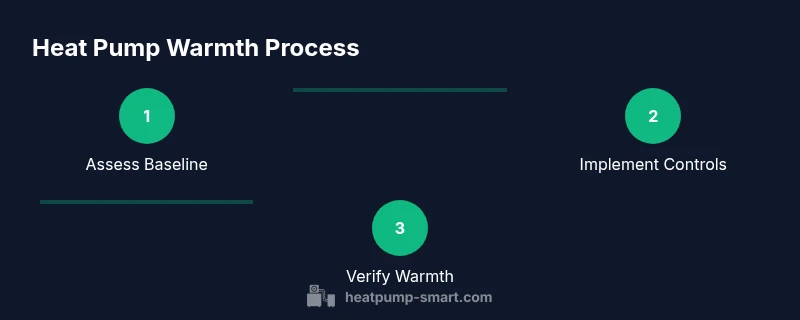
To make a heat pump feel warmer, start with thermostat optimization, proper airflow, and clear outdoor unit clearance. Increase indoor warmth by improving insulation and sealing leaks, and use auxiliary heat only when necessary. This quick guide outlines practical steps to boost comfort without wasting energy, while keeping system efficiency intact.
how to make heat pump warmer: Fundamentals
Heat pumps move heat rather than generate it, trading energy efficiency for warmth. In cold weather, the system may rely on auxiliary heat to reach comfortable indoor temperatures. The warmth you feel depends on several interrelated factors: thermostat settings, air distribution, insulation, and outdoor conditions. By addressing these areas in a structured way, homeowners can make a heat pump feel noticeably warmer without pushing energy bills higher. This section explains the core concepts behind warmth production, the limits of a heat pump in very cold climates, and the role of auxiliary heat as a controlled supplement rather than a default setting. Heatpump Smart emphasizes that understanding how these elements interact is the first step toward reliable winter comfort.
Assessing baseline warmth: thermostat and settings
Your thermostat is the command center for warmth. Start by confirming the system is in heat pump mode (not conventional furnace mode) and that the setpoint aligns with the shelter’s comfort needs. If you regularly see drafts or uneven rooms, you may be trading comfort for energy costs. Enable features that optimize performance, such as two-stage heating, smart scheduling, and adaptive fan speeds. Avoid aggressive setback strategies that leave rooms cold when you return home, as re-warming can cost more energy than maintaining a steady temperature. Small adjustments here can yield noticeable improvements in perceived warmth without heavy energy use. Heatpump Smart guidance suggests using a consistent temperature strategy during extreme weather to minimize dramatic swings.
Improve indoor air distribution: airflow, vents, and indoor layout
Even a high-efficiency heat pump struggles to feel warm if air can’t circulate properly. Ensure vents are open and unblocked, and distribute heat evenly by rearranging furniture away from supply registers. In winter, run ceiling fans on low in the reverse direction to push warm air down and keep rooms comfortable. Use a zoned approach if your home supports it to avoid overheating unoccupied spaces while keeping living areas toasty. Regularly cleaning or replacing filters helps maintain steady airflow and consistent warmth. A well-balanced system delivers warmth where you want it, not just where the system naturally heats.
Check outdoor unit and defrost cycles
The outdoor unit is the heat engine’s cold face, so keeping it clean and free of snow, ice, and overgrown vegetation is essential for warmth delivery. Clear a three-foot perimeter around the unit and remove any debris that could block air intake. During freezing weather, the defrost cycle temporarily reduces heating output; this is normal, but prolonged cycling can feel like reduced warmth inside. If the unit begins defrosting very frequently, there may be airflow restrictions or icing that requires a service check. A clean, unobstructed outdoor unit helps maintain steady warmth indoors.
Insulation and building envelope boosts warmth
Insulation plays a pivotal role in how warm a home feels with a heat pump. Check attic, wall, and floor insulation levels and seal typical leakage points around windows, doors, and penetrations. Weatherstripping and door sweeps are inexpensive fixes that dramatically reduce warm-air leakage. Consider upgrading windows or adding secondary glazing in especially cold areas to preserve warmth without forcing the heat pump to work harder. Heatpump Smart notes that improving the building envelope often yields warmer interiors with less energy consumption because the system isn’t fighting against escaping heat.
Supplemental heat options: when and how to use auxiliary heat
Auxiliary or backup electric resistance heat is effective at very low outdoor temperatures but is less efficient than the heat pump. Use it strategically—for brief periods during extreme cold or during lengthy rapid warm-ups—to maintain comfort while the heat pump does the heavy lifting. If you rely on auxiliary heat frequently, review thermostat settings to ensure it activates only when needed and that your home’s insulation remains adequate. A well-timed supplement can keep rooms warm without a dramatic jump in energy costs, especially when paired with a smart thermostat that sequences heat source use.
System maintenance that matters: filter, refrigerant checks, and callouts
Regular maintenance is a cornerstone of warmth. Change filters every 1-3 months during heavy use to sustain airflow and comfortable temperatures. Schedule professional refrigerant checks and coil cleaning if you notice reduced heating performance or unusual frost buildup. Listen for unusual noises, buzzing, or reduced airflow—these can be early signs of problems that affect warmth. Proactive maintenance prevents heat loss due to inefficiency and helps your system operate at peak warmth every day.
Practical upgrades that help in cold climates
If your climate regularly dips below your system’s comfort threshold, consider upgrades that improve warmth, such as a higher-efficiency heat pump with cold-climate ratings, a higher HSPF unit, or a zoned heating approach. Smart thermostats with geofencing and adaptive scheduling can improve perceived warmth by reducing cold spots and avoiding unnecessary heat losses. Insulation enhancements, upgraded ducts, and sealing leaks around attic hatches or crawlspaces are often cost-effective improvements that yield warmer homes and lower operating costs over time. Heatpump Smart guidance stresses matching system upgrades to climate and home construction for maximum warmth.
Safety and energy tips for winter operation
Safety should always accompany warmth. Ensure detectors are functioning, electrical panels are not overloaded, and outdoor units remain clear of snow. Use space heaters sparingly and never leave them running unattended in occupied spaces. Maintain a consistent indoor temperature to avoid frequent cycling of auxiliary heat, which can drive up energy use. By combining safety practices with warmth strategies, you protect occupants while enjoying a more comfortable home.
Next steps and when to call a pro
If warmth remains elusive after implementing these steps, scheduling a professional assessment is wise. A technician can verify refrigerant levels, diagnose defrost issues, and inspect ductwork for leaks. For older homes or extreme climates, a design review may reveal opportunities for insulation upgrades or system replacements that dramatically improve warmth and efficiency. Heatpump Smart recommends a proactive plan: start with simple fixes, monitor results, and bring in a pro if needed.
Tools & Materials
- Programmable/Smart thermostat(Ensure it supports heat pump mode and two-stage control; set schedules for consistent temps.)
- Weatherstripping and door sweeps(Seal leaks at doors, windows, and overhead access to reduce warmth loss.)
- Duct sealant or mastic(Air-seal accessible ducts; look for gaps around joints and connections.)
- Insulation materials (batts, spray foam, or blankets)(Target attic, crawlspace, and walls with low insulation levels.)
- Outdoor unit brush or gentle cleaning tool(Clear debris and fluff from fins; avoid aggressive scraping that can damage coils.)
- Ventilation adjustments (registers and diffusers)(Keep an open path for air distribution; reposition furniture to avoid blockages.)
- Space heater (as temporary supplement)(Use only with caution and supervision; never leave unattended.)
- CO detectors and smoke detectors(Ensure safety when using supplemental heat sources and during electrical work.)
Steps
Estimated time: 3-6 hours
- 1
Check thermostat and mode
Verify the thermostat is in heat pump mode and setpoint is appropriate for current conditions. Ensure adaptive or intelligent scheduling is enabled to minimize thermal swings. A mis-set mode or overly aggressive setback can make rooms feel cooler than intended.
Tip: Keep a stable setpoint during prolonged cold periods to prevent frequent cycling. - 2
Adjust thermostat for efficiency
Tune the heat curve or fan settings if your thermostat supports it. A slightly higher fan speed can improve perceived warmth by circulating air evenly, while leafing toward energy-saving presets may reduce comfort if temperatures drop.
Tip: Avoid 'auto' to 'on' fan mode switches that create drafts; test both to see which feels warmer. - 3
Open and optimize air distribution
Ensure supply vents are open and unobstructed; rearrange furniture to avoid blocking air flow. In winter, a slow, constant airflow often feels more comfortable than sporadic bursts of warm air.
Tip: Use ceiling fans in reverse direction on low to push warm air downward without creating a wind chill. - 4
Seal leaks around the home
Identify gaps around doors, windows, and attic hatches with a simple candle or incense test. Apply weatherstripping and caulk where needed to reduce warm-air loss and improve overall warmth.
Tip: Prioritize the largest leaks first; multiple small leaks add up to noticeable warmth loss. - 5
Seal and insulate ducts
Inspect ducts for obvious gaps; seal joints with mastic and insulate where accessible. Leaky ducts waste energy and can prevent rooms from warming evenly.
Tip: Focus on ducts running through unconditioned spaces to maximize gains in comfort. - 6
Boost insulation where practical
Add insulation to attic spaces or around crawlspaces if accessible. Improved envelope reduces heat transfer to outdoors and helps the heat pump maintain steady indoor temperatures.
Tip: Even modest insulation upgrades can yield noticeable warmth improvements in a single season. - 7
Clear the outdoor unit and verify clearance
Remove snow, ice, and debris from around the outdoor unit; maintain roughly a 3-foot clearance. Debris can degrade performance and reduce warmth delivered indoors during cold snaps.
Tip: Check for ice buildup on coils—if present, call a pro rather than attempting a DIY fix. - 8
Evaluate supplemental heat timing
Plan when to allow auxiliary heat during cold days. Use it sparingly to support warmth without inflating energy costs; sequence with the heat pump for best efficiency.
Tip: Program emergency heat to activate only when outdoor temperatures truly demand it. - 9
Schedule regular maintenance
Book seasonal service to verify refrigerant levels, coil cleanliness, and overall system health. Regular tune-ups help prevent warmth loss due to inefficiency.
Tip: Keep a maintenance calendar; small reminders reduce the risk of neglect. - 10
Consider professional improvements
If warmth remains insufficient, consult a professional about system upgrades, zoning, or adding a more capable heat pump designed for your climate. A design review can yield long-term warmth and savings.
Tip: Avoid DIY refrigerant work; trust licensed technicians for safety and compliance.
Your Questions Answered
Why might my heat pump feel cool even when the thermostat is high?
A cool feel can result from airflow restrictions, poor insulation, or oversized temperature setbacks. Check thermostat mode, airflow, and leaks first, and consider a professional evaluation if warmth remains elusive.
If your heat pump feels cool despite a high setting, start by checking airflow and insulation, then consider a professional check for leaks or equipment issues.
Should I always use auxiliary heat in winter?
Auxiliary heat is effective during very cold periods but is less efficient and more costly. Use it sparingly and let the heat pump handle most heating whenever outdoor temperatures permit.
Auxiliary heat should be used only when necessary; rely on your heat pump as the primary heat source to save energy.
How can I improve warmth without major renovations?
Start with thermostat tuning, air-sealing leaks, and duct sealing. Small insulation upgrades and vent adjustments can also noticeably improve warmth without large costs.
Small tweaks like sealing leaks and adjusting vents can make a big difference without big renovations.
What maintenance helps warmth the most?
Regular filter changes, coil cleaning, and scheduled professional checks keep airflow high and efficiency up, which translates to steadier warmth.
Regular filters and clean coils keep warmth steady and the system efficient.
When should I call a pro for warmth issues?
Call a pro if warmth remains inconsistent after basic fixes, if you notice ice buildup on coils, or if you suspect refrigerant or duct problems. A licensed technician can diagnose safely.
If warmth remains inconsistent after DIY fixes or you see coil ice, contact a licensed technician.
Can insulation upgrades help even if my heat pump is new?
Yes. A well-insulated home reduces heat loss, letting your heat pump operate at lower loads and maintain warmth more consistently.
Even new systems benefit from good insulation to keep warmth steady.
Watch Video
Top Takeaways
- Optimize thermostat settings and maintain steady temperatures.
- Ensure air distribution is unblocked and vents are positioned for even warmth.
- Seal leaks and improve insulation to reduce heat loss.
- Use auxiliary heat selectively and maintain yearly system maintenance.