How to Use Heat Pump: Step-by-Step Guide for Home Comfort
Learn how to use heat pump systems effectively for year-round comfort and energy savings. This guide covers modes, thermostat strategies, maintenance, and common pitfalls to avoid in 2026.


According to Heatpump Smart, learning how to use heat pump effectively starts with selecting the right mode, setting comfortable yet efficient temperatures, and performing simple maintenance. In practice, you’ll switch between heating and cooling as needed, use auxiliary heat sparingly, and schedule routine filter changes. Follow these steps to maximize comfort and energy savings in 2026.
How heat pumps work in simple terms
A heat pump transfers heat rather than generates it, moving energy from outside to inside (or vice versa) using a refrigerant cycle. In heating mode, the outdoor coil absorbs heat from the air, even when it’s cold, and releases it inside through the indoor coil. In cooling mode, the process reverses, moving heat from indoors to the outdoors. The efficiency, or COP (coefficient of performance), improves when the system operates at moderate outdoor temperatures and when the home is well insulated. Heatpump Smart analysis emphasizes matching system capacity to your climate, choosing high-efficiency models, and avoiding oversized units that waste energy. Regular maintenance helps sustain performance and comfort.
Key components and what they do
A typical heat pump includes an outdoor compressor/condenser, an indoor air handler, suction and discharge refrigerant lines, an inverter-driven compressor (for variable speed), and a smart thermostat or control system. The outdoor unit absorbs ambient heat; the refrigerant cycle moves that heat inside. The indoor unit distributes air through your vents, while the reversing valve switches between heating and cooling. For best results, ensure proper clearances around both units and install a duct layout that minimizes resistance. Maintenance of coils, filters, and electrical connections keeps efficiency high and reduces the risk of malfunctions. Heatpump Smart notes that proper thermostat integration and occasional professional checkups are key to long-term performance.
How to choose the right heat pump for your home
Start by assessing climate, home insulation, and existing ductwork. For colder climates, look for units designed for heat in low ambient temperatures and consider auxiliary heat as a backup option. Ductless mini-splits suit homes without ducts, while ducted systems are efficient for larger layouts. Check efficiency ratings (SEER for cooling, HSPF for heating) and ensure an appropriate COP rating. Compare Energy Star models and verify compatibility with your current thermostat and hot-water setup. A properly sized system avoids short cycling and excessive runtime, delivering steady comfort and savings. Heatpump Smart recommends consulting a licensed pro to conduct a load calculation and guide you toward the best option for your home.
How to use heat pump in heating mode effectively
Set the thermostat to Auto and pick a comfortable baseline that allows the system to modulate rather than run at full power constantly. Use a setback/approach strategy: when you’re away or asleep, raise or lower temperature gradually (not abruptly) to minimize energy use while maintaining comfort. Keep interior doors open to improve airflow and reduce hot or cold spots. Use the fan mode to distribute air evenly during long heating cycles and ensure ductwork is sealed and insulated. Consider installing zoning if your home has varying thermal loads across rooms. Heatpump Smart emphasizes scheduling, occupancy-based adjustments, and correct thermostat calibration for peak comfort.
How to use heat pump in cooling mode and dehumidification
During warm months, set the system to Auto and maintain a comfortable indoor temperature that minimizes compressor cycling. Use dehumidification by enabling dry mode if available, or setting higher humidity control via the thermostat. Ensure the outdoor unit is clear of debris and that vents remain unobstructed. If you notice excessive humidity or poor cooling performance, inspect refrigerant lines for leaks (a licensed tech should handle any refrigerant work). Regularly clean or replace filters to keep airflow strong and cooling efficiency high. Heatpump Smart highlights the value of proper airflow and humidity management for year-round comfort.
Energy efficiency and thermostat strategies
Energy efficiency grows when the heat pump operates at an efficient COP and when the thermostat is set to adaptive, occupancy-aware values. Programmable or smart thermostats can learn routines and optimize energy use by adjusting temperatures slightly up in winter or down in summer when occupants are away. Use separate schedules for weekdays and weekends to reflect actual occupancy. Maintain a moderate indoor temperature differential between day and night to reduce load. Consistent maintenance, clean filters, and clean coils help keep efficiency from slipping. Heatpump Smart analysis notes that climate, system sizing, and control strategies all shape the savings potential.
Maintenance and troubleshooting basics
Regular maintenance supports reliability and efficiency. Check and replace air filters every 1–3 months, depending on use and household conditions. Keep outdoor coils clean and clear of debris, and ensure there’s adequate clearance around the unit. Listen for unusual noises or cycling patterns that may indicate a refrigerant issue or airflow restriction. If the system won’t start or fails to heat/cool adequately, verify thermostat settings, circuit breakers, and fuses first, then contact a licensed technician. A simple annual inspection can catch leaks, refrigerant issues, and electrical faults before they escalate. Heatpump Smart advises documenting service visits and keeping a log of performance changes to track reliability.
Practical installation tips and common pitfalls
If you’re installing or upgrading, ensure correct sizing, proper ductwork, and appropriate refrigerant charge. Avoid oversized units which cycle on/off too frequently, causing wear and comfort fluctuations. Seal and insulate ducts to minimize losses, and position the outdoor unit to maximize airflow and minimize exposure to snow or debris. Use a compatible thermostat and app for remote monitoring. Common pitfalls include improper pivoting of the reversing valve, neglecting thermostat calibration, and skipping seasonal maintenance. Following best practices reduces outages and improves perceived comfort.
Tools & Materials
- Smart thermostat or thermostat-compatible controls(For scheduling, remote adjustments, and mode control)
- Air filters (spare set)(Replace per manufacturer guidance (typically every 1–3 months))
- Digital thermometer or smart device(For accurate temperature checks and zoning verification)
- Screwdriver set (Phillips and flathead)(For access panels or basic wiring checks if present in manual)
- Measuring tape(For space planning around outdoor unit and duct runs)
- Safety gear (gloves, eye protection)(Protection during inspection or filter replacement)
- Owner’s manual / model-specific installation guide(Consult for wiring, mode names, and service intervals)
- Voltage tester / multimeter(Check circuits if doing DIY adjustments (only if qualified))
Steps
Estimated time: 60-90 minutes
- 1
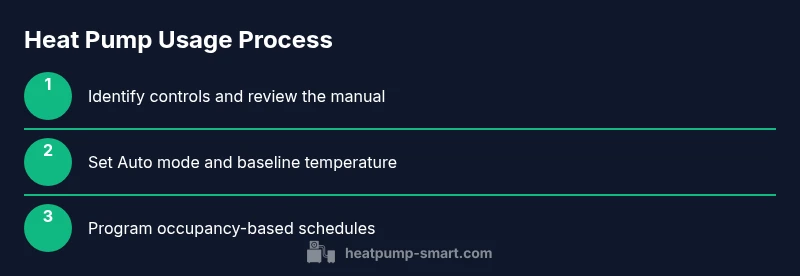
Identify controls and read the manual
Locate the thermostat and the indoor/outdoor units. Review mode labels (heat, cool, auto, emergency heat) and understand how the system modulates output. This creates a baseline so you can use the right mode confidently.
Tip: Keep the user manual accessible and note any unique controls for your model. - 2
Set Auto mode and establish a baseline temperature
Configure the thermostat to Auto so the heat pump modulates automatically. Set a baseline indoor temperature (e.g., 68–72°F / 20–22°C) and adjust gradually to find comfort with minimal short cycling.
Tip: Avoid large swings in temperature; small adjustments reduce energy use. - 3
Create occupancy-based schedules
Program or learn a schedule that aligns with daily routines. Lower heating when the house is empty or at night, and raise it slightly before people wake or return. This minimizes energy use without sacrificing comfort.
Tip: Use smart scheduling that adapts to weekends and holidays. - 4
Manage heating vs cooling transitions
When seasons shift, adjust mode before outdoor temperatures spike. Avoid forcing the system into extremes; let the heat pump operate in its efficient mid-range temperatures.
Tip: If outdoor temps are near 0°C (32°F) or higher, monitor performance and consider backup heat defaults. - 5
Use auxiliary heat sparingly
Auxiliary or emergency heat provides rapid warmth but consumes more energy. Enable it only when the outdoor temperature is very cold or when indoor comfort is temporarily unsatisfied by the heat pump alone.
Tip: Keep a log of how often auxiliary heat engages to gauge efficiency gains over time. - 6
Optimize airflow and vent placement
Ensure vents aren’t blocked and rooms have even airflow. In ducts, seal leaks and insulate where needed to prevent energy losses and uneven temperatures.
Tip: Consider zoning to address temperature differences across large homes. - 7
Monitor performance and adjust seasonally
Track indoor comfort, humidity, and bill changes month to month. Fine-tune thermostat presets and schedules as seasons evolve to maintain efficiency.
Tip: Use trends in energy bills to identify when to recalibrate settings. - 8
Schedule maintenance and keep a log
Set annual professional inspections and keep notes on filter changes, coil cleanliness, and any unusual performance. A maintenance log helps catch issues early.
Tip: Note the date of last service and the observed performance changes.
Your Questions Answered
What is a heat pump and how does it differ from a furnace?
A heat pump moves existing heat rather than generating it through combustion. In heating, it extracts heat from outdoors and delivers it indoors; in cooling, it reverses the cycle. This makes it more energy-efficient in many climates compared to traditional furnaces that burn fuel.
A heat pump transfers heat rather than creating it by burning fuel, which often makes it more energy-efficient in many homes.
Can a heat pump heat a large home in winter?
Yes, but effectiveness depends on climate, insulation, and system sizing. In very cold climates, pairing with auxiliary heat or a dual-fuel setup can maintain comfort reliably.
A heat pump can heat a large home in winter, but in very cold areas you may need backup heat or a larger system.
What maintenance does a heat pump require?
Regular filter changes, coil cleaning, filter checks, and an annual professional inspection are essential for efficiency and reliability.
Keep filters clean and schedule annual professional checkups to maintain performance.
What thermostat works best with a heat pump?
A thermostat with heat-pump controls (including O/B reversing valve support) and smart scheduling delivers the best comfort and efficiency.
Choose a thermostat designed for heat pumps with good scheduling features.
Is a heat pump more expensive to install than a furnace?
Initial costs can be higher, especially if ductwork or zoning needs upgrading. Long-term savings from energy efficiency often offset the upfront expense.
Initial costs may be higher, but long-term energy savings can offset them.
What does COP mean and why is it important?
COP stands for coefficient of performance. A higher COP indicates greater efficiency, meaning more heat is produced per unit of energy consumed.
COP shows efficiency—the higher, the better for energy use.
Watch Video
Top Takeaways
- Learn how a heat pump moves heat and uses modulation for efficiency
- Choose correctly sized, high-efficiency models for your climate
- Use auto mode and occupancy-based schedules to save energy
- Maintain filters, coils, and airflow to preserve performance
- Consider zoning and professional maintenance for long-term comfort