Troubleshooting Short Cycling Heat Pumps: A Practical Guide
Urgent guide to diagnosing and fixing short cycling heat pumps. Learn common causes, quick checks, and step-by-step fixes to restore comfort and efficiency.


Short cycling heat pump is when the unit repeatedly starts and stops before reaching the set temperature, wasting energy and causing comfort swings. The fastest fixes start with basic checks: clean or replace the air filter, ensure returns and vents are open, and verify thermostat settings. If unresolved, a professional inspection should verify refrigerant charge and electrical components.
Understanding Short Cycling: Why It Happens
A short cycling heat pump occurs when the system turns on and off repeatedly before achieving the desired temperature. This behavior wastes energy, increases wear on components, and makes rooms feel uneven. According to Heatpump Smart, airflow and thermostat issues are the most common culprits, and most quick fixes begin with simple, user-accessible checks. Recognizing this pattern early helps homeowners protect efficiency and extend equipment life, especially in mission-critical spaces like living rooms and home offices. The problem is not just a comfort issue; prolonged short cycling can stress compressors and reduce system reliability over time. If you notice unusually short cycles, start with the easiest fixes and escalate when necessary.
Common Causes and Quick Checks
There are several frequent triggers for short cycling heat pumps. Start with the simplest checks first:
- Dirty or blocked air filter reduces airflow and triggers premature shutoffs.
- Blocked or closed return vents restrict air reaching the evaporator.
- Thermostat miscalibration or incorrect wiring can send false signals to the outdoor unit.
- Refrigerant issues or leaks, while less common, can cause rapid cycling when pressure sensors react to improper charge.
- Electrical components (contactor, capacitors) or a loose wire connection can create intermittent starts and stops.
- Sizing or installation issues, such as an oversized unit, can lead to short cycles in certain conditions.
If airflow and thermostat checks don’t resolve the problem, consider professional inspection to verify refrigerant and electrical integrity.
Easy Fixes You Can Try Today
Tackle these fixes before calling for service:
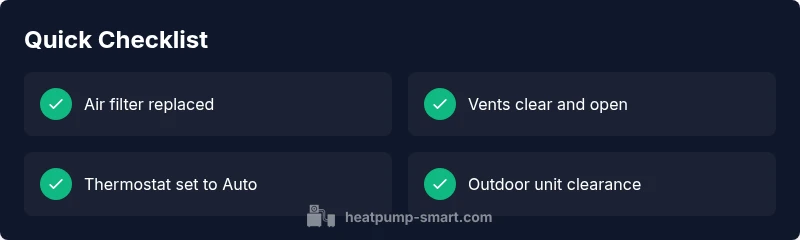
- Replace or clean the air filter and ensure the air return paths are clear.
- Inspect supply and return vents to confirm they are open and unobstructed.
- Check the thermostat for correct mode (Auto), correct temperature setting, and any energy-saving or setback features that could trigger rapid cycling.
- Confirm outdoor unit clearance and remove any debris or snow build-up that restricts airflow.
- If you hear unusual clicks or the unit repeatedly restarts, avoid forcing a reset; note the pattern for the technician.
If the problem persists after these steps, it may require more advanced checks like refrigerant level assessment or electrical diagnostics.
Thermostat, Controls, and Defrost: The Silent Triggers
Thermostat issues are a frequent cause of short cycling. Misread room temperature, sensor placement near heat sources, or a faulty outdoor sensor can cause the system to misinterpret demand. Defrost cycles in heat pump systems can also mimic cycling if outdoor temperatures fluctuate or if sensors are out of calibration. Review thermostat calibration, relocate sensors if needed, and ensure the defrost control isn’t engaging unnecessarily. In many cases, a simple reconfiguration of control settings eliminates the cycling.
Airflow and Ventilation: Keeping the System Restful
Airflow problems are a recurring culprit because the evaporator coil must stay within a narrow temperature band to perform efficiently. Ensure that
- Ducts are clean and unobstructed;
- Filters are changed regularly;
- Vents in living spaces and return grills are not blocked by furniture or drapes;
- The equipment room has adequate clearance around the outdoor unit for proper heat exchange. Poor airflow causes the system to short-cycle as it struggles to reach setpoint, so keeping a clean, open airflow path is essential.
Refrigerant, Electrical Safety, and When to Call a Pro
Low refrigerant charge or leaks can trigger abnormal cycling as sensors detect incorrect pressure. Do not attempt to add refrigerant yourself; refrigerant handling requires licensed technicians and proper recovery equipment. Electrical issues, such as a failing contactor or loose wiring, can also cause intermittent starts. If you suspect refrigerant problems or see buzzing at the contactor, schedule a professional assessment promptly to prevent compressor damage.
Diagnostic Flow: A Practical Look at Short Cycling
Diagnosing short cycling involves a few key checks in a logical order. Start with basics (airflow, thermostat, and simple controls), then rule out airflow restrictions, dirty sensors, and incorrect settings. If symptoms persist, verify refrigerant integrity and inspect electrical components. A systematic approach minimizes guesswork and helps the technician pinpoint root causes efficiently when you call for help.
Prevention: Practical Tips to Stop Short Cycling
Prevention focuses on consistent maintenance and correct sizing. Schedule regular filter changes, seasonal inspections, and thermostat calibration. Ensure proper duct design and sealing, especially in retrofit projects. When installing a heat pump, obtain load calculations and professional sizing to avoid oversizing or undersizing that can provoke short cycles. Heatpump Smart recommends proactive maintenance as the best defense against recurring short cycling.
Quick Troubleshooting Summary for Homeowners
To recap, start with airflow and thermostat checks, then move to defrost controls and airflow patterns. Avoid DIY refrigerant work and call a licensed pro for refrigerant or electrical concerns. Document cycle times and notes for the technician to speed up diagnosis, especially if the problem is intermittent or seasonal.
Steps
Estimated time: 45-60 minutes
- 1
Verify symptom and safety
Confirm the unit is cycling abnormally and note how long each on/off cycle lasts. Check for obvious safety issues (exposed wiring, water intrusion, burning smells). This step establishes a baseline before any tool-based checks.
Tip: Take notes of cycle times to share with a technician. - 2
Inspect and replace air filter
Power off the unit if accessible and remove the filter. Clean or replace with a filter matching the furnace/air handler specifications. A clean filter often resolves airflow-related short cycling.
Tip: Use the correct filter MERV rating; avoid over-tightening filter frames. - 3
Check returns, vents, and outdoor clearance
Ensure return grills are unobstructed and all supply vents are open. Inspect the outdoor unit for leaves, snow, or debris that block airflow. Adequate airflow is essential for stable cycling.
Tip: Trim nearby vegetation and keep at least 2 feet of clearance. - 4
Review thermostat and control settings
Set mode to Auto, confirm the temperature is not set with an extreme setback, and disable any energy-saving features that could trigger rapid cycling during testing. If the unit has multiple stages, ensure correct stage selection.
Tip: Reset the thermostat to factory defaults if unsure about settings. - 5
Observe cycling after fixes
Turn system back on and monitor for several cycles to see if the issue persists. Note if defrost cycles or weather changes correlate with cycling behavior.
Tip: Record cycle length and frequency for the technician. - 6
Escalate when fixes fail
If cycling continues, schedule a professional service to inspect refrigerant, electrical components, and duct design. Proper diagnosis requires specialized tools and training.
Tip: Never attempt refrigerant handling yourself; it is illegal in many jurisdictions.
Diagnosis: System starts and stops repeatedly before reaching set temperature
Possible Causes
- highDirty or restricted air filter
- highBlocked or closed return vents
- highThermostat issues or miscalibration
- mediumRefrigerant charge problems or leaks
- mediumElectrical issues or faulty contactor/relays
- lowIncorrectly sized equipment or ducting
Fixes
- easyReplace or clean the air filter and ensure airflow pathways are clear
- easyOpen and clear all return vents and supply grilles; remove obstructions
- easyVerify thermostat settings, switch to Auto mode, and correct temperature offsets
- mediumIf refrigerant issues are suspected, call a licensed technician for inspection; do not attempt to charge refrigerant
- mediumInspect electrical components (contactor, capacitors); reset breakers if safe to do so
- hardConsult a pro to assess sizing/duct design and perform a load calculation
Your Questions Answered
Why does my heat pump short cycle?
Short cycling often results from airflow problems, thermostat misreads, or control issues. It can also stem from refrigerant or electrical faults, which require professional diagnosis.
Short cycling usually comes from airflow or control issues, but refrigerant or electrical faults need a pro.
Is short cycling harmful to my unit?
Yes. Frequent starts and stops increase wear on compressors and relays, reduce efficiency, and can shorten system life if left unaddressed.
Yes, it can wear out components faster and waste energy if not fixed.
Can a dirty filter cause short cycling?
A clogged filter restricts airflow, causing the coil to overheat or not absorb heat properly, which can trigger short cycling as the system struggles to reach setpoint.
Yes, a dirty filter can cause the system to cycle on and off quickly.
Should I fix this myself or hire a pro?
Start with safe, non-invasive checks (filters, vents, thermostat). For refrigerant, electrical work, or persistent cycling, hire a licensed technician for safety and code compliance.
Begin with safe checks; for refrigerant or electrical issues, call a pro.
What is a normal cycle time for a heat pump?
Normal cycles vary by system and outdoor conditions, but frequent, very short cycles indicate a potential issue that should be inspected.
Cycle time varies; if cycles are unusually short, get a check.
Can defrost cycles cause short cycling?
Defrost cycles are normal in cold weather; if the defrost control runs excessively or at the wrong times, it can appear like short cycling and needs adjustment.
Defrost cycles are normal but improper timing can mimic short cycling.
When should I call Heatpump Smart for help?
If you’ve completed basic checks and the unit still cycles rapidly, contact Heatpump Smart for guidance and to locate a qualified technician.
If cycling persists after basic checks, contact Heatpump Smart for next steps.
Watch Video
Top Takeaways
- Inspect airflow first: clean filters and open vents.
- Calibrate and test the thermostat settings.
- Avoid DIY refrigerant work; call a licensed pro.
- Schedule professional checks for refrigerant and electrical components.
- Prevent short cycling by regular maintenance and proper sizing.