Why Does My Heat Pump Stop and Start? Troubleshooting Guide
Learn how to diagnose why your heat pump stops and starts. This urgent, step-by-step troubleshooting guide covers common causes, quick fixes, professional checks, and a maintenance plan from Heatpump Smart.


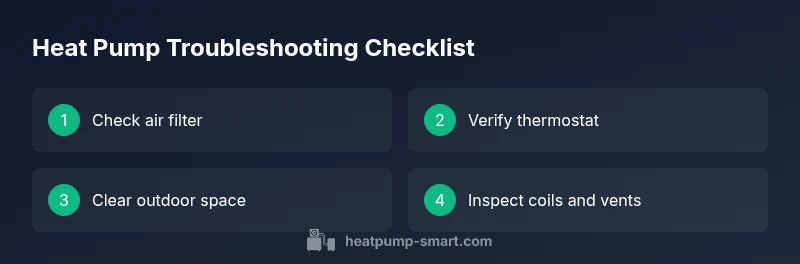
Short cycling or frequent stopping and starting usually points to simple causes you can fix now. In most homes the culprits are a dirty air filter, a misread thermostat, or restricted outdoor airflow. Quick fixes: replace or clean the air filter, verify thermostat settings and battery, and clear debris around the outdoor unit. If cycling continues, use the diagnostic flow below.
Why heat pumps short-cycle and stop-start behavior happens
Heat pumps are designed to run in efficient, measured cycles to meet demand. When you notice frequent stops and starts, it's generally short cycling. According to Heatpump Smart, the most common causes are airflow restrictions, thermostat misreads, or outdoor unit ventilation problems. Poor airflow increases pressure and triggers protective shutdowns, while a faulty thermostat can signal demand inaccurately. Outdoor obstructions or dirty coils also force the system to restart prematurely. In this section, we break down the top causes, how to test for them, and safe fixes you can try today.
- Quick checks: verify air intake, check outdoor space, and confirm thermostat behavior.
- If uncertain, stop and call for professional help to avoid damage to the compressor.
Immediate checks you can perform today
Start with the simplest checks before any tools or professional help. First, inspect the air filter: a clogged filter reduces airflow and makes the heat pump cycle more often. If dirty, replace with the correct size. Next, verify thermostat settings and accuracy: ensure it’s not set to a temperature that triggers rapid cycling, and replace batteries if needed. Check the outdoor unit’s surroundings: remove debris, trim vegetation, and ensure at least 2 feet of clearance. Finally, listen for unusual sounds or blinking indicator lights on the indoor unit that might point to a control issue. These quick checks can often resolve or reveal the next step.
Tip: Keep a simple log of when cycles happen to identify patterns (time of day, outdoor temperature, or mode).
Airflow and ductwork: how dirty coils or blocked outdoor unit trigger cycling
Restricted airflow is a top culprit for short cycling. A dirty air filter, clogged vents, or a dirty indoor coil reduces heat transfer and makes the system start/stop more often. The outdoor condenser also needs free airflow; leaves, snow, or tall landscaping can choke performance. Inspect ducts for obvious leaks and seal them; ensure registers are open. If airflow remains poor, you may have an efficiency problem that requires cleaning or component replacement.
Action steps include cleaning filters, inspecting ducts for leaks, and ensuring the outdoor unit has clear space for proper heat exchange.
Electrical and controls: relays, capacitors, thermostat readings
Electrical faults and faulty control signals can mimic simple issues like a dirty filter. Inspect for loose wires, tripped breakers, and visible damage to the outdoor disconnect or indoor control board. A failing capacitor or relay can cause cycling irregularities and shorten compressor life. If you suspect control issues, measure voltages only if you are qualified to do so. When in doubt, call a licensed technician to test sensors, relays, and the control board.
Defrost cycles and cold weather considerations
In colder weather, your heat pump periodically enters defrost mode to clear ice from the outdoor coil. This is normal but can feel like cycling if the defrost cycle lasts longer than usual or recurs rapidly. If outdoor temperatures are near or below freezing and you notice frequent defrost cycles, ensure your system settings align with outdoor conditions and that there is adequate insulation and duct sealing indoors. If defrost seems excessive, a service check may be needed to verify control timing and sensor inputs.
Refrigerant issues: signs of leak and why you should not DIY recharge
Low refrigerant or a leak is a serious issue that can cause short cycling and poor heating performance. Unlike air leaks, refrigerant problems require a licensed HVAC professional trained to handle refrigerants safely and legally. Signs of a leak include oil residue near connections, hissing sounds, or reduced cooling/heating capability. Do not attempt to recharge refrigerant yourself; this can be dangerous and may violate regulations.
Sensor and control board checks
Temperature sensors inside the air handler and the outdoor unit must read accurately to maintain proper cycling. Misreadings can cause the system to overshoot or undershoot temperatures, triggering rapid on/off cycling. Control boards can also misbehave due to age, moisture, or power surges. If you notice inconsistent temperatures or odd error codes, a professional inspection can identify faulty sensors or boards and replace defective components.
Seasonal tips and best practices to minimize cycling
Seasonal changes can cause cycling if air leaks, poor insulation, or duct issues exist. Seal leaks, add insulation where needed, and keep doors and windows closed during heating or cooling cycles. Consider upgrading to a smart thermostat with adaptive scheduling to reduce unnecessary cycling and improve overall efficiency. Regular maintenance before peak seasons helps prevent recurring short cycling.
When to call a professional and maintenance plan
If simple fixes do not resolve the cycling, or you suspect refrigerant leaks, electrical faults, or defective sensors, contact a licensed HVAC technician. Schedule a maintenance visit twice a year (before winter and before summer) to clean coils, check refrigerant levels, inspect electrical components, and test safety switches. A proactive maintenance plan reduces unexpected cycling and extends equipment life.
Steps
Estimated time: 60-90 minutes
- 1
Power down and prep
Turn off the heat pump at the thermostat and breaker. Confirm it is safe to inspect. Gather a flashlight and a clean area to work.
Tip: Use lockout guidelines to prevent accidental re-energizing. - 2
Check and replace the air filter
Remove the old filter, check its size, and install a new one. Run the system briefly to see if cycling improves.
Tip: Make sure the filter is properly oriented with airflow arrows. - 3
Verify thermostat operation
Check that the thermostat is set correctly for heating or cooling. Replace batteries if needed and consider a calibration test.
Tip: If the thermostat is old or unresponsive, upgrade to a programmable/connected model. - 4
Inspect outdoor unit and vents
Clear leaves, snow, and other obstructions. Ensure the unit has several inches of clearance on all sides and the fins are clean.
Tip: Keep vegetation trimmed and avoid storing items nearby. - 5
Check indoor airflow and ducts
Ensure registers are open and leaks are unlikely. Inspect for obvious duct damage and seal any gaps.
Tip: A small leak can reduce system performance and cause cycling. - 6
Inspect electrical connections
Looks for loose wires, burnt smells, or tripped breakers near the disconnect. Only perform if you are qualified to handle electrical systems.
Tip: Never touch live wires; call a pro if you see damage. - 7
Observe defrost cycle behavior
In cold weather, observe whether defrost is cycling normally and completing. If cycles are long or frequent, it may indicate a control issue.
Tip: Defrost timing varies by model; consult the user manual for default timings. - 8
Assess refrigerant status
Only a licensed tech should check refrigerant levels or leaks. A drop in refrigerant typically requires repair and recharge at a shop.
Tip: Do not attempt a DIY recharge; it is dangerous and illegal in some areas. - 9
Plan maintenance and record changes
Schedule a professional maintenance visit and document all changes made during troubleshooting for future reference.
Tip: Create a simple log with dates, actions taken, and results.
Diagnosis: Heat pump stops and starts frequently or won't stay on
Possible Causes
- highAirflow restrictions (dirty filter, blocked vents, dirty coils)
- highThermostat reading or wiring issue
- highOutdoor unit obstruction or poor ventilation
- mediumLow refrigerant or refrigerant leak
- mediumElectrical components (contactor, capacitor) failing
- lowDefrost cycle due to cold outdoor temperatures
Fixes
- easyReplace or clean the air filter and clear intake vents
- easyTest thermostat readings; replace battery or faulty unit
- easyClear debris around outdoor unit and ensure 2 feet of clearance
- hardHave a licensed tech check refrigerant levels and repair leaks
- mediumInspect electrical connections and components; replace faulty parts
- easyAllow defrost cycle to complete; adjust settings if cycling persists in cold weather
Your Questions Answered
Why does my heat pump start and stop frequently?
Frequent start/stop often means an airflow, thermostat, or outdoor unit issue. Start with the air filter, thermostat check, and outdoor clearance before considering more complex problems.
Frequent cycling usually comes from airflow or thermostat problems. Start with the basics, then test the system step by step.
Can a thermostat cause short cycling?
Yes. A faulty thermostat or drained batteries can trigger misreads and rapid cycling. Replace batteries or calibrate the thermostat if possible, and consider upgrading if it’s old.
Yes. Thermostat problems can cause cycling. Check batteries and consider upgrading if it’s dated.
Is it safe to run the heat pump during a defrost cycle?
Defrost cycles are normal in winter. If they seem unusually long, check outdoor temperature settings and coil cleanliness. Persistent issues may indicate a control problem.
Defrost cycles are expected in cold weather, but very long ones should be checked by a pro.
What signals a refrigerant leak?
Oil residue near lines, hissing sounds, or reduced heating performance can indicate a refrigerant leak. This requires professional service to repair and recharge.
Oil around lines or hissing sounds can mean a refrigerant leak. A pro should handle it.
When should I call a professional for electrical issues?
If you notice sparks, burning smells, traced wires, or tripped breakers, stop and call a licensed HVAC technician. Electrical faults can be dangerous.
Call a pro if you see electrical problems; safety first.
How often should I schedule maintenance for a heat pump?
Aim for professional maintenance twice a year—before winter and before summer—and perform simple checks monthly to prevent cycling issues.
Have a pro check it twice a year and do simple monthly checks yourself.
Watch Video
Top Takeaways
- Start with simple checks to halt cycling quickly
- Airflow and thermostat issues are common culprits
- Defrost cycles under cold weather are normal but monitor duration
- Refrigerant leaks require a licensed professional
- Regular maintenance minimizes short cycling and saves energy