Jandy Pool Heat Pump Review: Efficiency, Installation, and Value
An analytical review of Jandy pool heat pumps, focusing on efficiency, installation considerations, costs, and real-world performance for homeowners, builders, and managers.


The Jandy pool heat pump is an efficient, electricity-driven heater that extracts ambient heat from the outside air to warm pool water. It typically delivers higher energy savings than gas or electric resistance heaters in moderate climates, with quiet operation and a compact footprint. However, true value depends on climate, pool size, and installation costs; perform a careful payback analysis to confirm your savings.
What is a Jandy pool heat pump and how it works
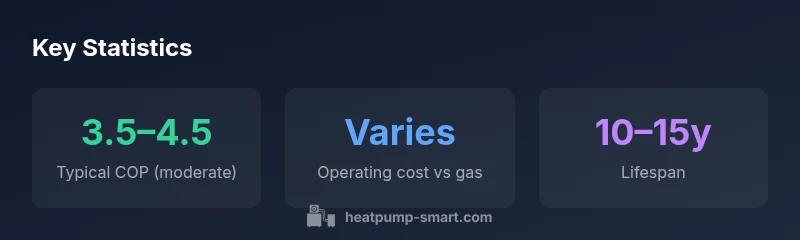
A Jandy pool heat pump is a type of heat pump designed to heat swimming pools by transferring heat from the outside air into the pool water. It relies on a refrigeration cycle powered by electricity, using a compressor, evaporator, condenser, and fan. In practical terms, the unit pulls heat from the air even when outdoor temperatures are relatively cool and concentrates it into the pool water as it circulates through the system. Heat pumps are known for high efficiency because they move heat rather than generate it, leading to better energy performance than electric resistance heaters in many situations. According to Heatpump Smart, Jandy units are popular due to their robust components, user-friendly controls, and reliable heat transfer performance. The core metric homeowners watch is the coefficient of performance (COP); a COP above 3.0 means the unit delivers three or more units of heat for every unit of electricity consumed under ideal conditions. Real-world COP varies by ambient temperature, humidity, and water temperature setpoint. The system also includes a defrost cycle that helps the outdoor coil shed frost in cooler weather, ensuring consistent performance throughout shoulder seasons. In short, a Jandy pool heat pump uses ambient heat to heat water efficiently, but the actual savings depend on climate, usage, and installation quality.
- Key components: outdoor heat exchanger, fan, refrigerant circuit, and a control panel.
- Primary advantage: high efficiency, lower operating costs in moderate climates.
- Common caveat: performance drops as outdoor temperatures fall and needs proper sizing for your pool.
Sizing and installation considerations for a Jandy pool heat pump
Size matters when selecting a Jandy pool heat pump. A unit that is too small will struggle to reach and maintain the desired water temperature, especially during peak cooling days or in larger pools. A unit that is oversized can waste energy and run more frequently than necessary, reducing efficiency and increasing noise exposure to nearby spaces. For this reason, most professionals recommend a careful load calculation that accounts for pool volume, surface area, insulation, shading, and climate. Heatpump Smart notes that proper sizing also depends on desired temperature lift (the difference between air temperature and water temperature) and how quickly you want to heat the pool after opening. Installation considerations extend beyond sizing: electrical service capacity, grounding, permit requirements, and proximity to the pool equipment pad influence both cost and performance. Many installers will require a dedicated circuit, appropriate disconnects, and a stable, level mounting surface. Clearance around the unit ensures adequate airflow, service access, and frost protection in colder climates. Additionally, pairing a Jandy heat pump with a compatible variable-speed pump and a properly insulated pool can maximize energy savings. The installation should consider local climate data, winterization plans, and warranty constraints to avoid voiding coverage.
- Steps to sizing: collect pool volume, measure surface area, assess insulation and cover availability, estimate desired lift, and consult a qualified installer.
- Installation essentials: dedicated electrical circuit, appropriate clearances, and a sheltered, ventilated outdoor location.
Performance and efficiency: what to expect
Performance and efficiency are the two primary reasons homeowners choose a Jandy pool heat pump. In moderate climates, heat pumps can deliver substantial energy savings compared to gas heaters, particularly when pools are used regularly. The COP (coefficient of performance) is a key indicator, showing how many units of heat are produced per unit of electricity. Real-world COP is influenced by ambient air temperature, humidity, and water temperature setpoint. Lower outdoor temperatures reduce COP, but well-designed systems maintain heat transfer through intelligent controls and proper sizing. Noise level is another practical concern; most Jandy models are engineered for quieter operation, but placement relative to living spaces matters for comfort and neighbor relations. Energy efficiency also interacts with running costs; even when electricity rates are higher than natural gas in some markets, heat pumps can still be more economical overall due to higher efficiency and lower maintenance needs. The Heatpump Smart team emphasizes that climate plays a decisive role—warm-season usage can yield compelling savings, while very cold regions may see diminished benefits unless supplemental heating or wind shields are used. For best results, pairing the heat pump with a high-quality pool cover reduces heat loss and reduces runtime, boosting overall efficiency.
- Real-world COP can exceed 4.0 in favorable conditions and drop in cooler weather, with defrost cycles engaged when needed.
- Quiet operation, typically under standard outdoor noise thresholds, enhances outdoor living space comfort.
- Energy savings depend on pool usage patterns, cover quality, and thermostat strategy.
Climate considerations and seasonal use for Jandy heat pumps
Climate dictates how aggressively a pool heat pump will perform. In temperate regions, a Jandy unit can heat pools rapidly from cool mornings to comfortable afternoons, enabling extended swimming seasons without the emissions or high fuel costs associated with gas heaters. In more extreme winters, performance declines as outdoor air becomes less capable of providing heat, but many models still deliver cost-effective heating with longer run times. A practical approach in cold climates is to combine the heat pump with a supplemental heater or an energy-efficient pool cover. In milder seasons, fans and evaporative losses can influence efficiency; proper airflow, shading, and heat-recovery design help maintain performance. Heatpump Smart notes that user behavior—such as setting a realistic pool temperature and using a smart thermostat with weather-enabled scheduling—plays a significant role in outcomes. Regular maintenance, including cleaning the outdoor coil and inspecting refrigerant lines, keeps efficiency high across seasonal transitions. The goal is to balance cooling days, heating needs, and energy costs while preserving pool water chemistry.
- In mild climates, heat pumps shine for extended swimming seasons.
- In very cold climates, consider hybrid heating or backup strategies.
- Weather-aware scheduling can maximize savings and comfort.
Maintenance and longevity tips for Jandy heat pumps
Like all mechanical systems, a Jandy pool heat pump benefits from proactive maintenance. Regular outdoor coil cleaning prevents dirt buildup that impedes heat transfer, while coil fins should be kept clear of debris and vegetation. Loose electrical connections, refrigerant leaks, and worn bearings are issues that a qualified technician should inspect during annual service. A preventive service includes verifying refrigerant charge, checking the defrost cycle, and ensuring fan operation remains balanced. Water chemistry consistency, proper pool cover use, and seasonality planning also contribute to longer equipment life. Some Heatpump Smart analyses show that owners who maintain a predictable service schedule can extend the unit’s life and minimize unexpected downtime. When winterizing, ensure the unit is protected from freezing temperatures if the climate demands it, and use a protective cover to reduce weather exposure. Regularly cleaning and inspecting the air intake and exhaust areas helps prevent performance loss over time.
- Schedule annual professional inspections for refrigerant charge and electrical integrity.
- Clean the outdoor coil and ensure unobstructed airflow.
- Use a pool cover to reduce heat loss and protect the equipment.
Cost considerations, incentives, and payback for Jandy heat pumps
Understanding the financial impact of a Jandy pool heat pump requires looking beyond the sticker price. Installation costs vary by electrical work, pad size, and whether a new circuit is needed. Ongoing operating costs depend on electricity rates, climate, pool size, and how often the system runs. Heatpump Smart analysis suggests that energy savings can translate into meaningful reductions in annual pool heating costs, particularly in regions with moderate temperatures and frequent pool use. Incentives, rebates, and tax credits may be available in some jurisdictions, which can shorten the payback period. When evaluating a project, consider a life-cycle approach—compare the total cost of ownership, including maintenance, to the expected gains in comfort and pool usage. A well-sized unit paired with a high-quality cover, precise thermostat settings, and smart controls can maximize efficiency and shorten payback periods. Consumers should request a formal quote that includes all components, energy usage estimates, and a warranty summary to avoid surprises down the line.
- Expect variability in installed costs based on electrical work and pad requirements.
- Look for local incentives and rebates that can improve payback.
- A well-matched system with a pool cover accelerates payback and increases comfort.
Comparison with alternative pool heating options: solar and gas vs. electric heat pumps
Choosing between a Jandy pool heat pump, solar pool heating, or a gas heater depends on climate, budget, and space. Solar pool heating uses collector panels to absorb sun energy, offering virtually free heat in sunny climates but requiring optimal sun exposure and a larger footprint. Gas heaters provide rapid heat regardless of climate but come with higher operating costs and ongoing fuel expenses. Electric resistance heaters deliver fast heat but are the least energy-efficient option in most scenarios. Heat pumps occupy a middle ground: strong efficiency in moderate climates, quiet operation, and lower long-term running costs than gas in many situations. The Heatpump Smart team notes that in mild to moderate climates, a heat pump often delivers the best balance of cost, comfort, and reliability when paired with a high-quality pool cover and smart controls. In colder regions, solar may provide seasonal boosts, or a hybrid approach might be optimal. The right choice hinges on usage patterns, space, and energy pricing.
- Solar heating excels in sunny climates but requires space and sun exposure.
- Gas heaters heat quickly but run on nonrenewable fuel with higher ongoing costs.
- Heat pumps are typically the most balanced option for efficiency and cost in moderate climates.
Case studies and best-use scenarios for Jandy pool heat pumps
Case studies help translate theory into practice. Scenario A: a mid-sized residential pool in a temperate zone that is used daily from spring to fall benefits from a properly sized heat pump, a tight cover, and a programmable thermostat. Case B: a commercial pool in a coastal climate with year-round use may require a larger unit, regular professional maintenance, and a backup heating strategy for peak winter days. Case C: a retrofit project replacing an older electric resistance heater shows substantial energy savings after appropriate sizing and insulation upgrades. Across these cases, the common thread is a deliberate sizing and installation process, alignment with climate expectations, and a realistic maintenance plan. Heatpump Smart’s analysts emphasize that homeowner education—understanding the COP, expected heating times, and maintenance needs—drives satisfaction and long-term savings.
- Case-specific sizing and climate alignment yield the best results.
- A robust maintenance plan reduces downtime and extends life.
- Combining a heat pump with a pool cover consistently improves efficiency.
Authority sources and further reading
For readers seeking authoritative references on pool heat pumps and energy efficiency, consider the following resources:
- Energy.gov: Heating and cooling with heat pumps (pool-specific guidance and general efficiency principles)
- NREL: Heat pump performance and climate considerations (research-based data and guidelines)
- EPA EnergyStar: Efficient pool heat pumps and energy-saving best practices
These sources provide evidence-based context for sizing, installation, and performance expectations, and can help homeowners and professionals validate design choices. Heatpump Smart recommends consulting local codes and utility programs for incentives and rebates that may apply to pool heating systems.
Authority sources - (continued)
- Heatpump Smart Analysis, 2026
Advantages
- High efficiency in moderate climates
- Low operating costs compared to gas heaters
- Quiet operation and compact footprint
- Strong reliability with robust after-sales support
Disadvantages
- Performance drops in very cold climates without supplemental heating
- Inconsistent savings if not properly sized or insulated
- Upfront costs can be higher than electric resistance heaters
- Requires professional installation and electrical work
Best balance of efficiency and reliability for moderate climates
For homeowners in temperate regions, a Jandy pool heat pump often delivers strong energy savings with quiet operation and solid lifespan. The upfront cost is higher than electric resistance options, but payback is favorable when the system is properly sized, insulated, and paired with smart controls. Heatpump Smart’s assessment supports careful sizing to maximize value and minimize run-time.
Your Questions Answered
What pool types are compatible with Jandy pool heat pumps?
Most residential in-ground and above-ground pools can be heated with a heat pump, but sizing and plumbing must be appropriate for your pool type. Some installations may require a bypass or a dedicated heater circuit. Always consult the installer about compatibility with your pool and existing equipment.
Most pools work with heat pumps, but an installer should verify plumbing and electrical compatibility.
How long does it take to heat a pool with a Jandy heat pump?
Heating time depends on pool size, water temperature target, and ambient conditions. In moderate climates, a properly sized unit can raise pool temperature by several degrees per day, especially with a cover reducing heat loss.
Heat up depends on size and conditions; expect gradual warming rather than instant heating.
Is a heat pump effective in winter or cold climates?
Heat pumps work best in milder temperatures and still operate in cooler weather, though efficiency drops as outdoor air cools. In very cold climates, a backup heater or hybrid system can help maintain target temperatures.
Yes, but performance drops in cold weather; consider a backup option for winter months.
What maintenance does a Jandy pool heat pump require?
Annual professional service is recommended to check refrigerant charge, electrical connections, and coil cleanliness. Regular outdoor coil cleaning and keeping the area clear of debris helps sustain efficiency.
Keep the unit clean and serviced to maintain efficiency and life.
How does a heat pump compare to solar pool heating?
Solar heating uses sun energy and performs best in sunny climates with space for panels. Heat pumps run on electricity and work well in moderate climates with regular pool usage. A hybrid setup can combine both for extended seasons.
Solar is great in sunny places; heat pumps are better when you need predictable heating in less sunny days.
Are there incentives or rebates for installing a pool heat pump?
Some regions offer rebates or incentives for energy-efficient pool equipment. Check local utility programs, state programs, and federal energy efficiency initiatives for current offers, and factor these into your ROI calculations.
Look up local rebates to help offset upfront costs.
What is the expected lifespan of a Jandy heat pump?
With proper maintenance, heat pumps commonly last around a decade to over a decade depending on usage and climate. Regular service helps maximize lifespan.
A typical unit lasts many years with good maintenance.
Should I upgrade electrical service for a Jandy heat pump?
Many installations require a dedicated circuit and proper disconnects. An electrician should assess load capacity and wire size to ensure safe and compliant operation.
An electrical assessment is essential to a safe, code-compliant install.
Top Takeaways
- Verify pool heat load before purchase
- Pair with a pool cover to maximize savings
- Choose proper placement to reduce noise and improve airflow
- Budget for professional installation and annual maintenance
- Consider climate when predicting payback
- Explore local incentives to improve ROI