Ductless Mini Split Installation Cost: A 2026 Guide
Explore the full scope of ductless mini split installation cost, including typical price ranges, regional factors, and strategies to maximize value in 2026. Learn about components, labor, permits, and rebates with Heatpump Smart insights.


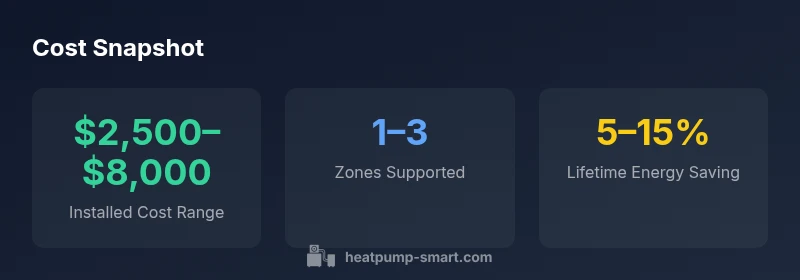
The typical ductless mini split installation cost ranges from about $2,500 to $8,000, driven by system size, the number of indoor units, and labor. Smaller, single-zone setups skew lower, while multi-zone or high-efficiency configurations push the total upward. Costs vary by region and permit requirements; plan for contingencies and potential electrical upgrades. This guide explains the factors and helps you budget effectively.
What drives the ductless mini split installation cost
Understanding the total installed cost begins with separating equipment from labor and site work. A typical setup includes an outdoor condenser, one or more indoor air handlers, refrigerant line sets, mounts, and basic electrical work. The number of indoor units (zones) and the cooling/heating capacity (BTU) largely determine equipment costs. Higher-efficiency models with inverter drives may carry a premium upfront but can reduce operating costs over time. Additionally, installation complexity—such as wall modifications, special mounting locations, or long line sets—affects labor time and line-set material needs. When homeowners ask, the key question is not just “how much for the unit,” but “what does the full, installed system cost to meet my comfort goals?” In this context, the ductless mini split installation cost should be evaluated as a package, with attention to both upfront price and long-term savings.
Heatpump Smart analysis shows that the range you’ll see in bids reflects differences in zone count, indoor-unit styles, and whether a unit is a single- or multi-zone configuration. Always compare apples-to-apples bids that itemize equipment, labor, permits, electrical work, and any necessary drywall or ceiling repairs. Keep in mind that some regions require electrical upgrades or building permits, which can add to the bottom line. When budgeting, build in a contingency for unexpected issues discovered during the wall opening or line-set routing.
Cost components explained: equipment, labor, and extras
A ductless mini split system’s price breaks down into several major components. Equipment costs include the outdoor condenser and indoor air handlers, along with the refrigerant line sets, mounting hardware, and basic controls. Labor covers site preparation, refrigerant charging, commissioning, and testing. Permits may be required by local authorities, and electrical work (breaker sizing, disconnects, and possibly panel upgrades) often adds to labor costs. In some homes, drywall repairs, patching, or ceiling touch-ups are necessary after installation, which adds to both time and expense. While it’s tempting to consider only the sticker price, the total installed cost reflects the level of comfort, reliability, and future energy savings.
To manage expectations, request a line-item bid that clearly separates equipment, labor, permits, and any electrical upgrades. This makes it easier to see where cutting costs would compromise performance, and where investing a bit more now could pay off in reduced energy bills and improved comfort over the system’s life.
Regional and seasonal pricing dynamics you should know
Costs are sensitive to region and season. Regions with high labor rates or difficult access can inflate bids, while areas with robust competition among qualified installers may drive prices downward. Seasonal demand also matters: peak cooling or heating seasons can push bids higher due to scheduling pressure and tighter labor markets. Another influence is the availability of inventory—shortages of outdoor units or indoor devices can slow installations or trigger price spikes. Heatpump Smart analysis notes that while the core cost drivers remain equipment and labor, regional permitting rules and local electrical requirements can add variability that makes precise forecasts challenging. If you’re planning a project in spring or early summer, ask contractors for early-bird pricing or phased work if you’re upgrading several zones over time.
How to estimate a ballpark cost for your home: a practical method
Start with a rough load calculation to determine capacity needs (BTU). Collect bids from at least three licensed installers, ensuring each bid itemizes equipment, labor, electrical, permits, and any drywall work. Compare not just the total price, but also the equipment quality, warranty terms, and estimated energy savings. Use the average bid as a baseline, then add a 5–15% contingency for contingencies such as electrical upgrades or wall repairs. Consider future needs—if you anticipate adding zones or upgrading to ultra-high efficiency models, factor those costs into a staged plan rather than a single upfront purchase. Finally, verify that bids account for any available rebates, tax credits, or financing options, which can materially affect the net installed cost.
Financing, rebates, and incentives: maximizing value in 2026
Many regions offer rebates or tax credits for energy-efficient heat pumps and multi-zone systems. These incentives can reduce the net installed cost by a meaningful amount, though eligibility varies by location and project specifics. Financing options—such as promotional APRs or loan programs targeted at energy upgrades—can spread the upfront expense without compromising comfort. Heatpump Smart recommends evaluating the total cost of ownership, including maintenance, potential savings on energy bills, and any rebate timing, so you don’t miss cash-back opportunities or financing terms that could alter the project’s payback period.
Efficiency, comfort, and payback: when to invest more upfront
Choosing higher efficiency models and bigger-capacity zones can improve long-term comfort and reduce operating costs, but this comes at a higher upfront price. A careful evaluation of your home’s insulation, window efficiency, and occupancy patterns helps determine whether the incremental upfront cost translates into meaningful energy savings. In general, multi-zone configurations offer improved comfort and flexibility, and advanced inverter-driven compressors provide smoother temperature control and lower noise. Heatpump Smart analysis suggests that the right balance between upfront cost and long-term savings depends on your climate, energy prices, and how you use the space.
The installation process: what to expect on day one and beyond
A typical installation involves site assessment, mounting decisions, drilling or cutting as needed, running refrigerant lines, and hookups to electrical service. Some installations require minor drywall repair or ceiling patching once the indoor units are mounted. After the components are connected, the technician will perform a system charge, balance airflow across zones, and test performance across heating and cooling modes. Expect to review the control setup, Wi-Fi thermostat integration, and warranty documents. A good installer will explain noise considerations, outdoor unit placement, and routine maintenance tasks to keep the system operating at peak efficiency.
How to compare bids and avoid common pitfalls
When reviewing bids, look for consistent scope definitions: equipment type, number of indoor units, line-set length, electrical upgrades, permits, and any required drywall work. Beware bids that look dramatically cheaper but omit essential elements, such as a proper refrigerant charge, commissioning, or warranty coverage. Ask for references and check recent installations with similar configurations. Ensure installers perform a professional load calculation and confirm zoning plans align with your comfort goals. Finally, confirm expected lead times and installation windows, especially if you plan to coordinate with other remodeling work.
Estimated cost components for ductless mini split installation
| Component | Typical Cost Range | Notes |
|---|---|---|
| Equipment cost (outdoor + indoor units) | $1,200–$4,000 | Core cooling/heating assets |
| Labor & installation | $800–$2,500 | Site prep, charging, commissioning |
| Electrical work & permits | $200–$1,000 | Panel upgrades, disconnects, permits |
| Wall/drywall modifications | $100–$500 | Patching after mounting units |
Your Questions Answered
What factors most influence ductless mini split installation cost?
The main drivers are system size, number of zones, indoor unit types, and efficiency. Labor, permits, electrical work, and potential drywall modifications also shape the final price.
The biggest cost drivers are how big the system is, how many zones you need, and how efficient it should be. Labor, permits, and any electrical work also matter.
Can I reduce costs by installing only one indoor unit?
Yes, a single-zone setup is typically cheaper upfront. However, consider long-term comfort, energy use, and the potential need for additional units if you expand or redesign spaces.
Yes, you can save upfront with one unit, but think about future space needs and long-term comfort.
Are permits required for ductless mini split installation?
Permits vary by jurisdiction. Some regions require electrical permits or approvals for outdoor condensers. A licensed contractor can confirm local requirements.
Permits depend on where you live. A licensed installer will know what’s required.
Do multi-zone systems cost more than single-zone systems?
Generally yes, because multiple indoor units, longer line sets, and more complex zoning raise both equipment and labor costs. The added comfort must be weighed against the expense.
Usually more zones mean higher upfront costs, but you gain better comfort and flexibility.
What is the typical payback period for higher-efficiency models?
Payback depends on local energy costs and usage. Higher efficiency tends to reduce operating costs over time, improving long-term value.
Higher efficiency helps you save on energy bills over time, though payback varies by region.
Are there common hidden costs installers don’t include in bids?
Yes. Watch for drywall repair, ceiling patching, or significant electrical upgrades not listed. Always request a fully itemized bid with contingencies.
Some bids miss drywall work or electrical upgrades—ask for a fully itemized quote.
“Proper site evaluation and correct zoning are essential for getting the most value from a ductless mini split system.”
Top Takeaways
- Get a detailed bid with line items
- Consider total installed cost, not just equipment
- Expect regional price variations
- Multi-zone kits cost more upfront but improve comfort
- Check for rebates and financing options