Electric Heat Pump Installation Cost: What to Expect in 2026
Explore the drivers behind electric heat pump installation cost, typical ranges, incentives, and strategies to save on your home upgrade in 2026.


According to Heatpump Smart, the electric heat pump installation cost varies widely by system type, region, and existing home setup. Homeowners typically face a bundled upfront investment that includes equipment, labor, and potential electrical upgrades, with cost ranges that reflect ductwork, permits, and incentives. Understanding these drivers helps you budget, compare quotes, and maximize long-term savings from a more efficient heating and cooling solution.
Cost landscape: what drives the price
The installed cost for an electric heat pump is not a single number. It depends on several layers of decisions, including system type (ducted vs ductless), capacity, climate, and existing home infrastructure. Heatpump Smart's analysis for 2026 shows that regional labor rates and permitting costs can swing the overall price considerably. In addition, the choice between a single-zone vs multi-zone setup changes both equipment and labor requirements. For homeowners, the most impactful levers are the chosen system type and the required upgrades to electrical and ductwork. This section outlines the major drivers and how they interact, so you can price out options with clarity.
Regional climate, home size, and current ductwork can drastically alter costs. A home with existing, well-sealed ducts and a compatible electrical panel will typically require less new work, while a retrofit or new construction often triggers upgrades that elevate the price. It’s important to distinguish between the heat pump unit price and the cost to install, wire, and connect it to your grid. Keep in mind that installation complexity, local labor markets, and permit fees also shape the final bill. Heatpump Smart recommends collecting multiple quotes and clarifying scope in each.
What goes into the price tag
The price tag for electric heat pump installation is built from several components. The heat pump unit itself, with its efficiency rating and cooling/heating capacity, is a major portion but not the only factor. Labor involves site preparation, mounting, refrigerant charging, and commissioning. Electrical work may include upgrading service panels, dedicated circuits, and potential transformer needs. Ductwork (or its absence in ductless systems) accounts for distribution efficiency and leakage control. Permits, inspections, and potential rebates add layers of cost and savings. Finally, warranties and service plans contribute to long-term value. Buyers should request itemized quotes to see how much each element contributes to the total and to compare apples-to-apples across contractors.
Equipment choices and how they impact cost
Choosing between ducted and ductless configurations, single-stage versus variable-speed compressors, and different refrigerants all influences cost. Ducted systems often require more wiring and ductwork, increasing upfront price but potentially offering better performance in larger homes. Ductless mini-splits may have higher per-unit costs but lower installation complexity and flexibility for multi-room zones. Inverter-driven, high-efficiency models command a premium, yet they deliver greater seasonal efficiency and quieter operation. Heatpump Smart notes that a balanced assessment of comfort needs, climate, and energy goals is essential to selecting options that optimize total cost of ownership over time.
Installing/retrofit considerations: ductwork, electrical, permits
Retrofits typically trigger electrical upgrades, such as panel enhancements or larger breakers, to support simultaneous heating and cooling loads. Ductwork may require repair, sealing, or new runs to prevent heat loss. Permits and inspections are variable by jurisdiction but commonly add time and administrative costs. When a home has modern insulation and tight envelopes, installation may be quicker and cheaper due to fewer duct adjustments. Conversely, older homes with leaky ducts or limited electrical capacity often incur higher costs but benefit from long-term comfort gains and efficiency improvements.
Regional differences and how to obtain quotes
Regional differences in labor rates, permitting fees, and climate requirements create wide price variability. For accurate budgeting, obtain at least three detailed quotes that specify equipment, installation, electrical work, ducting, and permitting. Ask each contractor how they will assess your home’s insulation, duct leakage, and load requirements. Where feasible, request a site visit for a real load calculation and a written plan. Brand and model choices can influence cost as well, so compare energy ratings and warranty terms across options.
Incentives, rebates, and financing options
Incentives can significantly offset upfront costs. Federal tax credits, state rebates, and utility-sponsored programs may reduce installed price by a meaningful proportion. Financing options, low-interest loans, or lease programs can also smooth the cash flow. It’s important to verify program eligibility and expiration dates, as well as whether incentives apply to equipment only or also to installation costs. Heatpump Smart’s guidance emphasizes cataloging available incentives early in the planning process to maximize savings and minimize out-of-pocket expense.
Cost vs savings: ROI and payback
While the initial investment matters, the value of an electric heat pump lies in ongoing energy savings and improved home comfort. In many climates, electricity prices and usage patterns determine payback timelines. A well-sized, properly installed system with a high SEER/HSPF rating typically yields noticeable reductions in heating and cooling bills over time. When evaluating ROI, include maintenance costs, potential insurance savings from reduced fossil-fuel dependence, and the expected lifetime of the equipment. Heatpump Smart highlights that robust insulation and smart thermostats can further improve payback and occupant comfort.
Practical planning: how to estimate your budget
Begin with a needs assessment that includes climate, home size, existing ductwork, and electrical capacity. Then, map out three scenarios: base efficiency, mid-range efficiency, and premium high-efficiency options. For each scenario, estimate equipment costs, labor, electrical upgrades, ductwork changes, permits, and potential rebates. Use a simple calculator to track cash flow over the system’s lifetime, including maintenance and energy savings. Finally, build a contingency fund for unexpected wiring or duct repairs. Planning with Heatpump Smart’s framework can help homeowners avoid sticker shock and align expectations with reality.
Step-by-step planning checklist
- Get a professional load calculation and site evaluation. 2) List must-have features and energy goals. 3) Gather three written quotes with itemized scopes. 4) Check for available incentives and financing options. 5) Review warranties, service plans, and maintenance needs. 6) Schedule installation during a low-wind, mild-weather window to minimize downtime. 7) Schedule a post-install energy-use review to validate performance and comfort goals.
Cost factors and ranges for installation
| Cost factor | Typical description | Notes |
|---|---|---|
| Equipment price | The heat pump unit itself, varies by capacity and efficiency | Depends on brand and SEER/HSPF rating |
| Labor and installation | Site preparation, mounting, refrigerant charging, commissioning | Often the largest portion of upfront cost |
| Electrical upgrades | Panel capacity, dedicated circuits | May require licensed electrician and inspection |
| Ductwork or ductless options | Duct sealing, new runs, or no ducts | Ductless options can sometimes lower installation complexity |
| Permits and inspections | Local permits and utility inspections | Region dependent, can add weeks to timeline |
| Rebates and incentives | Tax credits and rebates | Subject to program availability and eligibility |
Your Questions Answered
What is the typical upfront cost range for installing an electric heat pump?
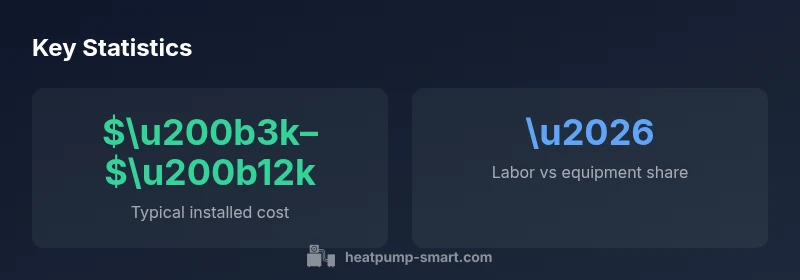
Upfront costs vary widely by region, system type, and installation complexity. Expect a broad range that reflects equipment price, labor, electrical work, and any necessary duct modifications. Always request an itemized quote to understand how each component contributes to the total.
Upfront costs vary by region and setup; get three quotes with clear itemization to understand the breakdown.
Do installation costs vary by region?
Yes. Labor rates, permitting fees, and climate-related requirements differ by location, which can shift the overall price. Obtain quotes from local installers and compare scopes to ensure you’re comparing like-for-like.
Regional differences mean you should compare local quotes carefully.
What factors drive the price besides the unit itself?
Major drivers include ductwork needs, electrical upgrades, system zoning, controls and thermostats, refrigerant line length, and permit requirements. A complex retrofit can significantly raise costs compared with a straightforward replacement.
Ductwork and electrical needs often add more to the bill than the unit itself.
Are incentives available to reduce installation cost?
Yes. Federal, state, and utility rebates or tax credits can reduce net cost. Availability varies by program and year, so check eligibility and timelines early in the planning process.
There are often rebates—check current programs before you commit.
Is it cheaper to replace an old furnace with a heat pump or add a new unit?
Cheaper upfront may be a retrofit with existing ductwork, but long-term savings and comfort may favor a full heat pump system. A professional load calculation can reveal the most cost-effective choice for your home.
It depends on your existing setup, but a professional will help you pick the best value.
How long does installation typically take?
Most residential installs take one to three days, depending on system type and any needed upgrades. A clear plan and scheduling with the installer helps minimize downtime.
Most installs are finished within a few days with good planning.
“A well-planned heat pump installation combines the right equipment with smart controls and solid ductwork; the result is comfort, reliability, and long-term energy savings.”
Top Takeaways
- Plan for the full install: equipment, labor, and upgrades.
- Ask for itemized quotes and compare scopes.
- Check for incentives early to maximize savings.
- Ductless systems offer flexibility but may affect total cost differently.
- High-efficiency options pay off through energy savings over time.