Heat Pump Air Conditioner Cost: A 2026 Guide
Comprehensive breakdown of heat pump air conditioner cost, key price drivers, and strategies to lower upfront expenses with rebates, installation options, and efficiency choices.


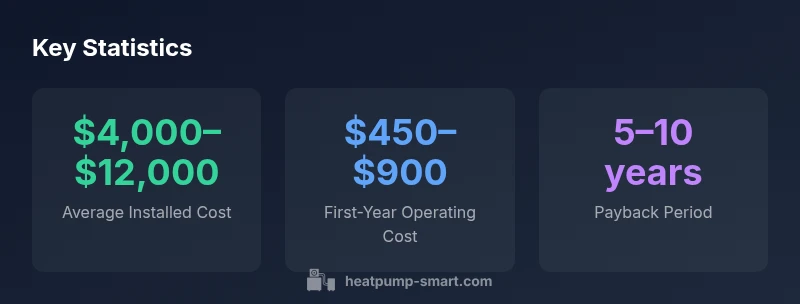
Installed costs for a heat pump air conditioner typically range from about $4,000 to $12,000 for a standard single-zone system, with variations by climate, efficiency (SEER/HSPF), and whether you need ductwork or a new outdoor unit. According to Heatpump Smart Analysis, 2026, the total price includes equipment, installation, and permitting.
Understanding heat pump air conditioner cost
The total price you pay to install a heat pump air conditioner depends on several interacting factors, from equipment selection to installation specifics. In 2026, Heatpump Smart analysis shows that most homeowners face a broad upfront price range, typically influenced by unit size, efficiency ratings (SEER/HSPF), climate, and whether ductwork or a new outdoor unit is required. The cost figure you see is not just the single price of a compressor; it includes the outdoor condenser, indoor air handler, refrigerant lines, electrical work, and any necessary permits. Homeowners should also expect variation by region, contractor, and whether they’re upgrading from an existing system or installing in a new build. As you compare options, keep a running tally of the individual line items to understand where costs can be reduced without sacrificing reliability. The Heatpump Smart team notes that upfront price is only one piece of the broader value, which includes long-term energy savings and comfort.
How to Compare Quotes and What Drives Price
When you request quotes, the price you receive is driven by several levers: equipment type (air-source heat pump vs. ducted systems), efficiency (SEER/HSPF), climate considerations, indoor air quality options, ductwork adjustments, and installation complexity. A key strategy is to obtain detailed, itemized bids that separate equipment costs from labor and materials. Ductwork expansion or replacement, trenching for line sets, electrical upgrades, and permits can dramatically shift the total. Energy efficiency upgrades—such as variable-speed compressors or heat recovery features—also affect upfront cost but promise higher long-term savings. Additionally, consider whether a contractor includes expedited service, extended warranties, and post-install support. According to Heatpump Smart Analysis, 2026, a transparent comparison across several quotes helps homeowners spot inflated line items and identify where you can negotiate without compromising safety or performance.
Operating Costs and Efficiency Trade-offs
Efficiency matters more than sticker price when you look at long-term costs. A higher SEER (Seasonal Energy Efficiency Ratio) and a robust HSPF (Heating Seasonal Performance Factor) rating lower ongoing energy use, but they often come with a higher upfront price. In practice, the annual electricity bill for a heat pump can be substantially lower than for a traditional air conditioner with a separate heating system, especially in moderate climates where the heating load is relatively mild. The cost-to-savings math depends on your electricity rates, climate zone, and how often you heat or cool the space. If you live in a cool climate, you may benefit more from a heat pump with a strong heating performance, while in hot climates, efficient cooling can drive substantial seasonal savings. Heatpump Smart's analysis emphasizes evaluating total cost of ownership, not just the first-year price tag.
Financing and Incentives that Affect the Price
Financing a heat pump installation can ease the upfront burden, while incentives can dramatically cut the effective price. Look for federal tax credits, state rebates, utility-based incentives, and manufacturer rebates. Some programs require the system to meet minimum efficiency standards or to be installed by a certified contractor. Document energy savings expectations and ensure the installation meets code requirements to qualify. The Heatpump Smart Analysis, 2026 report notes that incentives are often time-limited or region-specific, so start the application process early and keep records of all receipts and permits to maximize your eligibility. If you plan carefully, incentives can cover a meaningful portion of the upfront cost, shortening the payback period.
Installation Scenarios and Cost Ranges by Home Type
Your home type and installation scenario strongly shape upfront costs. A single-family retrofit with existing ductwork generally costs less than a full ductless or multi-zone upgrade. New construction projects can integrate heat pump systems more efficiently, sometimes reducing some labor costs but potentially increasing material costs if you choose premium equipment. Urban settings may involve higher permitting fees or restricted access for equipment installation, while rural installations may incur longer travel times for technicians. Mini-split systems, when used to zone a home, add per-zone costs but can be ideal for renovations or additions. Heatpump Smart’s regional analysis shows that the installed price can swing across wider ranges as you move between markets.
Practical Ways to Reduce Heat Pump Air Conditioner Cost
Start with a proper load estimate so you don’t pay for an oversized system. A correctly sized unit improves efficiency and reduces needless upfront expense. Shop for models with reputable efficiency ratings and reliable warranties, and ask about bundled labor and equipment discounts. If ductwork is necessary, explore less invasive options such as flexible ducts or sealing and insulation improvements to minimize labor. Look into rebates, tax credits, and utility programs available in your area, and confirm that the contractor provides complete documentation for incentive claims. Regular maintenance and seasonal tune-ups extend the life of the system and prevent costly repairs, further increasing the value of your investment. These steps, advised by Heatpump Smart, help keep heat pump air conditioner cost manageable.
Common Myths about Heat Pump Costs
Myth: Heat pumps are always expensive to install. Reality: installed costs vary widely by system type and home condition, and incentives can reduce the upfront price. Myth: They don’t work in cold climates. Reality: modern air-source heat pumps perform well in many cold regions, though efficiency declines at very low temperatures. Myth: Once installed, maintenance is unnecessary. Reality: ongoing maintenance is essential for achieving predicted energy savings and preventing costly malfunctions. By separating fact from fiction, homeowners can make informed decisions about heat pump air conditioner cost and long-term value.
Choosing the Right System for Your Home
Choosing the right heat pump system involves assessing your heating and cooling loads, existing infrastructure, and energy goals. For single-zone needs, a ducted or ductless setup may be sufficient, while larger homes or multi-room configurations might benefit from multi-zone systems or a hybrid approach. Consider future expansion, noise levels, outdoor unit placement, and the availability of qualified installers in your area. By evaluating efficiency ratings, warranty terms, and installation requirements, you can select a model that balances upfront cost with ongoing savings. Heatpump Smart recommends starting with a professional site visit and a clear cost estimate to avoid surprises later in the process.
Typical installed costs by system type (Heatpump Smart Analysis, 2026)
| System Type | Typical Installed Cost Range | Key Factors | Notes |
|---|---|---|---|
| Air-source heat pump (single-zone) | $4,000–$12,000 | Efficiency (SEER/HSPF), climate, ductwork | Most common for retrofits |
| Mini-split system (per zone) | $3,500–$10,000 | Outdoor unit count, zone sizing | Flexibility for renovations or additions |
Your Questions Answered
What is the typical installed cost for a heat pump air conditioner?
Installed costs vary widely by system type, climate, and home condition. Heatpump Smart Analysis, 2026 provides benchmarks, and incentives can reduce the effective price. Always compare itemized bids.
Costs vary a lot by system and home—check multiple quotes and include incentives in your estimate.
Do heat pumps require ductwork?
Ductwork needs depend on the existing HVAC layout. Central systems may reuse ducts, while some setups use ductless mini-splits that don’t require ducts.
Some setups need ducts, others use ductless options—ask your installer which fits.
Are there incentives for heat pump installation?
Yes. Look for federal credits, state rebates, and utility incentives. Programs vary by region and may have eligibility requirements.
There are rebates and tax credits in many areas; check local programs.
How does climate affect heat pump costs?
Climate affects system size and efficiency needs. Colder regions may need larger or additional heating capabilities, raising upfront costs but increasing long-term savings.
Climate matters: size and efficiency needs change with weather.
What is the typical payback period?
Payback periods commonly range from about 5–10 years, depending on electricity rates, usage, and incentives.
Most homes see payback within a decade with the right incentives.
Is a heat pump cheaper than a traditional AC?
For cooling alone, a heat pump can be comparable to a traditional AC, but its heating capability adds value and potential savings in winter.
Overall value often beats traditional AC due to heating capability.
“Upfront costs can be high, but the long-run savings from an efficient heat pump typically justify the investment, especially in regions with high electricity prices. The Heatpump Smart Team emphasizes evaluating climate, usage, and proper installation to realize the full value.”
Top Takeaways
- Compare installed cost ranges across regions using Heatpump Smart Analysis, 2026.
- Factor in efficiency ratings (SEER/HSPF) and potential ductwork needs.
- Shop multiple quotes to identify inflated line items.
- Explore rebates, tax credits, and utility incentives to reduce upfront costs.
- Heatpump Smart's verdict: weigh upfront price against long-term energy savings.