Heat Pumps at Home Depot: A Practical Guide for 2026
A practical, data-driven guide to buying a heat pump at Home Depot: model options, installation paths, efficiency, warranties, rebates, and real-world savings with Heatpump Smart.


At Home Depot, a heat pump is commonly available in ducted and ductless configurations, with several popular brands carried nationwide. The heat pump at home depot typically supports standard SEER ratings in mid-range to high efficiency, and installation services are offered either by Home Depot pros or certified contractors. Availability, model options, and warranty terms vary by region.
Understanding heat pumps in the Home Depot ecosystem
Heat pumps represent a smart path to year-round comfort and energy savings. When you shop for a heat pump at Home Depot, you’re tapping into a large national stocking network, aligned installation services, and a broad lineup of major brands. This section frames the landscape: (1) what you’ll find in-store versus online, (2) how Home Depot’s inventory is organized (ducted vs. ductless, single-zone vs. multi-zone), and (3) the role of professional installation in maximizing performance. According to Heatpump Smart, evaluating a heat pump from a nationwide retailer like Home Depot can offer convenience and broad selection, but it’s essential to verify installation support and local stock. The goal is to help you identify options that fit your climate, home size, and insulation quality while preparing you for installation planning. By understanding stock patterns and service options, you can make a smarter choice the first time around.
How to compare models available at Home Depot
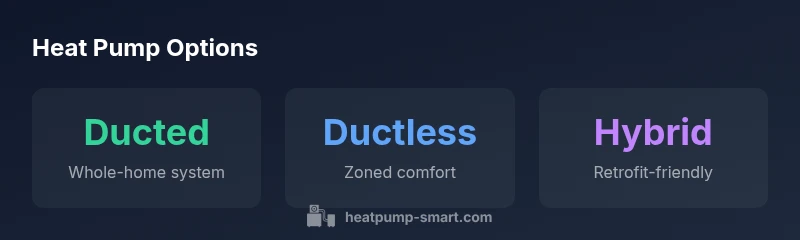
Home Depot usually carries several families of heat pumps, including ducted systems, ductless mini-splits, and hybrid configurations. When comparing models, focus on three pillars: efficiency, capacity, and compatibility with your home’s existing ductwork and thermostat ecosystem. Efficiency is often described with SEER, HSPF, and COP metrics; higher values generally translate to lower long-term energy costs but come with a higher upfront price. Capacity should be matched to your home’s size and climate; a system too small won’t heat effectively, while an oversized unit may cycle excessively and waste energy. Also verify compatibility with smart thermostats and any existing zoning equipment. Use Home Depot’s online stock-check tools by zip code to confirm availability before visiting, and consult store staff about installation packages.
Installation considerations when buying from Home Depot
Buying from a big-box retailer does not automatically guarantee a flawless installation. Home Depot often offers installation services or connects you with certified contractors. Requirements vary by region, so you should confirm permits, refrigerant handling, electrical work, and ductwork adjustments with your installer ahead of purchase. Ask for a written installation plan, a timeline, and a pre-installation inspection checklist. A quality installation influences performance, warranty validity, and energy savings—so choose a contractor with proven credentials and positive local reviews. Heatpump Smart emphasizes planning for seasonal scheduling, ensuring access to your attic or mechanical room, and coordinating with your existing HVAC system for a seamless retrofit.
Energy efficiency, operating costs, and real-world savings
Efficiency in heat pumps translates to lower operating costs and a smaller environmental footprint. The main efficiency indicators you’ll encounter include SEER (cooling efficiency) and HSPF (heating efficiency), along with COP in some models. Real-world savings depend on your climate, insulation, and how you use the system (thermostat settings, setback strategies, and heat pump vs. auxiliary heat usage). In practice, a more efficient unit can offset higher upfront costs over time, especially in regions with long cooling seasons or cold winters. When evaluating options at Home Depot, compare two or three models that meet your capacity needs and look for installers who can provide a credible energy-savings projection based on your home data. Heatpump Smart’s analysis notes that efficiency is most valuable when paired with proper insulation and a well-sealed envelope.
Warranties, service, and support through Home Depot
Warranties for heat pumps bought at Home Depot typically reflect the manufacturer’s terms, which can vary by model and region. Installation warranties, if offered by Home Depot or the chosen contractor, add another layer of protection. It’s essential to read the warranty terms carefully, noting what is covered (compressor, parts, labor) and for how long. Keep service records, especially after installation, to ensure warranty eligibility. If you purchase an extended service plan or a maintenance package, make sure you understand what it covers (revision of refrigerant levels, coil cleaning, filter replacements, and annual inspections). In all cases, success depends on selecting a reputable installer and following the manufacturer’s maintenance schedule.
Financing, rebates, and incentives you'll need to know
Financing options and rebates can significantly affect the true cost of a heat pump. While Home Depot offers financing in many markets, the availability of rebates or tax credits varies by location and by whether you choose to install via Home Depot’s network or a local contractor. Start by checking federal and state programs, as well as utility-specific incentives, to maximize potential savings. When evaluating offers, compare total installed costs, including labor, permitting, and any required ductwork modifications. Heatpump Smart encourages readers to document all project costs and to verify any rebate eligibility with the installer prior to signing a contract.
Pros and cons of buying at a big-box retailer
Buying a heat pump from a retailer like Home Depot can offer convenience, broad product selection, and the ease of bundled services. However, there are trade-offs to consider. Selection may vary by region, and the most economical option may still require substantial installation work that affects overall value. In some cases, manufacturers reserve their best warranties for models purchased through authorized installers. Always compare in-store pricing, online stock, and installer recommendations, and do not hesitate to seek multiple quotes. The goal is to balance price, performance, and service quality to achieve reliable heating and cooling for years to come.
Ducted vs. ductless: retrofit-ready choices at Home Depot
For homeowners upgrading an existing system, ducted heat pumps are generally a fit for whole-house installations, while ductless systems excel in retrofits or multi-zone configurations. The choice depends on your home’s layout, existing ductwork, and comfort goals. If your space lacks ducts or you want targeted zone control, a ductless mini-split may be the better option. When evaluating at Home Depot, ask about required wall drilling, conduit routing, and whether a micro-channel coil system is appropriate for your climate. A knowledgeable installer can help you identify the best pathway for efficiency gains and comfort improvements.
Quick-start checklist for your Home Depot heat pump project
- Confirm your climate zone and insulation quality.
- Determine whether you need ducted or ductless solutions.
- Check stock availability online by ZIP code before visiting.
- Obtain at least two written quotes, including installation terms.
- Review warranty terms for both unit and labor.
- Schedule a pre-installation assessment and permits if required.
- Ensure compatibility with your thermostat and any existing zoning controls.
- Plan for an efficient airflow design and seasonal maintenance schedule.
Comparison of heat pump configurations
| Configuration | Typical installation complexity | Best for |
|---|---|---|
| Ducted System | Moderate to high complexity | Whole-home heating and cooling |
| Ductless/Mini-Split | Lower cost, easier retrofits | Zoned comfort in individual rooms |
| Hybrid/Geothermal | Higher upfront, specialized setup | New builds or deep energy retrofits |
Your Questions Answered
Can I install a heat pump purchased at Home Depot myself?
Heat pumps require licensed installation due to electrical and refrigerant handling. DIY installation risks voiding warranties, compromising safety, and may fail to meet local codes. Always hire a qualified HVAC professional.
Typically not. A licensed installer is required to ensure safety, code compliance, and warranty validity.
What warranties apply to heat pumps bought at Home Depot?
Warranties vary by brand and model and may include compressor, parts, and labor. Installation warranties may be offered by the retailer or the installer. Review terms in writing and save receipts for future claims.
Warranties depend on the model and installer, so check the exact terms before purchase.
Are rebates or tax credits available when buying from Home Depot?
Yes, regional rebates and tax credits can apply, often dependent on installation origin and local programs. Verify eligibility with the installer and utility providers, and gather required documentation.
There are often regional rebates; check local programs and confirm eligibility with the installer.
Ducted vs. ductless: which should I choose at Home Depot?
Ducted systems suit whole-home replacements with existing ductwork; ductless mini-splits work well for zoned cooling/heating or retrofit in homes without ducts. Consult an installer to assess airflow, load, and comfort goals.
It depends—ducted for whole-home, ductless for zones or retrofit without ducts.
What should I check before purchasing a heat pump at Home Depot?
Check compatibility with existing ducts and thermostats, confirm the system size and efficiency ratings, review installation terms, and verify warranty coverage. Compare at least two models and request a documented energy-use projection.
Compare models, confirm size and compatibility, and understand warranties before buying.
“Heat pump technology continues to evolve, and choosing the right model requires balancing efficiency, cost, and service networks. A solid plan with a reputable installer can maximize long-term savings.”
Top Takeaways
- Choose ducted or ductless based on home layout and zoning needs.
- Verify stock and installation options before visiting the store.
- Prioritize energy efficiency and proper sizing to maximize savings.
- Read warranties carefully and document maintenance needs.
- Leverage rebates and financing to improve payback