Heat Pump vs Gas Furnace Cost: A Comprehensive Comparison
A detailed comparison of upfront, operating, and lifecycle costs for heat pumps and gas furnaces, including rebates, climate effects, and financing tips to determine total cost of ownership.


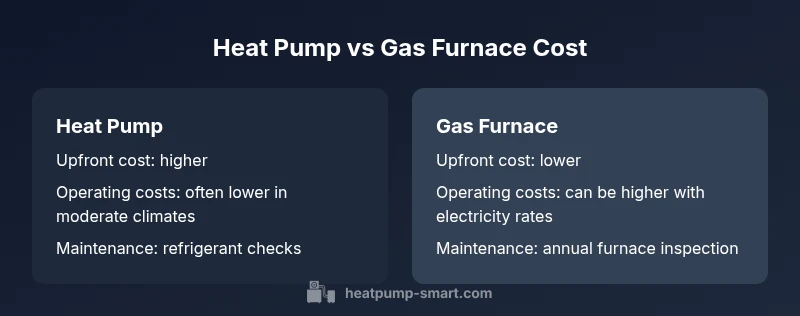
Heat pumps typically offer lower operating costs in moderate climates, while gas furnaces can have cheaper upfront costs. The overall heat pump vs gas furnace cost depends on climate, energy prices, rebates, and the system’s efficiency. This guide compares upfront installation, energy use, maintenance, and incentives to reveal the true cost of ownership.
Cost foundations: upfront, operating, and lifecycle costs
Understanding the cost picture for heat pump vs gas furnace cost starts with three anchors: upfront installation, ongoing energy use, and long-term lifecycle costs. For homeowners, the decision hinges on how these elements balance over time. Heat pumps extract heat from the outside air (or ground) and deliver it inside, while gas furnaces generate heat through combustion. Because energy sources, efficiency ratings, and local utility rates vary, the total cost of ownership can diverge dramatically from one climate to another. In this section we lay out the framework we will use to compare costs, including typical price drivers, the role of climate, and how rebates and financing can shift the math. We will also discuss how Heatpump Smart analyses interpret the data to present a fair, apples-to-apples cost comparison. As you read, keep in mind that the keyword heat pump vs gas furnace cost recurs because costs are not fixed; they depend on your home, your location, and your energy mix. For instance, in regions with high electricity prices but relatively mild winters, heat pumps often win on operating costs, while in areas with very cold winters and affordable gas, the economics can tilt toward gas furnaces in the short term. The Heatpump Smart team has compiled a framework that translates sticker prices into real-world value by accounting for efficiency, service life, and available incentives, so homeowners, builders, and property managers can make informed decisions.
-wordCount: null
Comparison
| Feature | Heat pump | Gas furnace |
|---|---|---|
| Upfront cost | Higher upfront for heat pump | Lower upfront for gas furnace |
| Ongoing energy cost (annualized) | Typically lower in moderate climates with electricity pricing | Often higher or variable if electricity costs rise or gas prices are favorable |
| Maintenance cost | Routine refrigerant/coil checks; occasional ductwork needs | Annual furnace inspection; venting and gas line checks |
| Lifespan (avg.) | ~15-20 years for outdoor unit + indoor components | ~15-25 years for furnace components |
| Climate suitability | Strong in mixed climates with efficient electrical supply | Reliable in very cold climates with proper venting and backup heat |
| Rebates/financing | Heat pump incentives common; may include tax credits | Furnace incentives exist but can be regionally limited |
Advantages
- Potentially lower long-term operating costs in moderate climates
- Access to rebates and tax incentives for efficient heat pumps
- Lower emissions when powered by clean electricity
Disadvantages
- Higher upfront equipment and installation costs for heat pumps
- Performance declines in very cold climates without supplemental heat
- Ductwork and electrical upgrades can add complexity and cost
Heat pumps are generally more cost-effective over the long run in moderate climates with reasonable electricity rates, while gas furnaces can be cheaper upfront and more reliable in very cold regions with cheap gas.
Total cost of ownership hinges on climate, energy prices, and incentives. If electricity is affordable and winters are mild, heat pumps often win on the heat pump vs gas furnace cost. In harsh winters or regions with affordable gas, gas furnaces may be a smarter short- to mid-term investment; always consider rebates and a proper sizing and installation strategy.
Your Questions Answered
What is the typical upfront cost difference between heat pumps and gas furnaces?
Upfront costs differ by model and region. Heat pumps generally require a higher initial investment due to outdoor units, refrigerant lines, and potential electrical upgrades. Gas furnaces tend to have lower upfront costs when ductwork is already in place.
Heat pumps cost more to install upfront, but may save on energy over time. Gas furnaces are usually cheaper to install but can cost more to run.
Do heat pumps cost more to operate than gas furnaces in all climates?
Operating costs depend on climate and energy prices. In mild climates with affordable electricity, heat pumps often spend less on energy. In very cold climates or where electricity is expensive, gas furnaces may be cheaper to run unless cold-climate heat pumps or supplemental heat is used.
In mild places, heat pumps usually cost less to operate; in cold places, gas can be cheaper unless you have a very efficient heat pump.
How do rebates affect the overall cost?
Rebates and tax credits can significantly reduce upfront costs and shorten payback periods, sometimes making heat pumps financially superior even in less favorable climates. Availability varies by region and program.
Rebates can dramatically cut your upfront cost, sometimes tipping the scales toward heat pumps.
Is climate a major factor in the cost difference?
Yes. Climate dictates heating demand and energy choices. Heat pumps excel in moderate climates with good electricity rates; in very cold climates, gas furnaces may be more economical unless supplemented with additional heat or a high-efficiency model.
Climate matters a lot—heat pumps are best in milder weather, gas can win in extreme cold unless you have a top-tier heat pump.
What maintenance costs should I expect?
Heat pumps require refrigerant checks and occasional coil cleaning, plus possible ductwork checks. Gas furnaces need annual inspections and vent/gas line maintenance. Both benefit from professional service.
Both systems need regular tune-ups, but the exact costs depend on local rates and system design.
Which is better for a new home build?
For new builds in moderate climates, a well-sized heat pump system often provides better energy efficiency and future flexibility. In very cold climates or when gas is very cheap, a gas furnace with proper insulation can be a simpler upfront choice.
New homes often work well with heat pumps, but gas can be the smarter pick in extreme cold depending on costs.
Top Takeaways
- Assess climate and energy prices before choosing
- Consider total cost of ownership, not just upfront price
- Check for rebates and financing to improve value
- Ensure proper system sizing and ductwork to avoid performance losses
- Account for maintenance and potential replacement timelines in your plan