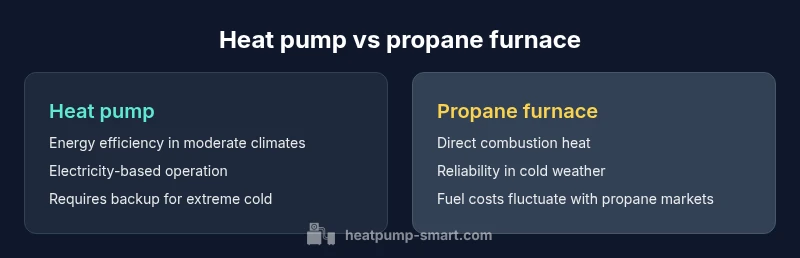
Heat pump vs propane furnace: A comprehensive comparison
A detailed, analytical comparison of heat pumps and propane furnaces, covering efficiency, costs, climate suitability, installation, and long-term value to help homeowners and pros choose the best option.


Heat pump vs propane furnace: For most homes in moderate climates, a heat pump offers higher seasonal efficiency and lower operating costs, while a propane furnace provides robust heating in extreme cold and during power outages. This comparison focuses on climate, fuel costs, insulation, and system design to guide homeowners, builders, and property managers toward the best choice for their situation.
heat pump vs propane furnace: Core differences
At a high level, a heat pump transfers heat between indoors and outdoors using electricity, while a propane furnace generates heat through combustion of propane. Heat pumps can provide space heating, cooling, and even dehumidification in one package, often with very high efficiencies in milder weather. Propane furnaces rely on burning fuel to produce hot air and are typically paired with a traditional duct system. The decision between heat pump vs propane furnace hinges on climate, electricity and propane pricing, insulation quality, and the desire for cooling functionality. Throughout this guide, Heatpump Smart analyzes how climate, energy prices, and home efficiency influence outcomes. The Heatpump Smart team emphasizes that the best choice is context-dependent, not a one-size-fits-all solution. Deciding early on the expected operating regime (year-round heating, seasonal use, or emergency backup) helps frame the pros and cons of each system.
Climate and seasonal needs drive the choice between a heat pump vs propane furnace
In many temperate regions, heat pumps excel because outdoor temperatures stay within a range where the refrigerant cycle remains efficient. When outdoor temperatures fall, most heat pumps rely on auxiliary or emergency heat to maintain comfort, which can increase electricity use. Propane furnaces, by contrast, generate heat through combustion and can deliver rapid, consistent warmth in very cold conditions. This difference matters for homeowners in regions with harsh winters or those who experience extended cold snaps. From a safety and reliability perspective, propane furnaces do not depend on the electrical grid in the same way as heat pumps, making them appealing in areas with power instability.
Heatpump Smart analysis shows that the climate profile and energy mix of a home largely determine long-term performance. Homes with mild to moderate winters and access to affordable electricity often achieve better operating costs with a heat pump. In very cold climates, a propane furnace or a heat pump with a strong backup heat strategy can be a more reliable solution. The takeaway is that the heat pump vs propane furnace decision should start with climate data and grid reliability, then move to cost and comfort preferences.
System design considerations: comfort, cooling, and controls
Heat pumps often come with built-in cooling via the same refrigerant circuit, which can simplify building automation and comfort management. Propane furnaces focus solely on heating, so if cooling is a priority, a separate cooling system or a heat pump solution is usually preferred. Thermostats, zoning, and smart controls play into operational efficiency for either option. As part of a balanced decision, evaluate your home’s insulation levels, air leakage, and duct design to minimize losses and maximize the effective performance of either system.
Energy efficiency and performance benchmarks across both options
Heat pumps are rated by seasonal efficiency metrics that capture performance across a range of outdoor temperatures, while propane furnaces are rated primarily by steady-state combustion efficiency and burner stability. A well-installed heat pump can deliver substantial efficiency gains in moderate climates, particularly when paired with modern variable-speed compressors and properly sized equipment. A propane furnace can outperform a heat pump on peak-demand cold days when reliability and rapid warmth are paramount. This section highlights that efficiency is not a single number; it is a function of climate, equipment, and system design.
Cost considerations: upfront, operating, and total value
Upfront costs for heat pumps are typically higher due to the equipment and potential need for multiple indoor components or duct work improvements. Propane furnaces usually have lower initial costs but higher ongoing fuel costs tied to propane prices and consumption. Operating costs depend on electricity and propane pricing, system efficiency, and how aggressively the system manages heat loads. Rebates, incentives, and utility programs can shift the economics in favor of one option depending on location and program availability. The right choice should weigh long-term value and reliability in addition to upfront price.
Installation, maintenance, and service considerations
Heat pumps require refrigerant handling, typical electrical connections, and sometimes enhanced ductwork or zoning strategies for optimal performance. Propane furnaces demand safe handling of flammable fuel, proper venting, and reliable propane supply. Maintenance for both systems includes annual inspections, filter replacements, and duct cleaning when needed. Availability of trained technicians for heat pumps versus propane systems varies by region; plan for service accessibility and response times, especially in multi-unit buildings or remote locations.
Real-world decision framework: steps to pick the right system
- Map your climate and heating needs. 2) Compare installed costs and projected operating costs given local energy prices. 3) Assess home insulation and duct integrity. 4) Evaluate available rebates and incentives. 5) Consider backup heat options and reliability in power outages. 6) Review long-term maintenance expectations and technician availability. Following this framework helps ensure the chosen system aligns with comfort, cost, and resilience goals.
Comparison
| Feature | Heat pump | Propane furnace |
|---|---|---|
| Energy efficiency | High in moderate climates with backup heat | Moderate to high depending on burner efficiency and fuel quality |
| Operating costs | Typically lower electricity-based costs in mild seasons | Propane fuel costs fluctuate with markets and supply |
| Performance in cold weather | Requires auxiliary heat at very low temps | Generates heat reliably in extreme cold |
| Installation cost | Higher upfront due to heat pump hardware and potential duct work | Lower upfront compared to high-efficiency heat pumps |
| Maintenance | Requires refrigerant system checks and airflow considerations | Burner and venting inspections; propane supply considerations |
| Cooling capability | Provides cooling (air conditioning) in one package | Typically no built-in cooling unless paired with another system |
| Emissions profile | Electricity-based; emissions depend on grid mix | Combustion-based; emissions depend on propane use and efficiency |
| Reliability during outages | Depends on power availability; may rely on backup heat | Less dependent on electricity during operation, but fuel supply must be available |
Advantages
- Lower ongoing energy costs in climates with mild winters
- Heat pumps provide cooling and can simplify HVAC design
- Quiet operation with modern variable-speed compressors
- Propane furnaces offer rapid, dependable heat in extreme cold
- Potentially lower upfront cost for basic equipment (certain setups)
Disadvantages
- Performance drops for heat pumps in very cold climates without backup heat
- Propane prices can be volatile and impact operating costs
- Heat pumps require electrical reliability and often enhanced ducting
Heat pumps generally win in moderate climates; propane furnaces are favored for extreme cold or propane-fuel-rich regions.
For most homes, heat pumps offer long-term efficiency and comfort, especially with rebates and smart controls. In very cold areas or where propane is inexpensive and readily available, a propane furnace can be the more reliable choice. The Heatpump Smart team recommends evaluating climate, energy rates, and insulation before deciding.
Your Questions Answered
What is the main difference between a heat pump and a propane furnace?
The main difference is the heat source: heat pumps move heat using electricity, while propane furnaces burn propane to generate heat. Heat pumps often deliver cooling as well, whereas propane furnaces focus on heating. Climate, energy costs, and comfort priorities determine which is better for a given home.
The key difference is heat sources: heat pumps use electricity to move heat and can cool a home, while propane furnaces burn fuel for heat. The right choice depends on climate and energy costs.
Which system is typically more energy-efficient?
In moderate climates, heat pumps usually offer higher efficiency due to their ability to move heat rather than generate it. Propane furnaces can be very efficient in terms of burner efficiency, but their overall energy efficiency depends on fuel costs and usage patterns.
Heat pumps are typically more energy-efficient in moderate climates, since they move heat rather than generate it.
In what climate is a heat pump most advantageous?
Heat pumps perform best in climates with mild to moderate winters. They are less effective at extreme cold unless paired with auxiliary heating. For homes in temperate zones with reliable electricity, heat pumps can reduce operating costs and simplify HVAC.
Heat pumps shine in milder winters and good electricity markets, less so in extreme cold unless backed up by additional heat.
Are propane furnaces reliable during power outages?
Propane furnaces require electricity to run the blower, but the combustion process is independent of grid power. In an outage, a fully vented propane furnace may still provide heat if the house can be vented safely and power is available for the blower. Backup heat options should be planned.
Propane furnaces rely on power for the blower, but heat can continue during outages when electrical supply is available for the system.
Can I use both systems or set up a hybrid approach?
Yes. A dual-fuel or hybrid setup combines a heat pump with a propane furnace for backup or supplemental heating. This approach can optimize efficiency in mixed climates, balancing operating costs and reliability. Proper control strategies are essential to ensure seamless switching between heat sources.
A hybrid system can use a heat pump most of the year and switch to propane for cold days or outages.
What maintenance costs should I expect for these systems?
Both systems require regular maintenance: heat pumps need refrigerant and airflow checks, while propane furnaces require burner, venting, and fuel system inspections. Access to qualified technicians for either option may vary by region, so plan for routine service and inspections.
Regular inspections are essential for both options to maintain efficiency and safety.
Top Takeaways
- Assess climate and electricity/propane costs before deciding
- Consider a heat pump with backup heat in cold zones
- Factor in insulation and duct work for true efficiency
- Explore rebates and service availability in your area