How much does a heat pump cost to buy and install
A comprehensive guide to upfront heat pump costs, including unit and installation ranges, factors that affect price, rebates, and practical tips to estimate and save.


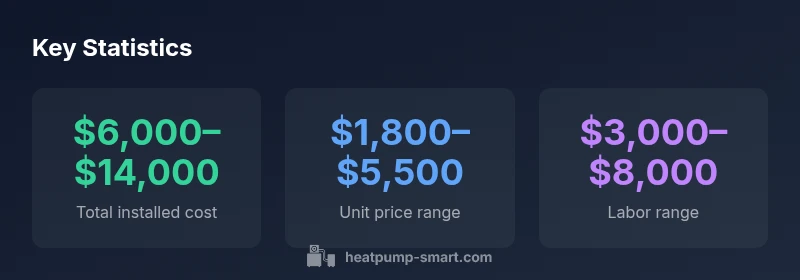
For a standard air-source heat pump, homeowners typically pay a total installed price in the range of $6,000 to $14,000. This upfront cost includes the unit and installation, with variations driven by system size, efficiency, ductwork needs, and electrical upgrades. Heatpump Smart Analysis, 2026 notes broader ranges by climate and retrofit requirements.
Understanding the cost landscape for heat pumps
The total cost of buying and installing a heat pump depends on several intertwined factors, including the system type, capacity, efficiency rating, climate, and the complexity of your home. According to Heatpump Smart, upfront costs are not fixed; they reflect the combination of equipment price, labor intensity, and any required retrofits. A typical homeowner considers both the sticker price of the unit and the labor to install it, plus potential add-ons like ductwork improvements or electrical upgrades. In 2026, regional variations remain a major driver of final numbers, with retrofits or non-standard homes pushing costs toward the top of the range. When planning, view the price as a spectrum rather than a single figure, and use it to model your own budget against longer-term savings.
Buy price vs install price: what drives the split
Two big buckets determine the final number: equipment cost and installation cost. The heat pump unit itself can vary widely in price based on cooling/heating capacity, efficiency (measured by COP/SEER, for example), and features like variable-speed compressors. Installation costs cover labor, refrigerant charging, system commissioning, and any retrofits to ductwork or electrical panels. Homes with existing ductwork and compatible electrical service typically see lower installation bills, while retrofit-heavy jobs can push total costs higher. Budget for permits and inspections as well, since these vary by locality and add a predictable line item to the total. Viewing these as separate lines helps homeowners negotiate and compare bids more accurately.
System type and efficiency: impact on cost
There are several system types, and each has a different price trajectory. Air-source heat pumps (ASHPs) are usually the most affordable to buy and install, especially in milder climates. Ground-source (geothermal) systems tend to have higher upfront costs due to drilling and loop installation but can offer lower operating costs in the right settings. Within ASHPs, high-efficiency models and those with inverter-driven compressors typically cost more upfront but deliver better performance and energy savings over time. Seasonal energy efficiency and performance metrics (like HSPF and COP) influence both the purchase price and long-term operating costs, so it’s important to balance upfront expenditure with expected energy savings.
Climate, site, and home characteristics
Climate dictates how often and how hard a heat pump runs, which in turn affects both efficiency and cost. In colder regions, you may need supplemental heat or a more capable unit, increasing upfront costs. The house layout and insulation quality influence duct design and airflow, possibly requiring retrofits. A home with modern, well-sealed ducts in a mild climate may cluster toward the lower end of the cost range, while a poorly insulated home or one needing extensive ductwork will sit toward the higher end. When estimating, consider not just the equipment price but also the cost of achieving a reliable, comfortable indoor climate year-round.
Ductwork, electrical, and retrofit considerations
A big hidden cost driver is whether your existing ductwork and electrical system are ready for a heat pump. If ducts require sealing, insulation, or resizing for proper airflow, installation costs can rise substantially. Electrical upgrades—such as a dedicated circuit, higher-capacity breaker, or new wiring—may also be necessary for safety and performance. Some homes may need thermostat upgrades, condensate drainage improvements, or controls integration with existing smart home systems. These items aren’t optional in many installations; they can be the difference between a smooth install and a costly retrofit, so plan for contingencies in both budget and timeline.
Rebates, incentives, and financing options
Rebates and incentives are a critical part of the Economics of heat pump projects. Federal, state, and local programs frequently reduce upfront costs, sometimes by a substantial portion, depending on the program and your eligibility. Financing options can spread the cost over time while you realize immediate energy savings. When evaluating bids, be sure to factor in any rebates in your total budget, and confirm how the incentives will be applied (upfront discount vs post-install credit). The presence of incentives often shifts the cost-benefit balance in favor of upgrading sooner rather than later.
How to estimate your costs: a practical approach
Start with a realistic load calculation for your home to determine the required system size, then gather multiple bids that separate equipment and labor. Use the bids to identify major cost drivers in your situation, such as ductwork, electrical upgrades, and permit fees. Create a simple cash-flow model that includes up-front costs, annual energy savings, maintenance, and anticipated payback. Don’t forget to factor in potential increases in home value and comfort. A transparent quote that itemizes components helps you compare apples to apples across competing contractors.
Case studies: scenario-based cost ranges
Scenario A: A single-family home with existing ductwork in a moderate climate. A mid-range ASHP with standard efficiency paired with no major retrofits might land in the lower-to-mid portion of the installed-cost range. Scenario B: A larger home in a cold climate requiring duct modifications and electrical upgrades, plus a high-efficiency inverter unit. This scenario often falls toward the upper end of the cost spectrum but yields higher long-term savings and more robust performance in winter. Both scenarios illustrate how site specifics and product choices shape the final number rather than a single fixed price.
Getting accurate quotes: what to ask
Ask for itemized quotes that separate equipment from installation, ductwork, electrical work, permits, and any refrigerant-related charges. Request compliance with local codes and standards, and verify the installer’s licenses and insurance. Inquire about warranty terms for both the equipment and labor, as well as what maintenance is recommended to sustain efficiency. Finally, ask about after-sales support and service windows, so you’re not left guessing about post-installation costs.
Long-term value: operating costs and payback
While the upfront cost is important, the long-term value comes from energy savings, reduced maintenance, and year-round comfort. High-efficiency units often deliver lower operating costs, particularly in regions with high heating demand. When you include rebates and potential increases in home value, the payback period can be favorable, even if initial outlays appear substantial. Heatpump Smart’s analysis emphasizes weighing upfront price against annual savings to determine how quickly the system pays for itself while improving home comfort and resilience.
Cost breakdown for heat pump installation
| Component | Typical range | Notes |
|---|---|---|
| Heat pump unit (air-source) | $1,800–$5,500 | Price depends on capacity and efficiency |
| Installation labor | $3,000–$8,000 | Labor varies by region and complexity |
| Ductwork modifications | $1,000–$5,000 | Needed for retrofits or upgrades |
| Electrical upgrades | $500–$2,500 | Panel upgrades or wiring may be required |
| Permits/inspections | $50–$500 | Local requirements vary |
| Total installed cost range | $6,000–$14,000 | Estimates across typical homes |
Your Questions Answered
What factors most affect the total cost of a heat pump project?
The biggest drivers are system type and capacity, efficiency, climate, ductwork needs, electrical upgrades, and local permitting. Each factor changes both equipment and installation costs, so bids should break out these components clearly.
The main cost drivers are the system size, efficiency, and any ductwork or electrical work needed.
Do rebates or tax credits reduce the upfront cost?
Yes. Local, state, and federal programs can offset a portion of the upfront cost. Check eligibility and apply before project start if possible; incentives vary by program and year.
Yes—rebates can cut your upfront price; check eligibility before you buy.
Is a high-efficiency heat pump worth the higher upfront cost?
Higher efficiency typically lowers operating costs and can shorten payback time in many climates. The decision depends on local energy costs, climate severity, and how long you expect to stay in the home.
Higher efficiency saves money over time, but factor climate and how long you’ll stay.
What’s included in the installed price?
The installed price usually covers the heat pump unit, basic controls, refrigerant lines, and commissioning. Additional costs may include ductwork alterations, electrical upgrades, and permits.
Installation price covers the unit and setup; extras may apply for duct or electrical work.
How long does installation typically take?
Most installations take one to three days, depending on site readiness and any retrofits. Complex projects can extend the timeline.
Expect 1–3 days for a standard install.
Can a heat pump replace my furnace or air conditioner entirely?
In many homes, a heat pump can replace both heating and cooling functions, provided the existing ductwork is compatible. Some cases require supplementary equipment for extreme climates.
Often it can replace both heating and cooling, depending on ducts and climate.
“Effective heat pump projects balance upfront price with long-term energy savings. Proper sizing, installation quality, and system controls determine overall value.”
Top Takeaways
- Identify your system type upfront to avoid scope creep
- Obtain multiple quotes to compare labor and equipment costs
- Factor in ductwork and electrical retrofit costs
- Look for rebates to reduce upfront costs
- Schedule installation with contingency for delays