How Much Does a Heat Pump Water Heater Cost in 2026?
Explore the true cost of heat pump water heaters, including unit price, installation, rebates, and long-term savings. An analytical look at what drives price and how to estimate total cost of ownership.


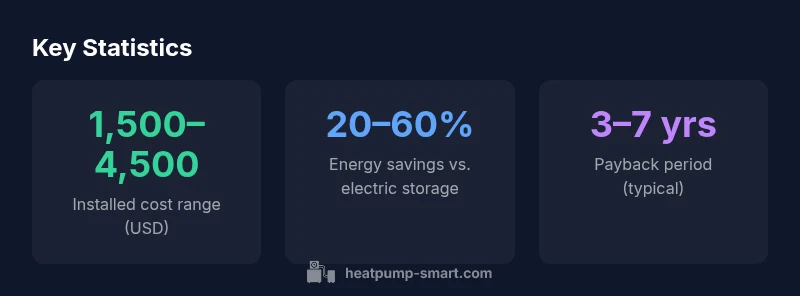
Installed costs for a residential heat pump water heater typically range from $1,500 to $4,500, depending on unit size, efficiency, and installation complexity. In many cases, smaller 40–50 gallon units sit toward the lower end, while larger 60–80 gallon models and premium brands push toward the top. Heatpump Smart Analysis, 2026 notes that operating costs are often lower than traditional electric storage heaters, improving the total cost of ownership over time.
What drives the price of heat pump water heaters
According to Heatpump Smart, homeowners often see price variability driven by unit size, efficiency rating, refrigerant type, and installation complexity. A typical 40–50 gallon heat pump water heater is cheaper upfront than a larger 60–80 gallon model, but the latter can deliver more hot water at lower operating costs. Efficiency ratings (often labeled as Energy Star) influence both the purchase price and long-term electricity use. The installation scenario matters too: existing plumbing, electrical service, and whether a new dedicated circuit is required can add labor costs and sometimes require changes to venting or condensate drainage. Geography also matters — labor rates and permit requirements vary by city and state, subtly shifting the final installed price. As you weigh options, think of price in two parts: the equipment itself and the work to install it.
Cost components explained: unit price vs installation
The upfront investment breaks down into two primary buckets: the heat pump water heater unit itself and the installation. Unit prices for mid-range models commonly fall within a broad band, with premium units at the high end and basic configurations at the low end. Installation costs include professional labor, electrical upgrades if needed, pipe fittings, refrigerant charging, and any required permitting. The total installed cost is the sum of these parts, and it can vary significantly based on local labor markets and how much prep work the space requires. When budgeting, consider a contingency for unexpected issues such as wiring upgrades, venting adjustments, or space constraints that demand additional piping work.
How to estimate your total cost: a practical worksheet
A simple budgeting approach starts with selecting a target water heater size (40–50 gallon for smaller households, 60–80 gallon for larger households). Then, identify a few candidate models and collect their unit prices. Add estimated installation costs from a local plumber or installer, plus any permits. Create a mini spreadsheet that includes: unit price, installation labor, electrical upgrades, and contingencies. This gives you a realistic installed price range. Don’t forget to factor in potential rebates and tax incentives, which can reduce the net upfront cost. If you are unsure, request itemized quotes and a site assessment to uncover hidden charges before signing a contract.
Rebates, incentives, and financing options
In many regions, rebates or incentives reduce the upfront burden of switching to a heat pump water heater. These programs vary by jurisdiction and utility, and they can change year to year. Some programs offer a direct rebate, while others provide a tax credit or financing options with favorable terms. The exact amount is highly dependent on where you live, the system’s efficiency, and whether the project meets broader energy-efficiency criteria. Heatpump Smart recommends checking with your utility provider and local government for current offerings, and exploring financing or lease options if immediate cash outlay is a concern.
Operating costs, energy savings, and payback
Beyond the sticker price, the ongoing operating costs are a major component of total cost of ownership. A heat pump water heater uses ambient heat to heat water, typically delivering substantial energy savings compared with standard electric resistance heaters. The magnitude of savings depends on electricity rates, household hot-water demand, and climate conditions. In many scenarios, homeowners report noticeable reductions in monthly utility bills after installation. The payback period—how quickly savings offset the upfront investment—generally falls in the 3–7 year range, but it can be shorter in regions with high electricity costs or longer where usage is light. Your exact payback depends on usage patterns, local rates, and the presence of rebates.
Installation considerations and best practices
Successful installation hinges on careful site preparation and professional execution. Start with a pre-install assessment: confirm adequate electrical service (ampacity and available circuits), proper clearance around the unit, and a drainage path for condensate. If your existing plumbing is older, or if your panel is undersized, you may need upgrades that add cost but pay off in reliability and efficiency. Choose a licensed plumber or HVAC contractor with heat-pump experience; incorrect installation can undermine efficiency, void warranties, and increase maintenance needs. Plan for noise considerations and the potential for short-term disruption during installation, especially in multifamily buildings.
Choosing the right size and model
Selecting the right size is essential for meeting your household’s hot-water demand without oversizing. A 40–50 gallon model is often adequate for small households, while larger families typically benefit from 60–80 gallon units. Insist on a performance rating that aligns with your peak daily usage, and compare energy factor (EF) or uniform energy rating (UER) numbers across models. If you have simultaneous hot-water needs (sinks, showers, laundry), a larger capacity can reduce the risk of running out of hot water during peak times. Model selection should also consider warranty terms, service availability, and compatibility with existing thermostats and control setups.
Life-cycle costs and maintenance
Life-cycle cost considerations include upfront price, operating costs, maintenance, and the potential for longer service life when installed correctly. Periodic maintenance—cleaning coils, checking refrigerant lines, and inspecting electrical connections—helps sustain efficiency. Compared with traditional electric heaters, HPWHs generally deliver lower operating costs over the unit’s lifespan, but the gains depend on usage, climate, and how well the system is maintained. Budget for annual or biannual inspections, which can prevent minor issues from becoming costly repairs and keep performance near its peak.
Practical buying timeline and decision checklist
If you’re evaluating options, start by defining your household hot-water needs, review multiple models, and obtain at least three quotes. Check unit efficiency ratings and warranty terms, and ask about installation timelines and any required space renovations. Consider timing around utility incentive windows or tax credits, which may influence when you buy. Create a decision checklist with price, payback, reliability, and service quality as core criteria, and document each supplier’s responses in a comparison table. With a disciplined approach, you’ll arrive at a decision that balances upfront cost with long-term value.
Sample cost breakdown for heat pump water heater installation
| Cost Component | Typical Range | Notes |
|---|---|---|
| HPWH unit price | $800–$2,500 | Mid-range to premium units vary by capacity and features |
| Installation labor | $700–$3,000 | Electrical upgrades and permitting can add cost |
| Total installed cost | $1,500–$4,500 | Unit price plus labor and small extras |
| Payback period | 3–7 years | Depends on usage, energy rates, and incentives |
Your Questions Answered
What factors most influence the price of a heat pump water heater?
The main cost drivers are unit size and efficiency, installation complexity, electrical upgrades, and local labor rates. Regional permitting and venting requirements can also affect total cost.
The main price drivers are size, efficiency, and installation work. Local permits and electrical upgrades can add to the cost.
How does size affect cost and performance?
Larger units cost more upfront but provide more hot water, which can reduce the risk of running out during peak usage. For smaller households, a 40–50 gallon unit may be sufficient and keep costs down.
More capacity costs more upfront but helps meet higher hot-water demand.
Are rebates or tax incentives available for heat pump water heaters?
Yes, many regions offer rebates or tax incentives. Availability and amounts vary by location and program year. Check with your utility and local government for current options.
Rebates vary by region—check local programs for current offers.
What is a realistic payback period?
A typical payback period ranges from about 3 to 7 years, influenced by electricity rates, water usage, and incentives. In high-rate regions, payback tends to be shorter.
Expect 3 to 7 years to recoup the investment, depending on rates and incentives.
Does climate affect heat pump water heater performance?
Yes. Cooler climates can slightly reduce efficiency, while milder climates typically see better performance. Location affects heat exchange and overall running costs.
Yes—climate influences efficiency and running costs.
Is professional installation required?
Professional installation is strongly recommended to ensure electrical readiness, proper venting, and warranty compliance. DIY installation may void warranties and raise risk of issues.
Hire a licensed pro to install and connect for safety and warranty.
“Choosing a heat pump water heater should be guided by total cost of ownership, not just upfront price. With proper sizing and professional installation, most homes realize meaningful energy savings over time.”
Top Takeaways
- Estimate total cost by adding unit price and installation.
- Expect wide price ranges based on size and complexity.
- Check regional rebates to lower upfront costs.
- Expect meaningful energy savings that improve payback time.
- Choose the right size to avoid under- or over-sizing