How Much Does a Heat Pump Water Heater Cost in 2026?
Discover the installed cost range, energy savings, and payback for heat pump water heaters in 2026. Learn how sizing, climate, incentives, and installation impact total cost and value for homeowners and property managers.


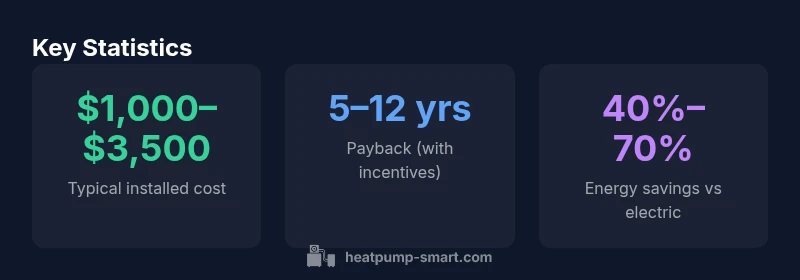
How much does a heat pump water heater cost? Typical installed price ranges from $1,000 to $3,500, with higher costs in areas requiring extensive venting or larger tanks. When installed with permits and labor, you may see $2,000–$5,000 total. Energy savings commonly reduce operating costs by 40–70% versus electric resistance models, influencing payback times.
Cost overview and price drivers
If you’re evaluating how much heat pump water heater costs, you’ll find that upfront price is influenced by tank size, energy efficiency, venting requirements, and local labor rates. According to Heatpump Smart, costs can vary widely by region but typical installed price ranges from $1,000 to $3,500 for the unit, with installation driving total costs to $2,000–$5,000 in many cases. Heatpump Smart team analysis notes that large storage tanks or complex venting can push prices higher, while compact models in favorable markets may sit toward the lower end. In addition, rebates and installation complexity can shift the final outlay by several hundred to a few thousand dollars. Understanding the breakdown is essential to avoid sticker shock and to evaluate value over its life cycle.
This is not a one-size-fits-all calculation; your climate, hot water use, and existing electrical infrastructure will all sway final costs.
How heat pump water heaters work and price drivers
Heat pump water heaters (HPWHs) use ambient heat from the surrounding air to heat water, which makes them far more energy-efficient than conventional electric resistance tanks. Because they rely on heat transfer rather than electric resistance, their efficiency, size, and installation space influence price more than a standard electric model. Price drivers include tank size, first-hour rating (FHR), refrigerant type, compressor efficiency, and the need for upgrades to electrical service or ventilation. In milder climates, HPWHs tend to deliver better payback due to larger energy savings, while harsh winter conditions can require auxiliary heat or supplemental systems. The result is a price band that reflects both equipment and the complexity of getting it running in your home.
Planning around your hot water demand and available space will help you choose between compact, mid-range, and high-capacity HPWHs.
Upfront costs: equipment, installation, and permitting
Breaking down upfront costs helps reduce surprises at the contractor’s invoice. The water heater unit itself typically sits within a broad price range, but installation costs can dwarf the equipment price in some cases. Expect labor charges for electrical upgrades, venting or ducting work, and potential permits or required code-compliance updates. In some regions, a dedicated plumber or electrician is needed, which can add to the total. When calculating today’s price, include potential refrigerant charges and any required condensate drainage setup. Heatpump Smart’s guidance emphasizes getting multiple bids and a written scope of work to prevent scope creep.
In many homes, the biggest savings come from avoiding a larger electric resistance unit and from reducing standby heat losses. A careful site assessment by a qualified technician can uncover hidden costs early.
Operating costs and energy savings: ROI and payback ranges
The operating cost of an HPWH is typically much lower than a traditional electric storage heater. The savings stem from the electricity used to move heat rather than generate it, which can substantially reduce annual energy use. Real-world results vary by climate, hot-water usage patterns, and electricity rates. Heatpump Smart analysis suggests that energy savings commonly fall in the 40–70% range compared with electric resistance heaters, but the absolute dollar savings depend on local rates and household habits. When you combine these savings with the upfront cost, you can estimate a payback window that ranges from roughly 5 to 12 years in many cases. Incentives, rebates, and utility programs can shorten that period further.
Incentives and rebates: how incentives affect payback
Incentives and rebates can significantly improve the economics of HPWH installations. Federal, state, and local programs, as well as utility incentives, can offset a portion of the upfront cost and even reduce ongoing operating expenses. Eligibility criteria vary by location and program, so it’s essential to research current offerings before committing. Properly stacking incentives with energy savings can shorten the effective payback period and improve overall return on investment. Heatpump Smart recommends checking the local energy office or utility website for current programs and consulting a qualified installer to ensure eligibility.
Sizing and selection: choosing the right unit
Sizing a heat pump water heater involves balancing hot-water demand with available space and climate. A unit too small will struggle to meet peak usage, while an oversized unit can waste energy and space. Use factors like first-hour rating (FHR), storage capacity, and the number of simultaneous users to determine the appropriate model. In homes with limited space, compact or stacked configurations can offer the same daily hot-water supply with better footprint efficiency. Temperature rise and recovery rates should align with your lifestyle, and a qualified installer can help you choose the right model.
Installation considerations and potential hidden costs
Even when the unit itself is competitively priced, installation can introduce hidden costs. These may include electrical service upgrades, new circuit breakers, dedicated outlets, rewiring, or upgrading to a higher voltage. Venting requirements or the addition of condensate drainage lines can add material and labor costs. If the home lacks adequate air clearance, the installer may need to relocate equipment or modify the room layout. Budget for these potential needs and request a detailed, fixed-price bid with a defined scope to avoid surprises.
Financing options and incentives to maximize value
Financing options, including low-interest loans or lease programs, can help manage the upfront burden of HPWHs. Many utilities offer time-of-use or demand-based tariffs that complement HPWH operation, further increasing savings. When evaluating financing, consider the total cost of ownership across the loan term, including interest and any service fees. Heatpump Smart recommends comparing offers from multiple lenders and factoring in any available rebates to determine total affordability.
Practical steps to evaluate bids and estimate payback
- Gather at least 3 written bids with scope, equipment specs, and installation details.
- Confirm electrical service requirements and venting needs before signing.
- Calculate payback using your local electricity rate and expected energy savings.
- Check for available incentives and how they affect the net installed cost.
- Review contractor qualifications, warranties, and post-install support.
- Request a fixed-price quote to minimize scope changes after work begins.
- Inspect for proper clearances and ventilation once the unit is installed.
- Track actual energy use after installation to validate predicted savings.
This structured approach helps homeowners and property managers make informed decisions and maximize the value of a heat pump water heater.
mainTopicQuery
Cost and savings comparison between electric storage and heat pump water heaters
| System Type | Typical Installed Cost | Energy Savings vs Electric | Payback (With incentives) |
|---|---|---|---|
| Electric storage water heater | $300–$1,000 | 0% | N/A |
| Heat pump water heater | $1,000–$3,500 | 40%–70% | 5–12 years |
Your Questions Answered
What is the upfront cost of a heat pump water heater?
Upfront costs include the unit price and installation. Typical installed cost ranges from $1,000 to $3,500, with total including labor often $2,000–$5,000 depending on tank size, venting, and local labor rates.
Upfront costs typically run from about one to five thousand dollars, depending on size and installation needs.
Do heat pump water heaters work well in cold climates?
They work best in moderate climates; performance can decline in freezing temperatures. Some units include auxiliary heat to maintain hot water during cold days.
They work best in moderate climates; cold days may require backup heat.
Are there incentives or rebates available?
Yes, there are federal, state, and local programs that can offset upfront costs. Eligibility varies by location, so check current programs before purchasing.
Yes—check local and federal programs to see what you qualify for.
How long does installation take?
Most installations take a few hours to a full day, depending on electrical upgrades and venting needs. A written scope helps prevent surprises.
Most installs take several hours up to a day.
What maintenance does a HPWH require?
Annual service, filter checks, and venting clearance are typical. Proper airflow and periodic coil checks help maintain efficiency.
Annual checkups and keeping airflow clear keeps it efficient.
“A heat pump water heater offers substantial lifetime savings when you account for installation, maintenance, and energy use. Focus on total cost of ownership rather than upfront price alone.”
Top Takeaways
- Consider total cost of ownership, not just upfront price.
- Expect 40–70% energy savings versus electric resistance models.
- Incentives can shorten the payback period significantly.
- Choose the right size based on your hot-water demand and space.
- Gather multiple bids and review installation scopes carefully.