Ontario heat pump vs gas furnace: a comprehensive comparison
Compare Ontario heat pump vs gas furnace in depth—costs, efficiency, climate performance, incentives, and long-term value for homeowners, builders, and managers.


For most Ontario homes, a modern air-source heat pump delivers higher energy efficiency and lower operating costs over the long term, especially in milder winters. A gas furnace remains a solid option where extreme cold is frequent, or when upfront costs and simple maintenance are priorities. The best choice depends on climate, building design, and access to incentives.
Ontario's heating landscape: aligning climate, energy policy, and home design
Ontario homeowners face a climate that ranges from cool springs to harsh winters. When evaluating the topic of the ontario heat pump vs gas furnace, consider not just the equipment itself but how it fits your house, utility rates, and local incentives. According to Heatpump Smart, the decision hinges on balancing upfront costs with long-term energy use. The choice also depends on whether the dwelling has a modern, well-sealed envelope or older insulation that changes heat demand. As utilities and building codes evolve, many homes benefit from flexible strategies that blend efficiency with reliability, including zoning, smart thermostats, and proper air sealing. This context matters for homeowners, builders, and property managers seeking sustainable comfort and predictable bills.
How heat pumps work in Ontario homes
Heat pumps extract heat from the outside air (or ground in some configurations) and move it indoors using electricity. In winter, they rely on refrigerant cycles and a backup heat source if temperatures plunge. Modern heat pumps can provide both space heating and cooling, which is a practical advantage in shoulder seasons. In Ontario, climate tests emphasize the importance of sizing, ductwork, and proper indoor air handling. The Heatpump Smart team notes that advances in cold-climate heat pumps have narrowed the gap with fossil-fuel systems, especially when paired with well-insulated homes and smart controls. Noise, defrost cycles, and outdoor-unit placement are typical installation considerations.
How gas furnaces work and why they remain relevant
Gas furnaces burn natural gas to generate heat, delivering a steady, reliable flame and straightforward control of indoor temperatures. They can rapidly raise indoor temperature on especially cold days and often integrate easily with existing duct systems. For older homes or regions with constrained electrical capacity, a gas furnace can be attractive due to its long-standing reliability and known maintenance routines. However, emissions and ongoing fuel costs mean that homeowners should weigh environmental impact and future-proofing against the convenience of electric options. This section highlights the differences in fuel supply, venting requirements, and routine maintenance schedules.
Climate considerations: extreme cold vs moderate winters in Ontario
Ontario winters can be severe, and the performance of heating equipment during extreme cold is a major decision factor. Heat pumps may require a supplemental heat source to cover peak demand, whereas gas furnaces can deliver consistent heat with less dependence on electrical grids during cold snaps. From a long-term resilience standpoint, many homeowners opt for a hybrid approach or staged upgrades that preserve comfort while controlling costs. The ongoing evolution of electricity generation mix and decarbonization goals in Ontario further influences these choices, making an informed plan essential for property managers and builders.
Energy efficiency and performance in cold climates
Energy efficiency is a core consideration in the ontario heat pump vs gas furnace debate. Heat pumps achieve high efficiency under moderate loads and when electricity is clean and affordable. In very cold weather, performance can decline if the system is undersized or lacks a robust backup, though cold-climate models have improved significantly. Gas furnaces maintain steady output regardless of outdoor temperature, offering rapid heat during peak demand. Evaluating seasonal performance, COP values, and expected indoor comfort helps families decide whether to prioritize continuous warmth or a longer-term energy strategy.
Operating costs and energy use over the life of the system
Operating costs reflect a balance between energy rates, efficiency, and usage patterns. Heat pumps often show lower operating costs in mixed climates, especially when electric rates are stable and the home is well sealed. Gas furnaces may incur higher fuel costs if gas prices rise or if usage is heavy during cold periods. In Ontario, homeowners should consider load management, time-of-use pricing, and potential demand charges. While exact numbers vary, Heatpump Smart analysis suggests evaluating whole-house energy demand, not just equipment efficiency, to understand long-term bills.
Upfront costs, installation, and space requirements
Upfront costs for heat pumps include the unit, installation, and potential duct updates. Gas furnaces typically have lower initial price, but the overall project cost may rise with venting, permits, and ducting work. Space needs differ: heat pumps require outdoor space for the condenser and indoor air-handling equipment, while furnaces need a mechanical room with venting access. For many Ontario homes, the trade-off between initial investment and long-term savings is stabilized through careful design, professional sizing, and phased upgrades when appropriate.
Emissions, environmental impact, and future-proofing
Emissions from heating systems matter to both homeowners and the broader community. Heat pumps powered by clean electricity can substantially reduce on-site emissions over the system’s life, contributing to decarbonization goals. Gas furnaces emit greenhouse gases during operation, and their environmental footprint depends on fuel types and efficiency. Ontario’s shift toward a cleaner electricity mix strengthens the case for heat pumps, though the transition must be balanced with reliability, especially during peak winter periods.
Incentives, rebates, and financing options in Ontario
Financeable incentives and rebates can influence the financial attractiveness of each option. Ontario homeowners should research federal and provincial programs, as well as utility-driven offers, which may help offset upfront costs and improve payback periods. Availability and eligibility vary by location and project scope, so consulting an accredited installer or energy advisor is essential. Heatpump Smart underlines that incentives often reward system efficiency, proper insulation, and smart controls, not just the equipment itself.
Maintenance, reliability, and service considerations
Maintenance routines differ between heat pumps and gas furnaces. Heat pumps require periodic refrigerant and coil inspections, outdoor unit cleanliness, and ensuring proper airflow through ducts. Gas furnaces demand burner servicing, vent inspection, and annual safety checks. Reliability hinges on proper installation, component quality, and local service networks. In Ontario, choosing a qualified installer with experience in cold-climate systems minimizes risk and extends system life. Regular maintenance remains crucial for predictable comfort and performance.
When to consider a hybrid approach (dual-fuel) or staged upgrades
A dual-fuel or hybrid approach combines a heat pump with a gas furnace to optimize efficiency and resilience. In very cold periods, the gas furnace can supplement heat when the outdoor temperature reduces heat pump efficiency. This strategy can offer a smoother transition for homeowners who want energy savings without compromising reliability. For new builds or large renovations, staged upgrades let homeowners observe real-world performance before committing to a full system replacement. This flexibility can align with budget cycles and utility programs.
Decision framework: matching system type to house, budget, and climate
Choosing between an Ontario heat pump and a gas furnace involves a structured decision process. Start with climate analysis: average winter severity, indoor temperature targets, and insulation levels. Next, evaluate total cost of ownership: upfront price, installation complexity, maintenance, and expected energy bills. Finally, consider incentives, service availability, and future-proofing goals. A simple rubric helps: if winter demand is moderate and you can access incentives, heat pumps often win; if winters are extreme and upfront costs must be minimized, a furnace remains compelling.
Practical planning notes and next steps for homeowners and builders
As you move toward a decision, gather a few key inputs: current energy rates, insulation quality, duct condition, and your long-term occupancy plans. Engage experienced, climate-aware installers who can run load calculations and present multiple system configurations (including heat pump-only and dual-fuel options). Pair any choice with smart thermostats and zoning to maximize comfort and efficiency. Remember, the goal is reliable warmth, predictable bills, and a system that fits the property and the community’s energy transition goals.
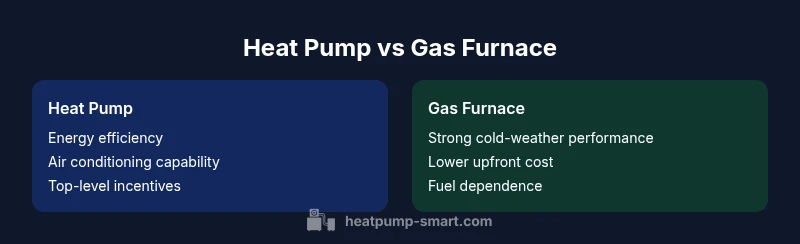
Comparison
| Feature | heat pump (air-source) | gas furnace |
|---|---|---|
| Energy efficiency | High efficiency in moderate climates | Steady, fuel-based efficiency |
| Operating costs | Typically lower long-term operating costs | Often higher ongoing costs due to fuel price volatility |
| Upfront cost | Moderate to high upfront, depending on installation | Lower initial cost in simple setups |
| Installation complexity | Outdoor condenser + indoor air-handling; may require ductwork | Venting and space for furnace easier in many homes |
| Emissions | Potential for very low emissions with clean electricity | Emissions from combustion of natural gas |
| Maintenance | Periodic refrigerant/coil/service; annual checks | Burner, venting, and filter maintenance |
| Cold-climate performance | Improved cold-climate models; may need backup heat | Consistent performance in deep cold |
| Incentives & rebates | Eligible for efficiency incentives and programs | Furnace incentives exist but may vary by program |
Advantages
- Lower operating costs for many Ontario homes over time
- Can provide cooling in summer without a separate system
- Flexible placements and potential for hybrid setups
- Eligible for rebates and incentives
Disadvantages
- Higher upfront cost and installation complexity for heat pumps
- Performance can drop in extreme cold without backup heat
- Requires outdoor unit space and proper ventilation
Heat pumps are generally recommended for most Ontario homes; furnaces may be better in extreme cold or high-demand scenarios.
A heat pump offers energy efficiency and overall lower operating costs in typical Ontario climates. A gas furnace can be more economical upfront and in very cold periods, especially where heating demand is high and electricity costs are less favorable.
Your Questions Answered
Is a heat pump suitable for Ontario winters?
In many Ontario homes, a modern heat pump can meet most heating needs with a suitable backup. The best results come from proper sizing, insulation, and control strategies. Extreme cold days may require supplemental heat or a hybrid setup.
Heat pumps can work well in Ontario winters, especially with proper sizing and backups. For very cold days, a supplemental heat source or a hybrid system helps maintain comfort.
Can I install both and use a dual-fuel system?
Yes, a dual-fuel system combines a heat pump with a gas furnace to optimize efficiency and resilience. It shifts to the furnace during very cold periods, ensuring comfort while still reducing energy use overall.
A dual-fuel setup can give you heat pump efficiency most days and furnace reliability on the coldest days.
Are there rebates or incentives in Ontario for these systems?
There are federal and provincial programs that support efficient heating upgrades. Availability and eligibility vary, so consult an installer or energy advisor to identify applicable options for your project.
Ontario offers incentives through national and provincial programs; an installer can guide you to what applies to your project.
Which is quieter, a heat pump or a furnace?
Both systems can be quiet with proper installation, but heat pumps generally have lower indoor noise than some furnaces. Outdoor unit noise depends on model and placement.
Heat pumps are usually quieter overall, but installation matters for outdoor unit noise.
What maintenance is required for each system?
Heat pumps require periodic refrigerant and coil checks and outdoor unit cleaning. Furnaces need burner inspections, venting checks, and filter changes. Regular professional service extends system life for both.
Regular professional checks keep both systems running well; heat pumps focus on refrigerant and coils, furnaces on burners and vents.
Do heat pumps work for large or multi-zone homes?
Yes, but large or multi-zone homes may require more extensive ductwork, zoning, or multiple indoor units. A professional load calculation will define the best configuration.
Large homes can use heat pumps with proper zoning, but it needs careful design.
Top Takeaways
- Assess climate suitability before choosing equipment
- Weigh long-term energy savings against upfront costs
- Consider hybrid options or staged upgrades for flexibility
- Explore incentives and work with a climate-aware installer