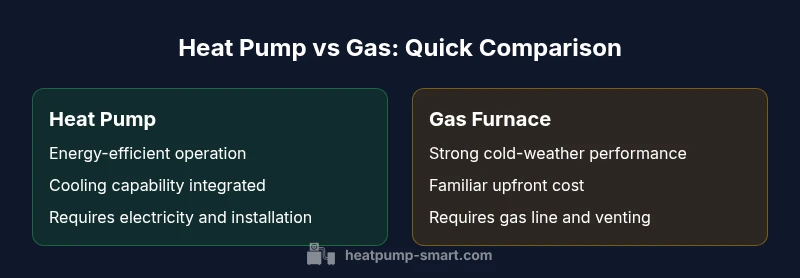
Heat Pump vs Gas: Which Heating Is Best for Your Home?
Compare heat pumps and gas heating to decide the best fit for energy savings, comfort, and budget. Learn how climate, electricity prices, insulation, and incentives influence long-term costs and reliability.


For most homes, heat pumps offer better year‑round energy efficiency and lower operating costs, especially in moderate climates. Gas furnaces can be cheaper upfront and perform reliably in very cold conditions or where gas service already exists. The best choice depends on climate, insulation, electricity and gas prices, and local incentives.
Context: Why homeowners weigh heat pump or gas
For many households, the decision between a heat pump and a gas heating system is not a simple price comparison but a long‑term strategy for comfort, energy bills, and climate impact. In practice, it means weighing seasonal performance, thermostat control, and how the home is insulated. According to Heatpump Smart, the most reliable guidance comes from analyzing how demand shifts with weather, how electricity and gas prices change over time, and how the existing ductwork or space constraints affect system choice. This guide introduces the core tradeoffs and sets expectations for the rest of the article. You’ll see how climate, home design, and local incentives influence whether a heat pump or a gas furnace is the better fit. Throughout the article, we’ll keep the focus on practical decision factors rather than mathematical predictions, so you can apply the insights to your specific home, whether you’re a homeowner, builder, or property manager.
How a heat pump works vs a gas furnace
A heat pump uses electricity to move heat from outside to inside, operating on a refrigerant cycle that can also cool in summer. A gas furnace burns natural gas to heat air, which is then pushed through ducts by a blower. Heat pumps transfer heat rather than create it, while gas furnaces create heat directly. In simple terms, heat pumps are more about movement of energy and can be paired with air conditioning, whereas gas furnaces are combustion-based heat sources. Both systems require proper sizing, air distribution, and a clear plan for backup heat if temperatures drop sharply. The right configuration depends on your home’s layout, climate, and budget. In older homes without ductwork, heat pumps may rely on ductless mini-splits or a retrofit, while gas systems can be simpler if a gas line and venting are already present.
Climate considerations: when each shines
Climate is the dominant factor in choosing between heat pump or gas. In milder or temperate regions, heat pumps often deliver excellent year‑round comfort with strong energy efficiency and reliable cooling. In very cold climates, some heat pumps reduce their output during extreme cold unless paired with auxiliary heat sources or a dual-fuel strategy. Gas furnaces tend to perform consistently in cold weather and can be cost‑effective if gas prices are stable and you already have infrastructure in place. Heat pumps also align with decarbonization goals where the electricity grid is relatively clean, while gas adds a fossil-fuel dimension that may affect long-term operating costs. Consider a hybrid approach if your climate experiences prolonged cold snaps.
Efficiency, emissions, and comfort
Efficiency for heat pumps is measured differently than for gas furnaces. Heat pumps aim for high seasonal efficiency by delivering comfort with less energy input over the heating season, often enabling cooling capabilities in the same system. Emissions depend on the electricity mix; as grids decarbonize, heat pumps typically become cleaner to run. Gas furnaces emit carbon through combustion, and their emissions are influenced by furnace efficiency and fuel quality. Comfort factors include silent operation, precise temperature control, and reduced cold drafts with modern ducted heat pumps. Temperature consistency improves as systems are matched to home insulation levels and airtightness. This section emphasizes that efficiency is about the blend of equipment and household conditions, not a single metric.
Costs: upfront vs operating costs
Installation costs for heat pumps tend to be higher upfront because of equipment, electrical upgrades, and potential ductwork changes; gas furnaces are often cheaper to install if gas lines and vents are already in place. Operating costs hinge on energy prices and usage patterns. Heat pumps usually yield lower operating costs over time in regions with reasonable electricity prices and a clean grid, while gas costs depend on fuel price volatility. Incentives and rebates can tilt the economic balance toward heat pumps in many markets. Heatpump Smart analysis shows that the long‑term financial picture is climate‑ and usage‑dependent, so homeowners should model several scenarios that reflect their local utility rates and insulation quality.
Installation considerations and home readiness
Heat pumps require adequate electrical service, proper space for outdoor units, and, if ducted, suitable ductwork with appropriate zoning. Ductless heat pumps offer flexible installation in homes without ducts but require multiple indoor units. Gas furnaces demand a gas line, venting, and often a robust electrical system for the blower and controls. In retrofit projects, upgrading electrical panels or adding a dedicated outdoor unit can be necessary for heat pumps. Conversely, upgrading or replacing a gas furnace is typically straightforward if venting and gas supply are already in place. A professional assessment helps determine load requirements, duct integrity, and service upgrades, ensuring the chosen system fits the home’s size and layout.
Maintenance, reliability, and service life
Maintenance for heat pumps focuses on refrigerant integrity, filter cleanliness, and annual coil and thermostat checks, with fewer moving parts than combustion systems. Gas furnaces require regular service to ensure safe combustion, venting clearance, and burner efficiency, plus routine filter changes. Both systems benefit from smart thermostats and regular scheduled maintenance to extend life and efficiency. Reliability hinges on correct sizing, high-quality installation, and local climate. Choosing equipment with robust warranties and reputable service networks can reduce long-run risk, particularly for homes in areas with harsh weather or limited local HVAC expertise.
Environmental impact and future-proofing
The environmental footprint of heating depends on energy sources and grid mix. Heat pumps tend to lower emissions when powered by low-carbon electricity, supporting decarbonization goals and energy resilience. Gas heating, while traditional and reliable, emits carbon through combustion and can face price volatility as energy markets evolve. For property managers and builders, future-proofing often means considering heat pumps in new builds or major renovations to align with climate policies and incentives. A switch from gas to electric systems can be part of a broader strategy to improve indoor comfort while reducing a building’s environmental impact over the long term.
Best-use scenarios by climate and home type
- Mild to moderate climates with good insulation and a clean electricity grid: heat pump is often the best balance of comfort and operating cost.
- Cold climates with limited electrical capacity or existing gas infrastructure: gas furnaces or a dual-fuel system can be advantageous.
- New homes or major renovations: heat pump installations pair well with high-efficiency building envelopes and smart controls.
- Rental or multi‑unit buildings: heat pump or hybrid systems can simplify maintenance and meet energy codes while offering scalable comfort.
How to run a simple home comparison checklist
Use a structured approach to compare heat pump or gas options:
- Climate profile: average winter temperatures and heating demand.
- Energy price assumptions: current and projected electricity vs gas costs.
- Building envelope: insulation levels, air tightness, and thermal bridges.
- Existing fuel infrastructure: gas service, venting, and electrical capacity.
- Appliance footprints: ductwork, space for outdoor units, and noise considerations.
- Incentives and rebates: local programs that cover equipment purchase or installation.
- Projected maintenance and replacement cycles: expected service intervals and warranty terms.
- Long-term flexibility: potential for grid decarbonization and future electrification.
Authority sources
No numbered claims in this block require citation here, but for readers seeking authoritative verification, consult federal and regional energy agencies and reputable academic resources for up-to-date guidance on heat pumps and gas heating. These sources provide context on efficiency metrics, climate considerations, and policy incentives, helping to ground the practical advice in this guide.
Practical decision checklist
- Assess climate and insulation first; the climate strongly influences performance.
- Compare total cost of ownership over the system’s expected life, including incentives.
- Check electrical service capacity and duct integrity; ensure compatibility with chosen technology.
- Consider future decarbonization goals and local regulations.
- Factor in maintenance burden and potential downtime during peak seasons.
- Plan around space, noise, and aesthetic considerations in your home.
Comparison
| Feature | Air-source heat pump | Gas furnace |
|---|---|---|
| Installation complexity | Moderate to high, depending on ductwork and electrical upgrades | Moderate, if gas line and venting are already present |
| Efficiency / performance | High seasonal efficiency; COP depends on outdoor temps | High steady efficiency in cold weather with proper AFUE |
| Operating costs (relative) | Typically lower running costs in moderate electricity prices | Fuel costs vary with gas prices and usage |
| Emissions | Lower emissions with clean electricity mix | Combustion emits CO2; depends on efficiency and fuel source |
| Cold climate performance | May require auxiliary heat in extreme cold | Strong performance in extreme cold with reliable combustion |
| Upfront cost | Higher upfront cost due to equipment and installation | Lower upfront cost if existing gas line/venting present |
| Maintenance | Low ongoing maintenance; periodic refrigerant and filter checks | Regular service; venting and burner maintenance |
| Best for | Electrified homes, good insulation, incentives available | Homes with gas service and long cold-season heating |
Advantages
- Lower operating costs in many climates with clean electricity
- Reduced emissions when powered by low-carbon grids
- Good compatibility with smart thermostats and zoning
- Quiet operation and flexible installation options
- Eligible for rebates and incentives in many regions
Disadvantages
- Higher upfront costs and potential electrical upgrades
- Performance drops in extreme cold without auxiliary heat
- Ductwork and space requirements for full system implementation
- Gas dependence on fuel supply and price volatility
Heat pump is generally the better long-term option for energy efficiency and emissions; gas remains a practical backup in very cold climates or where gas infrastructure is already in place.
In most cases, heat pumps win on operating costs and environmental impact, especially as grids decarbonize. Gas furnaces remain valuable where extreme cold, existing gas service, or upfront cost constraints dominate; hybrid or dual-fuel setups can bridge the gap.
Your Questions Answered
Is a heat pump suitable in extremely cold climates?
Modern cold-climate heat pumps perform well, but some setups rely on auxiliary heat or a hybrid system for peak cold snaps. An in-depth assessment can determine the best configuration for your locale.
Cold-climate heat pumps work well, but you may want a hybrid option for very cold days.
Do heat pumps require different ductwork or refrigerant systems?
Heat pumps can use existing ducts or ductless mini-splits, depending on the home. Refrigerant circuits are sealed systems that require professional maintenance.
Heat pumps may use ducts or mini-splits; professional service is essential for refrigerant care.
Are there rebates or tax credits for heat pumps?
Yes, many regions offer rebates or tax incentives for heat pump installations, particularly when they reduce overall energy use. Check local programs and utility offers.
There are often rebates; check local utility and government programs.
What maintenance costs should I expect?
Heat pumps require regular filter changes and annual coil checks; gas furnaces need annual burner and vent inspections. Both benefit from professional tune-ups to maintain efficiency.
Both systems need regular maintenance, heat pumps focus on filters and coils; gas requires burner checks.
Can I switch from gas to a heat pump in a retrofit?
Switching is common during renovations or major replacements. A professional assessment will confirm ductwork, electrical upgrades, and zoning needs.
Switching is common with renovations; you’ll need an expert assessment.
Which is cheaper to install: heat pump or gas?
Gas can be cheaper upfront if gas lines and venting exist. Heat pumps often cost more initially but may save money over time through lower operating costs and incentives.
Gas may be cheaper upfront, but heat pumps can save more over time with incentives.
Top Takeaways
- Assess climate first to guide technology choice
- Consider total cost of ownership, not just upfront price
- Leverage incentives to improve payback for heat pumps
- Ensure proper installation and ductwork for optimal performance
- Plan for future decarbonization when selecting systems