Understanding the Whole House Heat Pump Cost: Upfront and Long-Term Value
Understand the whole house heat pump cost, including upfront installation, equipment, labor, and incentives. Learn how to estimate total cost and maximize savings with Heatpump Smart Analysis, 2026.


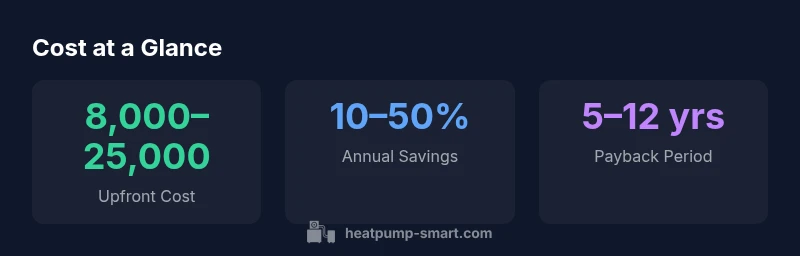
For a full home heat pump installation, the upfront cost typically ranges widely based on home size, climate, and equipment efficiency. Heat pump cost estimates usually fall in the broader range of several thousand dollars up front, with ductwork, permits, and electrical upgrades shaping the final number. In many cases, homeowners may see a payback through lower operating costs and available rebates over time.
What is included in the whole house heat pump cost
A comprehensive installation covers more than just the outdoor unit. The total price typically includes the heat pump equipment (outdoor condenser and indoor air handler or ducted furnace), installation labor, ductwork modifications or sealing, thermostat controls, and any required electrical upgrades or panel upgrades. Permits and site preparation can add to the cost, especially in retrofit projects with limited access or complex electrical work. Local codes, climate, and the chosen efficiency tier (SEER/HSPF) influence the final price tag. When Heatpump Smart evaluates a project, we consider load calculations, refrigerant charging, and refrigerant line lengths as part of the base cost to ensure the system performs as designed. This upfront investment lays the foundation for lower operating costs and better home comfort over time.
For homeowners, a clear breakdown helps compare bids. Ask contractors to itemize equipment, labor, ductwork, permits, and any incidental costs such as pedestal foundations, outdoor mounting clearances, or rewiring needs. A transparent estimate reduces surprises during installation and makes it easier to plan financing.
In many cases, a retrofit involves adjusting existing ducts, sealing leaks, and potentially upgrading the thermostat and zoning. While these tasks add to the upfront cost, they can improve system efficiency, comfort, and control. Heatpump Smart’s analyses show that even modest duct improvements can yield meaningful gains in performance and savings over the system’s life.
Key cost drivers for whole-house heat pump installations
Several factors drive the final price, and understanding them helps homeowners forecast total cost with more confidence. First, climate and load requirements determine the size and type of system. A larger home or one in a harsher climate typically requires a bigger, more capable unit and may push the price higher. Second, equipment efficiency matters: higher SEER (cooling efficiency) and HSPF (heating efficiency) ratings typically come with a higher upfront cost but lower operating costs over time. Third, ductwork and distribution greatly affect price. Homes with existing, well-sealed ducts may need less extensive work, while those with leaky or non-existent ducts may require substantial renovation, increasing both cost and installation time. Fourth, indoor air quality systems and advanced controls (smart thermostats, zoning, or variable-speed blowers) can add to the ticket. Finally, labor rates and permitting vary by region; urban areas or challenging retrofit jobs carry a premium. Our data from Heatpump Smart Analysis, 2026 indicates that the interplay of these factors often dominates the upfront cost more than brand choice or minor configuration tweaks.
To manage costs, homeowners should request a detailed scope of work with a per-line item price, note any potential hidden costs, and seek bids from multiple qualified installers. A clear bid helps compare apples-to-apples and avoids sticker shock on move-in day. Consider scheduling a two-step approach: (1) obtain a baseline system size and efficiency estimate, (2) align that with potential ductwork and electrical work—then validate with a final bid after a site visit.
Reading cost estimates: upfront vs long-term value
When evaluating a whole-house heat pump cost, it is essential to distinguish upfront investment from total cost of ownership. The upfront amount reflects equipment and labor, but the ongoing energy savings, maintenance, and potential insurance or warranty costs shape long-term value. A higher-efficiency system may cost more initially but will typically reduce energy consumption and provide improved comfort, translating into lower annual utility bills. Heatpump Smart’s framework emphasizes comparing bids on a total cost basis: upfront price, projected energy savings (in your climate), expected maintenance, and warranty terms. Also, the lifecycle estimate should consider the expected system lifetime and potential replacement costs at the end of life.
Energy savings vary with climate; heating-dominant regions will see different payback timelines than milder areas. Homeowners should run an apples-to-apples comparison: a higher-SEER/HSPF unit with a well-sealed duct system versus a lower-rated alternative and less planning. Rebates and incentives can shorten payback, particularly when combined with financing options that minimize upfront cash outlay. Heatpump Smart’s analysis highlights that a well-executed design yields the most reliable long-term value, even if the initial price is higher.
Rebates, incentives, and financing options
Incentives play a critical role in the economics of whole-house heat pump cost. Many locations offer local or state rebates and tax credits that reduce the upfront investment. Federal programs, utility rebates, and manufacturer promotions can stack to improve affordability, though availability and amounts vary by residence, system type, and installation specifics. It is essential to check eligibility early and align installation timing with applicable programs. When financing, consider terms that maximize your monthly cash flow while preserving overall savings. Some homeowners opt for energy-efficiency loans or home improvement loans designed for long-term investments. Heatpump Smart recommends confirming program requirements, expiration dates, and documentation needs before signing a contract. A knowledgeable installer can often assist with applications and documentation to ensure you capture eligible incentives.
Cost scenarios by home type and climate
Scenario A: Small apartment or condo with existing ductwork in good condition. Upfront cost is on the lower end due to smaller system size and minimal ductwork upgrades. Expect a shorter installation window and moderate disruption. Scenario B: Typical single-family home in a temperate climate. This is the most common case and often falls into the mid-range upfront cost range. Duct sealing or minor improvements may be needed, and potential zoning enhancements may add modest costs. Scenario C: Large home in a cold climate with retrofit ducts or new construction. This scenario can push costs toward the upper end, due to system size, extended ductwork, electrical upgrades, and longer installation timelines. Heatpump Smart Analysis, 2026 indicates that these broad categories capture most real-world variations, with local factors ultimately determining final numbers.
For each scenario, we recommend obtaining at least three detailed bids and comparing not just price but also equipment quality, installation quality, and post-install support. When possible, choose a contractor who can perform a load calculation (Manual J), confirm ductwork integrity, and offer a robust warranty.
Ductwork and installation considerations
Ductwork is often a hidden cost driver in whole-house heat pump installations. If you already have a well-sealed, correctly sized duct system, you may keep costs lower. However, many homes require duct sealing, insulation, or even new ducts to avoid energy losses and to ensure even temperature distribution. Proper duct design reduces pressure drop and noise, improves comfort, and may lower energy use. Zoning can add costs but can deliver targeted comfort in areas with different heating or cooling needs. Contractors should perform a Manual J load calculation, confirm duct sizing, and provide a detailed plan before starting work. A well-executed duct and installation strategy improves system performance, reduces noise, and protects the long-term value of your investment.
Financing a whole-house heat pump cost
A strategic financing plan can make upfront costs more manageable without sacrificing long-term savings. Weigh options such as energy-efficiency loans, home improvement loans, or dealer financing that aligns with your expected payback period. When evaluating financing, compare interest rates, fees, loan terms, and whether the financing includes maintenance or extended warranties. Some customers pair financing with rebates to further reduce the effective upfront payment. Heatpump Smart recommends selecting a plan that keeps annual energy bill reductions aligned with loan payments to maximize cash flow over the system’s life.
Authority sources and methodology
This guide relies on a synthesis of industry standards, installer experience, and Heatpump Smart Analysis, 2026. We use reputable sources to contextualize cost factors and incentives, including reports on energy efficiency, building codes, and HVAC best practices. For readers seeking deeper data, we provide references to federal and academic resources below. Our approach emphasizes practical budgeting, not marketing hyperbole, and aims to equip homeowners with a realistic view of upfront costs and long-term value.
Reading list: how to read a bid and verify value
When you receive bids, examine itemized line items for equipment costs, ductwork, labor, permits, and contingencies. Ensure a clear statement of the expected SEER/HSPF rating and the warranty terms for both parts and labor. If bids are similar in price but vary widely in scope, request clarifications. A good bid should include a clear project timeline, a plan for temporary cooling during installation if needed, and a detailed maintenance plan. With careful bidding and planning, homeowners can achieve the best balance between upfront cost and long-term energy savings.
Structured view of common cost components for whole-house heat pump installations
| Cost Component | Typical Range | Notes |
|---|---|---|
| Equipment (Outdoor condenser + indoor air handler) | 8,000–22,000 | Depends on size and efficiency rating |
| Labor & Installation | 2,000–7,000 | Regional labor rates and complexity |
| Ductwork & Distribution | 0–8,000 | Retrofits add costs; sealed ducts improve efficiency |
| Electrical Upgrades | 500–2,500 | Panel upgrades or wiring as needed |
| Permits & Fees | 100–800 | Local jurisdiction requirements |
| Total Installed Cost | 8,600–34,300 | Typical range for single-family homes in moderate climates |
Your Questions Answered
What is the typical cost range for a whole-house heat pump?
Costs vary widely by climate and home size. Most projects require a multi-thousand-dollar upfront investment, with ductwork and electrical upgrades driving the price. Heatpump Smart Analysis, 2026 indicates a broad installed-range.
Costs vary by climate and home size; expect a multi-thousand-dollar upfront investment with ductwork and electrical upgrades affecting the price.
Do rebates and incentives apply to installation costs?
Yes, many local, state, and federal programs offer rebates or tax credits that reduce upfront cost. Availability depends on location and system type.
Yes—check local and federal incentives and how they apply to your installation.
Geothermal vs. air-source heat pumps: which is cheaper upfront?
Geothermal systems have higher upfront costs but can deliver very low operating costs in some regions; air-source heat pumps usually cheaper to install but may have higher running costs depending on climate.
Geothermal costs more upfront, but can save more over time in certain climates.
How long does it take to recoup the investment?
Payback depends on climate, usage, energy prices, and incentives; typical ranges span several years. Use total cost of ownership to gauge value.
Payback varies; expect several years depending on climate and incentives.
Can I replace just the furnace with a heat pump?
Yes in many cases, but not always. Ductwork compatibility and load calculations are critical to ensure proper operation.
Often possible, but a professional load check is essential.
What should I look for in a contractor?
Look for licensed installers with heat pump experience, proper load calculations (Manual J), and clear warranty terms. Review past projects and customer reviews.
Find a qualified pro with solid warranties and clear bids.
“A well‑designed heat pump system that matches your home's load can deliver reliable comfort with lower running costs, but the upfront investment and proper installation are critical.”
Top Takeaways
- Expect a wide upfront range based on home size and climate
- Total cost of ownership often lowers operating costs over time
- Ductwork quality and system efficiency drive both price and value
- Rebates and financing can significantly affect affordability
- Always request itemized bids and verify warranties