Heat Pump 1000 Sq Ft: A Complete How-To Guide
Learn how to size, install, and optimize a heat pump for a 1000 sq ft home. This step-by-step guide covers sizing, installation considerations, efficiency, and long-term savings.


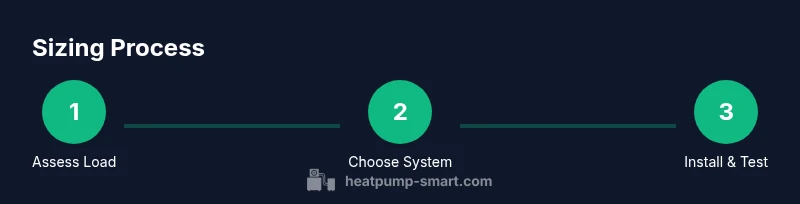
For a typical heat pump setup in a 1000 sq ft home, sizing generally falls in the 1.5–2.5 ton range, depending on climate, insulation, and ductwork. In temperate zones you may lean toward the 1.5–2 ton end, while colder regions often require 2–3 tons. This quick answer previews sizing, installation steps, and efficiency tips discussed later in the guide.
Understanding heat pump sizing for a 1000 sq ft home
Sizing a heat pump for a fixed floor area like 1000 sq ft centers on balancing comfort with energy efficiency. The goal is to match the heat loss of the space to the heating capacity of the system so indoors stay warm without short cycling or excessive run times. According to Heatpump Smart, proper sizing reduces cycling, improves dehumidification, and delivers more consistent temperatures. While a single exact number is not universal, a range is typically used to accommodate climate variability and home construction. For the keyword heat pump 1000 sq ft, this sizing discussion frames the main ideas you’ll apply throughout the project, from load calculation to equipment choice and installation considerations.
Key variables that influence load in a 1000 sq ft home
Several variables determine how much heat is needed in a 1000 sq ft home. Climate zone strongly affects the required capacity; better insulation reduces demand. Window area and orientation influence heat loss, as do attic and wall insulation levels, air leakage, and ceiling height. Occupant patterns (how many people live there) and hot water use also contribute to the load. Duct health and routing matter too—leaky or poorly designed ducts can cause a system to underperform or oversize. Understanding these factors helps you choose a heat pump 1000 sq ft system that fits your home and climate.
Heat pump types for a 1000 sq ft footprint
For a 1000 sq ft home, you’ll encounter several viable types. Air-source heat pumps (ducted or ductless) are the most common for small-to-mid-sized homes and offer flexibility in retrofit projects. Ductless mini-split systems are advantageous when existing ductwork is limited or unevenly distributed across rooms. If your space uses existing ductwork, a ducted air-source unit can provide centralized comfort. Geothermal or ground-source heat pumps offer high efficiency but require more extensive installation. Each type has trade-offs in installation cost, climate performance, and year-round comfort. When sizing for heat pump 1000 sq ft, consider how your walls, attic, and ducts influence heat transfer and system load.
A practical sizing approach: quick calculation method
A practical approach starts with climate-specific guidance and a basic assessment of your home’s enclosure. If you live in a temperate area, a 1.5–2 ton unit is often sufficient for 1000 sq ft, though tight insulation or large windows may push you toward the 2–2.5 ton range. In colder climates, 2–3 ton models are common. Use a simple clamp-on method: estimate heat loss from walls, ceiling, and windows, compare to equipment capacity ranges, then refine with professional load calculations. This section sets up the method you’ll apply during a professional assessment and helps you understand why numbers vary by climate and construction.
Efficiency benchmarks and operating costs
Efficiency is central to choosing a heat pump for a 1000 sq ft home. Look for SEER (cooling efficiency) and HSPF (heating efficiency) ratings, which correlate to lower electricity use over time. A higher SEER and HSPF generally translate to lower operating costs, especially in milder seasons. A heat pump’s COP (coefficient of performance) indicates how much heat energy you get per unit of electrical energy; higher COP values mean better performance, especially at moderate outdoor temperatures. Temperature controls, zoning, and smart thermostats can further improve year-round efficiency and predictable comfort for a 1000 sq ft layout. Heatpump Smart analysis shows that keeping insulation and ducts well-sealed amplifies efficiency regardless of brand or model.
Installation considerations and common mistakes
Installation quality often dictates real-world performance more than the nominal specs. Common mistakes include undersized or oversized equipment, improper duct sizing, and insufficient outdoor clearances. Make sure outdoor units have at least the recommended clearance for airflow and that refrigerant lines are insulated properly. Electrical service must meet the unit’s requirements, and permits may be needed in your area. Improperly installed systems can face frequent cycling, frost issues, or reduced efficiency, particularly in a 1000 sq ft home where small miscalculations have a larger impact per square foot.
Maintenance and long-term savings
Long-term savings come from regular maintenance and mindful operation. Change or clean filters every 1–3 months and inspect ducts for leaks or seal gaps. Schedule periodic coil cleaning and refrigerant checks (performed by a licensed technician). Use a programmable thermostat to maximize efficiency by aligning heating cycles with occupancy and outside temperatures. A well-maintained heat pump for a 1000 sq ft home tends to experience fewer service calls and more consistent comfort, reducing energy waste and extending the system’s life.
When to call a pro and what to expect
Professional sizing and installation are critical for optimal performance with a 1000 sq ft home. Expect a technician to perform a load calculation, inspect insulation and ducts, evaluate electrical service, and verify refrigerant levels after installation. A pro will provide the final sizing recommendation and a clear explanation of any duct sealing or insulation improvements needed. Early communication with the contractor about your climate, insulation levels, and comfort goals helps ensure the right equipment choice and a smooth install.
Quick-start checklist for your installation project
Start with a home assessment: verify insulation, seals, and existing ducts. Gather climate information, square footage, and window layout. Obtain a professional load calculation and request a drafted equipment option with SEER/HSPF ratings. Plan for duct or pipe routing needs and electrical requirements; confirm permit needs with your local authority. Prepare for a post-installation test and thermostat programming to maximize comfort for a 1000 sq ft home.
Tools & Materials
- Tape measure(to measure room areas and duct runs)
- Digital thermometer or infrared thermometer(for testing indoor/outdoor temperatures during assessment and post-install checks)
- Voltage tester(to verify electrical supply before and after install)
- Sheet metal snips or duct scissors(for minor duct adjustments during installation)
- Duct sealant or mastic(to seal leaks in the ductwork before commissioning)
- Safety glasses and gloves(personal protective gear for installer safety)
- Thermostat with digital readouts(to program and monitor system performance)
Steps
Estimated time: 6-12 hours
- 1
Assess your home load
Begin with a high-level assessment of heat loss by examining insulation, windows, doors, and attic access. Document the climate zone and lifestyle patterns that affect heating needs. The goal is to establish a baseline so you can compare unit sizes against typical ranges.
Tip: Save energy by sealing obvious leaks before final sizing. - 2
Choose heat pump type based on existing structure
Decide whether you’ll use a ducted air-source system, a ductless mini-split, or a geothermal option. Your home layout, existing ducts, and willingness to retrofit influence the best choice for heat pump 1000 sq ft sizing.
Tip: Ductless often requires less invasive retrofits for small spaces. - 3
Request a professional load calculation
A certified professional should perform a Manual J load calculation to determine exact tonnage. This step ensures accuracy beyond rough estimates and climate-based rules of thumb.
Tip: Even if you’re tempted to DIY, professional load calculation reduces long-term risk. - 4
Evaluate insulation and duct integrity
Before finalizing equipment size, assess attic and wall insulation, air sealing, and duct leakage. Upgrading sealing can reduce required capacity and improve comfort.
Tip: Address insulation first to maximize system efficiency. - 5
Plan ductwork or pipe routing
Map routes for indoor air distribution or refrigerant lines. Consider shortest paths, accessible spaces, and potential noise sources near bedrooms.
Tip: Avoid routing ducts through unconditioned spaces where heat loss increases. - 6
Prepare electrical and permit readiness
Ensure electrical service meets the unit’s requirements and obtain any necessary permits. Confirm disconnects and wiring are up to code before installation day.
Tip: Scheduling inspections in advance avoids delays. - 7
Install or coordinate with a qualified contractor
Schedule the installation with a qualified contractor. Ensure they verify refrigerant charge, airflow, and insulation after mounting the outdoor unit and inside air handler.
Tip: Ask for a commissioning report with performance metrics. - 8
Test, balance, and program the thermostat
Test system startup, balance airflow to each zone, and program a smart thermostat for comfort and efficiency. Record temperatures and energy use for comparison against baseline.
Tip: Program schedules to match occupancy and outdoor temperature changes. - 9
Monitor performance and adjust as needed
During the first weeks, monitor temperatures, humidity, and energy bills. If comfort or efficiency is off, work with your installer to rebalance or recalibrate the system.
Tip: Small adjustments early on save larger costs later.
Your Questions Answered
What size heat pump do I need for 1000 sq ft?
A 1000 sq ft home typically needs a heat pump in the 1.5–2.5 ton range for temperate climates, and 2–3 tons in colder regions. A professional load calculation confirms the exact size.
For a 1000 square foot home, sizing depends on climate and insulation. A professional load calculation confirms the exact size.
Should I choose ducted or ductless for a 1000 sq ft home?
Ducted systems suit homes with existing ducts and uniform airflow, while ductless mini-splits are ideal where ducts are impractical or room-specific control is desired.
Ducted works well if you have existing ducts; ductless is great for flexible room control.
What are the signs my heat pump is undersized or oversized?
Common signs include short cycling, room-by-room temperature imbalance, humidity issues, and longer cycle times to reach setpoints. A professional load check can confirm whether re-sizing is needed.
Look for short cycling or imbalance; a load check helps verify if the size is off.
Is a manual J load calculation necessary?
A Manual J calculation provides precise sizing based on your home’s unique characteristics; it's highly recommended for optimal comfort and efficiency.
A Manual J calculation gives an accurate size needs the home really has.
Can a heat pump save money on energy bills in a 1000 sq ft home?
Yes, especially with proper sizing, sealing, and thermostat controls. Savings vary with climate, energy prices, and how well the system is maintained.
A well-sized, well-maintained heat pump can reduce heating energy use, especially with smart controls.
Do I need a backup heat source?
In very cold climates, some systems may use auxiliary or emergency heat to maintain comfort during extreme temperatures. This depends on the heat pump type and climate.
In harsher climates, a backup heat option may be part of the plan.
Watch Video
Top Takeaways
- Size for comfort, not just capacity
- Climate, insulation, and ducts determine need
- Use a professional load calculation for accuracy
- Efficient controls and good sealing boost savings