Heat Pump for 2000 Square Foot House: Sizing, Efficiency, and Installation Tips
A practical guide to sizing and selecting a heat pump for a 2000 square foot house, covering load calculations, efficiency metrics, costs, and installation steps.


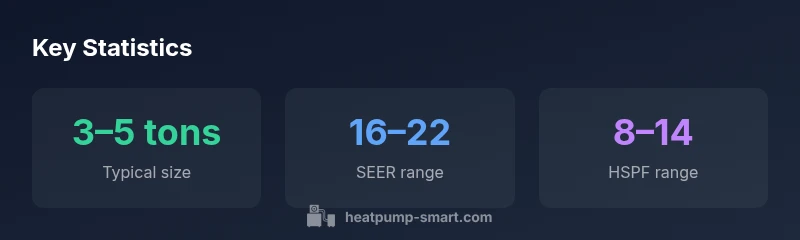
Typically, a heat pump sized for 2,000 square feet falls in the 3–5 ton range (36,000–60,000 BTU), depending on climate, insulation, and load calculations. For accurate sizing, perform a manual J load calculation and consider a variable-speed model with high SEER and HSPF ratings.
Why size matters for comfort and efficiency
Size influences both comfort and energy use. An oversized heat pump short-cycles, causing humidity swings and equipment wear, while an undersized unit struggles to reach set temperatures on peak days. For a heat pump for 2000 square foot house, proper sizing is essential to balance comfort, indoor air quality, and energy bills. Load-based sizing considers climate data, insulation quality, window performance, and occupancy patterns to determine the correct capacity. By starting with a well-chosen size, you reduce cycling, improve humidity control, and extend system life. In practice, most homes in temperate climates benefit from a unit that can modulate output across a broad range, rather than a single fixed size. Variable-speed compressors excel here, delivering consistent temperatures with lower energy demand.
How to size a heat pump for a 2000 square foot house
Begin with a formal load calculation (Manual J) in conjunction with a design temperature for your climate zone. A 2,000 square foot home typically falls into a 3–5 ton category, but exact sizing hinges on insulation, duct layout, airtightness, and local climate. In hotter regions, you may lean toward the lower end if the house is well-sealed; in cold climates, the higher end may be necessary to maintain warmth during winter. After sizing, verify with ductwork checks (Duct Leakage, airflow measurements) and comfort testing. Favor a variable-speed system with high SEER and HSPF ratings for efficient year-round performance. Balance upfront costs with long-term energy savings, as the real gains accrue through steadier comfort and fewer repairs.
Climate, insulation, and airtightness impact load
Climate and outdoor conditions determine peak heating and cooling demands. Superior insulation (higher R-values) and tighter building envelopes dramatically reduce the load that a heat pump must handle. Air leakage adds uncontrolled heat gain or loss, forcing larger system capacity or more electricity use. Windows, shading, and thermal mass also affect load. For a 2000 square foot house, upgrading insulation and sealing gaps can shrink the required size by 0.5–1 ton in many climates, enabling a more efficient, cost-effective heat pump decision.
Sizing methods and tools you can use
Beyond Manual J, field verification matters. Blower-door tests quantify airtightness, while plus/minus duct pressure tests reveal leakage paths. In many projects, a load calculation paired with a comfort simulation and on-site airflow measurements yields the most reliable sizing. Contractors should verify that the selected unit can deliver the desired airflow (CFM) per ton, ensuring balanced distribution across zones. Inverter/variable-speed models provide flexibility, adapting to seasonal swings and occupancy changes for sustained efficiency.
Efficiency metrics that matter
Key metrics include SEER (cooling efficiency) and HSPF (heating efficiency). A higher SEER reduces cooling costs, while a higher HSPF lowers winter heating costs. Inverter-driven compressors maintain comfortable temperatures with less energy use compared with fixed-speed units. When evaluating options for a 2000 square foot home, prioritize models with a robust SEER/HSPF pair, along with good part-load efficiency, to maximize performance during shoulder seasons and extreme weather alike.
Ductwork, air leaks, and zoning considerations
Even a perfectly sized heat pump loses efficiency if heat is lost through leaky ducts or poorly conditioned zones. Seal and insulate ducts, ideally within the attic or basement, and minimize long, uninsulated runs. Consider zoning to target different areas of the house separately, reducing the load on the main unit and improving comfort in living spaces. Proper return air placement and clean filters support consistent airflow and reduce energy waste.
Costs, incentives, and lifecycle considerations
Upfront costs for a high-efficiency heat pump can be higher, but lifetime operating costs may be lower thanks to improved efficiency and reliability. Incentives and rebates vary by region and utility. When evaluating options, compare long-term savings across models with similar reliability and warranty terms. A well-sized system with solid ductwork and good filtration often pays back through energy savings and fewer service calls over the life of the unit.
Installation checklist and timeline
A typical installation involves confirming load calculations, selecting a matched outdoor unit, checking ductwork integrity, and programming thermostats for optimal performance. Installation should include a thorough commissioning test, verifying airflow, refrigerant charge, and controls. In most climates, a professional will complete permitting and safety inspections; the process may take several days from quote to commissioning depending on scheduling and existing ductwork.
Maintenance and long-term performance
Routine maintenance preserves efficiency: clean or replace air filters regularly, inspect refrigerant levels (without leaks), verify thermostat settings, and schedule annual professional tune-ups. Duct sealing should be checked every few years, and insulation in the attic or crawlspace should be maintained to prevent thermal losses. Proactive maintenance helps a heat pump keep performance high and energy costs low across the life of a 2000 square foot home.
Sizing and efficiency basics for a ~2000 sq ft home
| Metric | Typical range | Notes |
|---|---|---|
| System size for ~2000 sq ft | 3–5 tons | Climate, insulation influence load |
| SEER range for new installs | 16–22 | Higher SEER improves efficiency but upfront cost |
| HSPF range for heating | 8–14 | Higher HSPF lowers heating cost |
| Annual energy use (climate dependent) | varies | Depends on electricity rates and usage patterns |
Your Questions Answered
What size heat pump do I need for a 2000 square foot house?
Sizing depends on climate, insulation, and occupant patterns. A Manual J load calculation is essential, commonly yielding a 3–5 ton range for a 2000 sq ft home, but exact needs vary. Pair this with duct checks and comfort tests.
Sizing depends on your climate and insulation; a manual calculation gives the right tonnage, usually in the 3–5 ton range for 2,000 sq ft.
How can I improve efficiency besides upgrading equipment?
Seal leaks, insulate thoroughly, and ensure ducts are well sealed. Use a variable-speed heat pump with a high SEER/HSPF and consider zoning to avoid conditioning unused spaces.
Seal leaks and insulate well; use a high-efficiency, variable-speed unit and consider zoning.
Are heat pumps suitable for very cold climates?
Yes, many cold-climate heat pumps operate efficiently with advanced refrigerants and aux heat. Look for units with good performance at low outdoor temperatures and consider backup heat strategy.
Many cold-climate heat pumps work well if they have good low-temperature performance and backup heat.
What does the installation cost include for a 2000 sq ft house?
Costs vary by region, system type, ductwork needs, and incentives. Expect costs to reflect equipment, ductwork, and labor, and check for utility rebates.
Costs vary a lot by region and needed ductwork; rebates can help offset expenses.
What maintenance is required to keep a heat pump efficient?
Regular filter changes, annual professional service, and periodic duct sealing help maintain efficiency and extend equipment life.
Change filters regularly and schedule yearly tune-ups to keep it efficient.
What’s the difference between air-source and geothermal heat pumps?
Air-source pumps transfer heat between your home and outside air; geothermal pumps use ground loops. Geothermal generally has higher upfront costs but can offer lower operating costs over time.
Air-source pulls heat from outside air; geothermal uses ground loops and is usually more efficient but pricier upfront.
“Sizing a heat pump for a 2000 sq ft home should be driven by a formal load calculation and a focus on high-efficiency, variable-speed equipment.”
Top Takeaways
- Size based on load, not guesswork
- Choose inverter/variable-speed for comfort and efficiency
- Higher SEER/HSPF lowers operating costs over time
- Invest in duct sealing to maximize performance