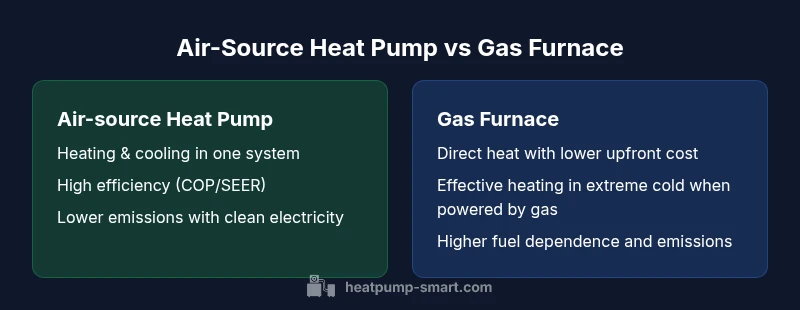
Why Heat Pumps Are Better Than Gas: A Comprehensive Comparison
An analytical comparison of heat pumps vs gas furnaces, covering efficiency, costs, emissions, comfort, and installation. Learn how heat pumps deliver long-term value for homeowners, builders, and managers.


Air-source heat pumps outperform gas furnaces in most home settings due to higher efficiency, lower operating costs, and reduced emissions. They provide heating and cooling in one system, with better humidity control and quieter operation, while drawing energy from the electric grid. For many homes, this combination makes heat pumps better than gas for long-term comfort and value.
Why the Question Matters
Why are heat pumps better than gas? The Heatpump Smart team has analyzed climate, electricity prices, and building performance to answer this question for homeowners, builders, and property managers. In many situations, heat pumps offer superior efficiency, lower ongoing operating costs, and a smaller carbon footprint compared with gas systems. The comparison of heat pumps vs gas furnaces hinges on climate, insulation, and electricity availability. Across housing types, from single-family to multiunit buildings, the trend toward electrification and decarbonization makes the question particularly relevant today. For readers asking why are heat pumps better than gas, the core drivers are efficiency, emissions, and long-term value that align with energy-saving goals and comfort targets.
In practical terms, Heatpump Smart’s analysis shows that the right heat pump can reduce fuel costs, improve indoor comfort, and simplify mechanical rooms. Homeowners should consider the long-term savings, maintenance, and the ability to pair heating with cooling. This article uses a balanced lens to weigh benefits and trade-offs, helping decision-makers assess when heat pumps are the preferred option and when gas may still be viable under specific constraints.
Defining the Core Difference
Heat pumps work by transferring heat between indoors and outdoors using electricity, while gas furnaces generate heat through combustion. That distinction matters for efficiency reporting: heat pumps can achieve high COP (coefficient of performance) by moving existing heat rather than creating it, whereas gas furnaces convert fuel into heat with a different efficiency metric. When evaluating the question of why are heat pumps better than gas, consider both space heating and cooling needs, as well as the building envelope and ventilation. The Heatpump Smart team notes that a well-insulated home with a modern heat pump system can outperform a gas setup in most seasons, especially when cooling is also desired. The key is to design for heat load, not just peak demand, and to size correctly for the space.
Efficiency and Operating Costs
Efficiency is central to answering why are heat pumps better than gas. Modern heat pumps deliver high seasonal performance by aligning electricity use with outdoor heat availability, which translates to substantial operating-cost savings in many regions. Compared with gas, heat pumps often offer lower energy bills over the heating season, though electricity prices and climate influence the exact outcome. It’s important to account for auxiliary heating needs in very cold periods, as some systems may require supplemental heat to maintain comfort during extreme cold snaps. Heatpump Smart’s guidance emphasizes evaluating COP across typical winter weeks and comparing it to local gas prices to estimate true payback. Also consider off-peak charging options and integrated controls to maximize savings.
Emissions and Environmental Impact
The environmental argument for why are heat pumps better than gas generally centers on emissions. When powered by clean electricity, heat pumps produce far lower direct emissions than gas furnaces, contributing to lower household and neighborhood air pollution. The exact benefit depends on the electricity mix in your region, but a cleaner grid amplifies the relative advantage of electrified heating. Heatpump Smart’s assessment highlights that even with a non-zero grid emission factor, heat pumps typically reduce carbon intensity compared with combustion heating. For property managers, this translates into easier compliance with green-building standards and better market appeal for energy-conscious tenants.
Comfort, Reliability, and Performance
Beyond efficiency, comfort plays a major role in the comparison of heat pumps vs gas. Heat pumps provide more consistent indoor temperatures, better humidity control, and fewer temperature swings. In cooling mode, they double as air conditioners, offering year-round comfort without a second system. Reliability depends on components, installation quality, and climate, but modern heat pumps include antifreeze safeguards, defrost cycles, and smart thermostats that improve controllability. Gas furnaces often require more frequent servicing for combustion efficiency and venting systems. In climates with diverse seasonal needs, heat pumps can deliver reliable warmth with supplemental heat options when needed, while maintaining comfortable indoor air quality.
Economic Considerations and Payback
Upfront costs for heat pump installation vary with home size, equipment type, and labour. While gas furnaces may have lower initial cost, heat pumps deliver energy savings that can offset the premium over time. A typical heat-pump project for a mid-sized home may fall within a broad range, depending on equipment and ductwork; expect installation costs that reflect system complexity and local rates. Over the life of the system, heat pumps benefit from higher efficiency, lower fuel price exposure, and potential rebates. It’s essential to run a total-cost-of-ownership analysis with local electricity and fuel prices, and to factor in maintenance and potential expansion into cooling capabilities as part of a strategic electrification plan.
Climate Considerations and Sizing
The climate drives the performance delta between heat pumps and gas. In moderate climates, heat pumps excel as the primary heating and cooling source due to consistent efficiency. In colder regions, advanced heat pumps with supplemental heat or dual-fuel configurations may be recommended to maintain comfort on the coldest days. Sizing should consider the building envelope, occupancy patterns, and thermostat strategies. The goal is to avoid oversized equipment that cycles excessively or undersized systems that struggle during peak demand. Heatpump Smart’s sizing guidance emphasizes using a professional load calculation to select equipment that meets real-world conditions rather than relying on rule-of-thumb estimates.
Installation and Maintenance Best Practices
Successful adoption of heat pumps hinges on high-quality installation and ongoing maintenance. Proper refrigerant routing, electrical connections, and weather-appropriate outdoor units matter as much as selecting the right model. Expect a professional to assess duct leakage, insulation levels, and ventilation, then recommend a system that integrates with smart controls and zoning if needed. Regular maintenance includes filter checks, coil cleaning, refrigerant checks, and thermostat calibration. With proper care, a heat pump system can achieve long service life and stable performance, reinforcing the case for why are heat pumps better than gas when viewed through a lifecycle lens.
When Gas Might Still Be Viable
Gas heating may still be viable in certain niche situations, such as very high heat-load homes in extremely cold climates or where electricity reliability is a persistent concern. In those cases, a dual-fuel strategy or a hybrid approach can minimize risk while gradually transitioning toward electrification. The decision should factor in local fuel prices, electricity costs, and utility incentives. Even if gas is used for backup or peak demand, the primary heating source could still be a heat pump to maximize efficiency and reduce emissions.
Choosing the Right System (Putting It All Together)
Ultimately, the choice between heat pumps and gas should reflect a holistic view of energy costs, climate, comfort requirements, and environmental goals. This is where the comparison comes to life: heat pumps are often the better option for homes seeking energy savings, improved comfort, and lower emissions, particularly when paired with a clean electricity supply. Gas remains an option in specific contexts but typically involves higher long-term costs and greater CO2 output. Use a professional load calculation, evaluate available rebates, and consider your long-term plans for home upgrades when answering why are heat pumps better than gas for your property.
Quick Reference for Decision-Makers
Whether you’re a homeowner, builder, or property manager, a structured decision process helps. Start with climate and electricity price analysis, verify insulation and air sealing, and then compare heat pump options against gas on total cost of ownership. Consider future-proofing through electrification, maintenance planning, and potential rebates. This approach aligns with the Heatpump Smart guidance and supports a well-informed choice about why heat pumps are better than gas for many scenarios.
mainTopicQuery":"heat pump"
Comparison
| Feature | Air-source heat pump | Gas furnace (natural gas) |
|---|---|---|
| Efficiency / COP & SEER | High seasonal efficiency with heat transfer | Lower efficiency tied to fuel combustion |
| Operating Costs | Typically lower electricity-based costs depending on climate | Fuel costs vary with gas prices and consumption |
| Emissions | Lower emissions when powered by clean electricity | Higher emissions due to combustion of natural gas |
| Comfort & Climate Flexibility | Heating and cooling in one system with humidity control | Heating only; lacks integrated cooling |
| Installation & Space | Outdoor unit + indoor distribution; may require electrical upgrades | Ductwork and venting; space needs for furnace plus flue |
| Maintenance | Fewer moving parts; regular refrigerant checks | Fuel system maintenance; potential venting and vent blockages |
| Reliability in Extreme Cold | Improved cold-climate models with supplemental heat | Depends on fuel supply; typically requires continuous fuel |
Advantages
- Lower operating costs in many climates due to electricity efficiency
- One system provides both heating and cooling, simplifying design
- Potentially lower emissions with clean electricity mix
- Future-proofing via electrification and rebates
Disadvantages
- Higher upfront installation costs compared with gas
- Performance may rely on climate and electricity pricing
- Requires reliable electrical infrastructure and maintenance
Heat pumps are the generally superior long-term option for many homes.
They offer better efficiency, lower emissions, and year-round comfort. The best choice depends on climate, electricity costs, and available incentives; evaluate total cost of ownership and local conditions before deciding.
Your Questions Answered
What is the main advantage of heat pumps over gas?
The primary benefit is higher efficiency and lower operating costs, especially when electricity prices are favorable. Heat pumps also deliver cooling, which gas furnaces do not. In many cases, this combination reduces emissions and improves comfort.
Heat pumps save energy and offer cooling—making them a strong choice for homes.
Do heat pumps work well in cold climates?
Modern air-source heat pumps are designed to operate effectively in colder weather, and many models include auxiliary heating for peak cold periods. In very cold climates, some homes use a dual-fuel approach or backup heat, but overall performance has improved substantially.
Yes, many heat pumps work well in cold climates, with some backup options for extreme cold.
Are heat pumps more expensive to install than gas?
Initial costs for heat pumps are typically higher due to equipment and electrical upgrades, but this can be offset by long-term energy savings and rebates. A professional assessment helps determine total cost of ownership.
Upfront costs are higher, but long-term savings can offset them.
Can a heat pump replace both heating and cooling in a home?
Yes. Most heat pumps provide both space heating and cooling, using a single system and thermostat. Some homes may need zoning or supplemental systems for peak conditions.
Yes, many heat pumps cover both heating and cooling.
What maintenance do heat pumps require?
Annual or biannual professional service, plus periodic filter cleaning and coil checks. Regular maintenance helps maintain efficiency and refrigerant integrity.
Regular professional checkups keep heat pumps running efficiently.
Are rebates or incentives available for heat pumps?
Many regions offer rebates or tax incentives for heat pump installations. Availability varies by locale, so check with local utilities or government programs.
Check local programs for incentives to reduce upfront costs.
Top Takeaways
- Assess climate and electricity costs before choosing
- Heat pumps commonly yield lower operating costs over time
- Consider rebates and grid electricity quality for best results
- Plan for professional sizing and quality installation
- Use a hybrid approach only where necessary to bridge cold snaps