Winter Heat Pump Settings: Optimal Indoor Temperature for Efficiency
Discover how to set your heat pump in winter for comfort and efficiency. Learn ideal indoor temps, setback strategies, and when to use auxiliary heat with Heatpump Smart guidance.


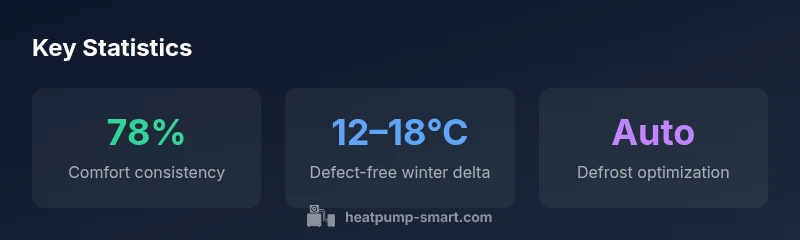
For winter comfort, set your indoor thermostat around 20°C (68°F) during the day and allow a setback to about 17–19°C (63–66°F) at night or when you’re away. Favor heat pump operation and minimize auxiliary heat by keeping the outdoor temperature above operational thresholds. Use the 'auto' heat mode and let the system manage defrost cycles for efficiency.
Why winter-specific settings matter
The core question many homeowners ask is what should heat pump be set at in winter. The short answer is that indoor comfort and energy efficiency hinge on balancing a stable, comfortable setpoint with smart setback strategies. According to Heatpump Smart, maintaining a consistent indoor temperature around 20°C (68°F) during the day minimizes the number of defrost cycles and reduces temperature swings that trigger auxiliary heat. This approach not only keeps residents comfortable but also preserves system efficiency across cold snaps. If you’re living in a colder climate, you’ll notice even more benefit from keeping the indoor temperature steady when outdoor conditions are harsh, and from using setback during off-occupancy periods to avoid wasting energy.
In practice, most homes find success with a daytime target around 20°C and a modest setback of 2–3°C at night. For spaces that require rapid heating after a setback, a smaller delta (1–2°C) can be more comfortable and maintain efficiency. Heatpump Smart’s guidance emphasizes that the exact numbers will depend on insulation, humidity, and individual comfort, but the general principle remains: steady operation beats frequent thrashing between heating and cooling modes.
Indoor temperature targets and humidity balance
Maintaining a comfortable indoor climate in winter goes beyond temperature alone. Humidity plays a crucial role; overly dry air can make a 20°C environment feel cooler and less comfortable, prompting the system to work harder. A practical humidity target for most homes is between 30% and 50%. If your home is dry, a portable humidifier or a whole-house humidification solution can improve perceived warmth and reduce the need for higher temperatures. Heatpump Smart highlights that humidity control can improve comfort without significantly increasing energy use, especially when paired with efficient air sealing and insulation. As you tune setpoints, monitor your comfort relative to humidity, not just temperature readings.
If your space experiences cold drafts near windows or doors, address these flaws first. Drafts undermine the effectiveness of even the best winter settings. Proper insulation, weatherstripping, and sealing are foundational steps that amplify the benefits of any thermostat strategy. By addressing leaks, you can often reduce the required setpoint for the same level of comfort, further improving efficiency.
Modes, defrost, and when to use auxiliary heat
Modern heat pumps offer several operating modes that influence energy use, especially in winter. Auto mode lets the system decide between space heating and auxiliary heat, aiming for comfort while attempting to minimize energy use. Heat pump-only operation is ideal in moderate cold, while auxiliary (electric resistance) heat should be reserved for hard freezes or rapid drops in temperature. Relying heavily on auxiliary heat can dramatically increase energy costs, so it’s wise to plan for a transition period when outdoor temps are near or below the lower thresholds of your heat pump’s efficient operation. Heatpump Smart notes that a well-tuned defrost strategy reduces energy waste by preventing unnecessary cycling. Regular maintenance, clean filters, and clean outdoor coils all support smoother operation in winter.
To optimize efficiency, keep the thermostat in Auto mode most of the time, ensure your outdoor unit is clear of snow and ice, and consider a smart thermostat that learns your patterns and adjusts the setpoint gradually rather than making abrupt changes.
Practical setup tips: placement, zoning, and sensors
Thermostat placement and sensor strategy matter as much as the numbers on the dial. Place the main thermostat away from direct sunlight, drafts, or heat sources like radiators or appliances that could skew readings. If you have multiple zones, consider a zoning system so living spaces can stay comfortable without heating unoccupied rooms. Place temperature sensors in frequently used spaces to capture accurate ambient conditions; a single sensor in a large living area can misrepresent the room’s thermal state. Smart thermostats can adapt to occupancy, weather forecasts, and historical usage to optimize setpoints over time. Heatpump Smart also recommends verifying that the system’s sensor readings reflect actual conditions, so adjustments reflect real comfort needs rather than artificial averages.
Data-informed approach: estimating savings without guessing
A data-driven approach helps quantify the impact of winter settings without relying on guesswork. Track energy usage, outdoor temperatures, and indoor setpoints over a representative period — ideally across several weeks of varying weather. Compare days with stable indoor temps against days with larger setbacks to observe differences in energy consumption and comfort levels. Using Heatpump Smart’s framework, you can translate these observations into practical targets for your home, customizing based on insulation, window quality, and occupancy. This method reduces uncertainty and guides you toward a sustainable balance between comfort and cost.
Maintenance and common mistakes to avoid
Even the best winter strategy can fail if basic maintenance is neglected. Clean filters, clear the outdoor coil, and ensure there are no obstructions around the outdoor unit that can impede airflow. Many homeowners make the mistake of setting the temperature too high in winter, assuming warmth equals comfort; in reality, excessive indoor heat while the outdoor environment remains cold forces the system to work harder and may trigger more defrost cycles. Regular system checks, weather sealing, and humidity management are essential to keep a heat pump performing efficiently through the winter season. Heatpump Smart emphasizes adopting a steady, evidence-based approach rather than reactive, last-minute adjustments.
Summary and next steps
Choosing the right winter settings is a blend of science and comfort. Start with a daytime target of around 20°C (68°F), implement a moderate nightly setback, and rely on Auto mode for efficiency. Pair these choices with humidity control, proper insulation, and routine maintenance. Over time, a smart thermostat can learn your patterns and autonomously optimize the balance between comfort and energy savings. Heatpump Smart’s ongoing guidance encourages homeowners to iterate settings, monitor results, and adjust for seasonal shifts.
Winter operation modes and their energy implications
| Mode | Effect on energy use | Notes |
|---|---|---|
| Auto heat | Balanced energy use | Thermostat decides between heat pump and auxiliary heat |
| Heat pump only | Stable efficiency in moderate cold | Avoids supplemental heat where possible |
| Auxiliary heat | Higher energy use | Reserve for extreme cold or rapid heating needs |
Your Questions Answered
What should heat pump be set at in winter?
In winter, aim for an indoor target around 20°C (68°F) during the day, with a modest setback at night to about 17–19°C (63–66°F). Use Auto mode to let the system balance heating and defrost cycles, and minimize reliance on auxiliary heat when possible.
For winter, set the indoor temperature around 20°C by day and lower it slightly at night. Use Auto mode to let the heat pump manage defrost cycles and limit auxiliary heat unless needed.
Should I leave the heat pump on auto or heat pump only in winter?
Auto mode helps balance efficiency and comfort by switching between heat pump operation and auxiliary heat as needed. If your outdoor temperatures stay moderate, heat pump only can work well, but in very cold periods Auto mode is typically best to avoid overusing auxiliary heat.
Auto mode balances energy use and comfort. In very cold days, Auto helps prevent excess auxiliary heat.
Can lowering the setpoint harm the heat pump?
Lowering the setpoint reduces energy use but can reduce comfort if too aggressive. The goal is a steady, comfortable indoor climate without frequent temperature swings that trigger extra defrost cycles.
Lowering the setpoint saves energy, but don’t overdo it; maintain comfort with moderate setbacks.
What about humidity in winter with heat pumps?
Humidity naturally drops with cold outdoor air. Maintain 30–50% indoor humidity to improve comfort and efficiency; consider humidification if the air feels dry even at a comfortable temperature.
Winter air can be dry—aim for 30–50% humidity and use humidity if needed.
When should I use auxiliary heat?
Use auxiliary heat only during very cold snaps or when rapid heating is required. Prolonged use raises energy costs, so pair with strategic setbacks and insulation improvements.
Use auxiliary heat only during extreme cold or sudden needs; otherwise rely on the heat pump.
How can I verify my winter settings are working well?
Track energy use and indoor temperatures over several weeks, compare days with similar weather but different setpoints, and adjust gradually. A smart thermostat can automate this process.
Monitor energy use and temperatures, compare similar days, and let smart controls optimize over time.
Does insulation affect winter heat pump performance?
Yes. Better insulation reduces heat loss, enabling lower comfort setpoints and less reliance on auxiliary heat. Address drafts and sealing as a prerequisite.
Good insulation makes winter efficiency easier and reduces the need for extra heat.
“"Smart, consistent settings paired with good humidity control deliver the best winter efficiency. Let the system optimize within comfortable bounds."”
Top Takeaways
- Set daytime target around 20°C (68°F) for comfort and efficiency
- Use setback at night to reduce energy consumption
- Prefer heat pump operation; limit auxiliary heat
- Humidify if indoor air feels dry at steady temperatures
- Maintain insulation and seal leaks to maximize savings