Tips for Heat Pump Efficiency: A Practical How-To Guide
Learn practical, evidence-based steps to enhance heat pump efficiency, cut energy bills, and prolong system life with expert guidance from Heatpump Smart.


Learn practical, evidence-based methods to boost heat pump efficiency in your home. This quick guide covers thermostat optimization, air sealing, regular system maintenance, duct upgrades, and climate-specific settings. You’ll need basic inspection tools, a reliable programmable thermostat, and a plan to implement changes over a realistic seasonal schedule. By following these steps, you’ll reduce energy waste and improve comfort year-round.
Understanding tips for heat pump efficiency
According to Heatpump Smart, improving tips for heat pump efficiency starts with understanding how an air-source heat pump converts electricity into heating and cooling. The efficiency of a heat pump is measured by metrics like COP (coefficient of performance) in heating mode and SEER/HSPF across seasons. In practice, a higher COP means more heat is delivered per unit of electricity, which translates to lower operating costs. The Heatpump Smart team emphasizes that real-world efficiency also depends on climate, installation quality, and ongoing maintenance. The goal is not to push the system to its absolute maximum in every condition, but to optimize its performance around your home's needs. When you know where energy is being lost, you can target improvements more effectively. In this guide, we’ll break down practical steps that homeowners, builders, and property managers can undertake with limited disruption. Expect a mix of quick wins and longer-term investments that together yield meaningful energy savings without compromising comfort.
Baseline Assessment: Establishing your starting point
The first step toward higher efficiency is an honest assessment of how well your heat pump is performing today. Review your last 12 months of energy bills and compare heating-season usage to cooling-season usage. Look for signs of inefficiency such as uneven room temperatures, excessive cycling, or longer runtime to achieve comfort. Consider a formal or informal home energy audit to identify duct leaks, insulation gaps, and thermal bridges. If a recent service visit occurred, ask the technician to provide a COP, SEER, or HSPF reading for your specific equipment. Remember that installation quality matters: even a top-rated heat pump loses efficiency when ducts, seals, or insulation are compromised. The Heatpump Smart approach is to document baseline metrics before making changes so you can measure impact later. Keep a simple log of monthly energy costs and indoor comfort observations to guide your actions.
Thermostat and Controls: Smart Strategies for Savings
Smart controls can unlock substantial efficiency gains with minimal effort. Program temperatures to align with occupancy; use shorter, more precise setback periods; and enable adaptive scheduling if your thermostat supports it. A learning thermostat can optimize daily routines over the course of several weeks, reducing unnecessary heating or cooling. Place the thermostat away from direct sun or drafts to avoid erroneous readings. Consider zoning where possible to avoid conditioning unused rooms. The right thermostat, combined with a well-designed schedule, reduces runtime and improves overall efficiency. Heatpump Smart highlights that even small tweaks—like a 1–2 degree adjustment during shoulder seasons—can add up to meaningful energy savings over a year.
Ductwork, Air Sealing, and Insulation: Reducing Losses
Duct leaks and thermal leaks around doors, windows, and vents account for a large share of energy loss in many homes. Start with a duct leakage test if you have access to one, and seal any rips or poorly joined joints with mastic sealant or foil tape. Seal cracks around attic access, electrical penetrations, and appliance flues. Improve attic and wall insulation where gaps exist, and install weatherstripping on exterior doors. These improvements reduce the load on your heat pump, allowing it to deliver comfort with less electricity. In practice, you’ll notice steadier indoor temperatures and fewer pressure fluctuations in the system when airflow is well balanced.
Equipment Maintenance and Upgrades: Keeping the System Efficient
Regular maintenance keeps a heat pump operating at peak efficiency. Change or clean filters every 1–3 months depending on usage and indoor air quality. Clean outdoor coils and ensure the fan runs freely—remove debris and check for ice buildup during cold weather. If your system is older or retrofit with lower-efficiency components, evaluate upgrading to a variable-speed or inverter-driven unit. While a full replacement is a bigger investment, it often yields substantial energy savings over the life of the system. The Heatpump Smart team recommends pairing maintenance with smart controls and sealing upgrades for the best ROI.
Climate-Responsive Operation: Adapting to Seasons
Seasonal strategy matters: in milder climates, you can rely more on heat from the ambient air, whereas colder periods require more efficient defrost cycles and appropriate auxiliary heat management. During cold snaps, set expectations for longer runtimes but ensure the auxiliary heat does not run excessively, which can erode efficiency gains. In cooling seasons, optimize fan speeds and ensure the refrigerant charge remains within manufacturer specifications. The goal is to tailor operation to your climate while maintaining comfort and minimizing energy waste.
Monitoring and Verification: Tracking Your Progress
After implementing changes, monitor energy use for several billing cycles to evaluate impact. Compare monthly energy consumption and costs to your baseline, and note any changes in indoor comfort. Use an energy-tracking app or a simple spreadsheet to log days with unusual usage, then investigate weather or behavior drivers. Periodic check-ins, such as semi-annual audits and annual professional tune-ups, help sustain improvements. Heatpump Smart emphasizes documenting results so you can reproduce success in future projects.
Authority sources
For further reading and verification, refer to these authoritative sources:
- https://www.energy.gov/eere/buildings/heating-and-cooling/heat-pumps
- https://www.eia.gov/energyexplained/heating-and-cooling.php
- https://www.nrel.gov/docs/fy18osti/71373.pdf
Tools & Materials
- Smart thermostat(Essential for scheduling and energy monitoring; connects to Wi‑Fi for remote control)
- Weatherstripping and caulking(Seal doors/windows to reduce drafts and heat loss)
- Duct sealing mastic or foil tape(Minimize leaks; ensure airtight ductwork)
- HVAC coil cleaning brush or vacuum(Regularly clean indoor/outdoor coils and vents to maintain airflow)
- Replacement air filters (MERV 8-13 if possible)(Prevent clogging and improve indoor air quality)
- Insulation materials (foam board, mineral wool)(Fill gaps around ducts and in attics/wloors where needed)
- Basic hand tools (screwdrivers, pliers)(For routine maintenance and minor repairs)
- Safety gear (gloves, goggles)(Personal protection during maintenance tasks)
- Energy meter or smart plug(Track appliance electricity use for monitoring improvements)
- Thermal imaging tool (optional)(Identify hidden leaks and cold spots)
Steps
Estimated time: 2-4 hours
- 1
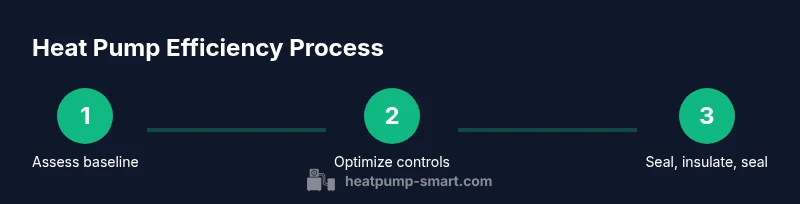
Assess baseline performance
Review last 12 months of energy bills, note heating vs cooling energy use, and identify obvious inefficiencies like cold spots or uneven comfort. Document current COP/SEER if available. This establishes your starting point for measuring improvements.
Tip: Record baseline metrics in a simple spreadsheet or notebook. - 2
Optimize thermostat controls
Program schedules to match occupancy, enable learning features if available, and avoid constant on/off cycling. Place sensors away from heat sources. A well-tuned thermostat reduces unnecessary operation.
Tip: Use a 1–2 degree setback during off-peak hours to test impact. - 3
Seal ducts and improve enclosure insulation
Inspect accessible ducts for leaks; seal with mastic or foil tape. Add weatherstripping to exterior doors and seal attic hatches. Improve attic and wall insulation where gaps exist.
Tip: Seal first before upgrading equipment to maximize airflow efficiency. - 4
Maintain heat pump components
Clean or replace air filters, clean coils, and ensure the outdoor condenser is free of debris. Schedule professional tune-ups annually to check refrigerant levels and system refrigerant charge close to manufacturer specs.
Tip: Set a reminder to service every 12 months. - 5
Consider equipment upgrades if needed
If the unit is old or inefficient, weigh a replacement with a modern inverter-driven heat pump for higher efficiency. Calculate long-term energy savings vs. upfront cost.
Tip: Look for ENERGY STAR rated models and rebates where available. - 6
Verify improvements with monitoring
Compare post-implementation energy use to baseline over multiple months. Adjust settings as needed and continue monitoring for seasonal changes.
Tip: Keep notes on comfort and energy changes to guide future tweaks.
Your Questions Answered
What is heat pump efficiency and how is it measured?
Heat pump efficiency is measured by COP (coefficient of performance) in heating mode and SEER/HSPF across seasons. Higher values indicate more heat delivered per unit of electricity. Real-world efficiency also depends on climate, installation quality, and maintenance.
Heat pump efficiency is shown by COP and SEER/HSPF; better numbers mean more comfort for less energy use.
Do thermostats and controls affect efficiency?
Yes. Proper programming and occupancy-based controls reduce unnecessary heating and cooling cycles, improving overall efficiency. A smart thermostat can optimize schedules automatically.
Yes. A good thermostat can cut waste by tailoring heating and cooling to when you really need it.
Can sealing and insulation improve heat pump efficiency?
Absolutely. Leaky ducts and uninsulated spaces force the heat pump to work harder. Sealing leaks and adding insulation reduces energy losses and improves comfort.
Sealing leaks and insulating spaces helps your heat pump work less and feel more comfortable.
Is a professional tune-up worth it for efficiency?
Yes. A professional tune-up checks refrigerant levels, coil cleanliness, and system balance, which can restore or improve efficiency beyond DIY maintenance.
A yearly tune-up can restore efficiency and catch issues before they become costly.
How often should filters be changed?
Typically every 1-3 months depending on usage and indoor air quality. More frequent changes may be needed in dusty or high-occupancy homes.
Change filters every 1-3 months to keep airflow high and efficiency steady.
Can I upgrade my system to improve efficiency?
Upgrading to a modern inverter-driven heat pump can offer significant efficiency gains, especially in extreme climates. Compare long-term energy savings with upfront costs and available rebates.
Upgrading can pay off, but weigh costs and rebates first.
Watch Video
Top Takeaways
- Optimize thermostat controls to reduce runtime
- Seal leaks and improve insulation to cut heat loss
- Maintain and clean components for steady performance
- Consider upgrades only after baseline and control improvements
- Monitor energy data to verify results and guide future tweaks