The Heat Pump Guide: A Comprehensive How-To for Home Comfort and Savings
Discover a complete heat pump guide from Heatpump Smart, with practical steps on sizing, installation, maintenance, and efficiency to improve comfort and reduce energy use across homes and buildings.


By the end of this heat pump guide, you will understand how to select, size, install, and maintain a heat pump for reliable year‑round comfort and energy savings. This step‑by‑step overview covers system types, siting considerations, and contractor selection, with practical tips to avoid common mistakes and maximize performance. Real-world guidance from Heatpump Smart helps homeowners, builders, and property managers make smart choices.
What is a heat pump and how it works
Heat pumps are highly efficient heating and cooling systems that transfer heat between indoors and outdoors using a refrigerant cycle. In winter, they extract heat from the outdoor air (or ground) and move it inside; in summer, they reverse the process to cool your space. Modern heat pumps can operate efficiently across a wide range of climates, especially when properly sized and installed. According to Heatpump Smart, the key to peak performance is understanding load, climate, and equipment compatibility. Expect better comfort with fewer energy spikes when the system is matched to your home and usage patterns. This section explains the basic components—evaporator, condenser, compressor, and reversing valve—and how they work together to deliver steady temperatures with quiet operation. You’ll also learn the difference between air-source, geothermal, and other heat-pump configurations, and how each supports different retrofit or new-construction projects. Marking the right goals up front helps ensure you choose a system that delivers reliable comfort, year after year.
Sizing and performance: Getting the right match
Sizing a heat pump correctly is critical for comfort and efficiency. An oversized unit cools or heats rooms too quickly, causing short cycling, increased wear, and poor humidity control. An undersized unit struggles during peak weather, running longer and consuming more energy. The goal is a balanced load match that keeps indoor temperatures stable while maintaining humidity at comfortable levels. Performance is influenced by climate, insulation, duct design, and thermostat strategy. A precise load calculation (often a Manual J calculation) identifies the right size and configuration. Heatpump Smart emphasizes that sizing is not just about heating capacity; it’s about overall system performance, including COP (coefficient of performance) and HSPF ( Heating Seasonal Performance Factor) benchmarks. Real-world results depend on proper installation, duct sealing, and inverter or single-speed efficiency features that minimize energy use during part-load conditions.
System types: Air-source, geothermal, and more
Heat pumps come in several configurations. Air-source heat pumps extract heat from outdoor air and are the most common for residential retrofits. Geothermal (ground-source) systems use the stable underground temperature, delivering high efficiency but requiring more space and upfront trenching. Water-source heat pumps use a nearby water source to transfer heat, often in multi-unit buildings. Each type has advantages based on climate, site constraints, and budget. Heatpump Smart notes that newer cold-climate models perform much better than earlier generations, expanding feasibility for northern homes. When choosing a type, consider seasonal energy performance, noise levels, and compatibility with existing heating equipment. A contractor can help compare options and tailor a system to your climate and home envelope.
Site assessment and installation prerequisites
Before installing, assess the space, utilities, and safety requirements. Outdoor units need clearances for airflow, proper level mounting, and weatherproof clearances from walls and other obstructions. Indoor components require adequate space for airflow, access for service, and appropriate ductwork or space for hydro- or fan-coil units. Electrical capacity, refrigerant lines, and condensate management must align with local codes. Heatpump Smart stresses the importance of a professional assessment to confirm electrical availability, refrigerant charge, and refrigerant line routing. A good site evaluation also reviews insulation, air leakage, and thermal bridges that could undermine efficiency. Planning at this stage saves time and prevents costly rework during installation.
Efficiency, costs, and rebates you should know
Efficiency ratings like COP and seasonal energy efficiency ratio (SEER) offer a framework for comparing heat pumps. Higher efficiency typically means lower operating costs, but initial costs and installation complexity can vary widely. It’s important to consider your climate, electricity rates, and how you use heating and cooling. Rebates and incentives may apply regionally or through utility programs, which can significantly offset upfront costs. Heatpump Smart recommends evaluating total cost of ownership over the system’s life, including maintenance, expected lifespan, and potential energy savings. While price ranges exist, focus on performance and reliability, plus warranties and service plans that protect your investment.
Maintenance, troubleshooting, and common issues
Regular maintenance keeps heat pumps performing at peak efficiency. This includes annual inspections, filter changes, coil cleaning, and fan checks. Common issues include refrigerant leaks, compressor noise, thermostat malfunctions, and electrical problems. Early signs—strange noises, uneven heating, or reduced efficiency—warrant professional evaluation. Heatpump Smart highlights that routine checks by a qualified technician help prevent costly failures and maintain comfort. Keeping a service log and following the manufacturer’s maintenance schedule will extend system life and protect humidity and indoor air quality.
Choosing a contractor and getting started
Selecting a qualified contractor is as important as choosing the right heat pump. Look for licensing, insurance, and experience with your system type and climate. Request detailed written proposals that include load calculations, equipment specs, install scope, and a realistic timeline. Check references and ask about warranty coverage, post-install support, and maintenance plans. A good contractor will explain energy-saving strategies, thermostat integration, and potential zoning or smart-home compatibility. Heatpump Smart recommends interviewing multiple providers to compare approaches, costs, and communication styles, ensuring you feel confident in the partnership.
Quick-start checklist for homeowners
Use this fast-start list to kick off a heat pump project: confirm local climate suitability, obtain a professional load estimate, select a unit type, verify electrical service capacity, review ductwork and insulation, discuss smart thermostat options, and plan for a pre- and post-install inspection. Maintain open communication with your installer regarding timelines and expectations. This checklist helps you stay proactive and avoid common delays.
Future-proofing and smart features for heat pumps
Modern heat pumps integrate with smart thermostats, zoning systems, and home automation platforms. When sizing and selecting a system, consider features like variable-speed compressors, refrigerant efficiency, air-purification options, and compatibility with renewable energy sources. Heatpump Smart recommends choosing equipment with serviceability in mind, accessible refrigerant lines, and scalable controls for future upgrades. Keep an eye on warranty terms and available updates that can extend the life of your investment.
Tools & Materials
- Voltage tester(Ensure the system is de-energized before servicing)
- Screwdriver set (Phillips and flathead)(Include #2 Phillips and standard sizes)
- Measuring tape(Minimum 16 feet; measure clearances and duct paths)
- Level(Ensure outdoor unit is level for proper operation)
- Wrench set (metric and SAE)(For mounting hardware and connections)
- Insulation for refrigerant lines(Prevent heat loss and condensation on lines)
- Safety goggles(Eye protection during installation)
- Owner's manual for heat pump(Manufacturer guidance for model-specific steps)
- Duct sealing materials(Optional for improved efficiency in existing ducts)
Steps
Estimated time: 6-8 hours
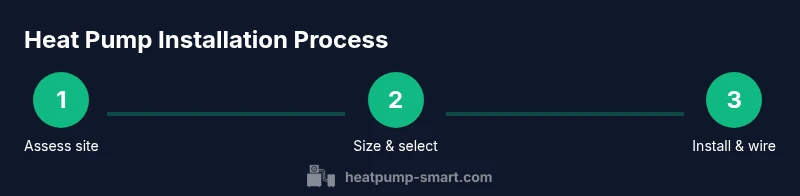
- 1
Define goals and assess site
Identify comfort priorities, climate considerations, and whether you’re replacing an existing system or installing in a new build. Evaluate space for outdoor unit placement, airflow, and access for maintenance. A clear plan helps ensure the right system choice and layout.
Tip: Document preferred operating modes (heat, cool, dehumidify) and any zoning needs to guide equipment selection. - 2
Gather load data and climate details
Obtain or generate a comprehensive load calculation to determine the appropriate size. Consider insulation levels, window efficiency, and occupancy patterns. Accurate data prevents under- or over-sizing and improves comfort.
Tip: Use a licensed professional for load calculations to ensure accuracy and code compliance. - 3
Choose system type and size
Select air-source, geothermal, or another heat pump type based on climate, space, and budget. Pair with an efficiency rating that aligns with your usage and electrical capacity. Confirm compatibility with existing thermostats and controls.
Tip: Prioritize inverter-driven compressors for better part-load efficiency and quieter operation. - 4
Prepare site and electrical capacity
Ensure outdoor unit has clearance and indoor space accommodates ducting or hydro-heat components. Verify electrical service meets or exceeds the system’s requirements and plan for a dedicated circuit if needed. Address drainage and condensate management.
Tip: Schedule a pre-install inspection to confirm wiring, breakers, and grounding are correct. - 5
Install and connect components
Mount outdoor and indoor units, run refrigerant lines with proper insulation, seal ducts, and install controls. Follow manufacturer instructions for refrigerant charging and interconnections. Verify airflow and refrigerant integrity.
Tip: Do not bend refrigerant lines sharply; use proper fittings and shrinkage protection during pulling. - 6
Commission, test, and optimize
Power up, test heating and cooling modes, verify thermostat integration, and check for leaks or unusual noises. Calibrate controls for comfort and energy savings. Schedule a post-install review to confirm performance targets are met.
Tip: Record as-installed data (temperatures, pressure, settings) for future service visits. - 7
Post-install maintenance plan
Establish a routine maintenance schedule including filters, coil cleaning, and annual professional checkups. Consider a maintenance contract for priority service and to preserve warranty terms.
Tip: Keep a service log and set reminders for filter changes and annual inspections.
Your Questions Answered
What is a heat pump and how does it differ from traditional heating systems?
A heat pump transfers heat rather than generating it by burning fuel. It can heat in winter and cool in summer by moving heat between indoors and outdoors. Unlike furnaces, heat pumps rely on electricity to drive a refrigerant cycle and are often more energy-efficient for moderate climates.
A heat pump moves heat rather than making it. It can heat and cool your home efficiently, especially in milder climates, using electricity to drive a refrigerant cycle.
Do I need a professional to install a heat pump?
Yes. Proper sizing, refrigerant handling, electrical work, and system commissioning require licensed professionals. A good installer will perform load calculations, ensure code compliance, and verify performance after installation.
Yes. A licensed professional should install and commission the system to ensure safety and performance.
How long does a heat pump installation typically take?
Installation duration varies by system type and home layout but generally spans a full day to a couple of days. Scheduling should account for space, duct work, electrical service upgrades, and potential permit processing.
Expect roughly a day or two for typical installations, depending on the home and system type.
What maintenance does a heat pump require?
Regular maintenance includes yearly professional inspection, filter changes, coil cleaning, and thermostat checks. Keeping up with maintenance preserves efficiency and prolongs the system’s life.
Annual professional checkups plus regular filter changes keep the heat pump running well.
Are rebates or incentives available for heat pumps?
Rebates and incentives vary by region and utility programs. Check with local energy offices and utilities for current programs and application requirements.
Check local programs and utilities for current rebates and incentives.
What should I ask a contractor during the bid process?
Ask for load calculations, equipment specs, installation scope, warranty terms, post-install support, and a realistic timeline. Request references and a written breakdown of costs and energy performance assumptions.
Ask for calculations, specs, warranty terms, and a clear, written proposal from each bidder.
Watch Video
Top Takeaways
- Choose the right size to avoid short cycling and comfort issues.
- Consider climate, insulation, and ductwork as part of the load calculation.
- Prioritize reputable contractors and clear warranties.
- Plan for maintenance to protect efficiency and lifespan.