How Long Does a Heat Pump Defrost Cycle Last? A Practical Guide
Learn how long a heat pump defrost cycle lasts, the factors that influence duration, and practical steps to optimize defrost performance for energy efficiency. Heatpump Smart guide explores cycle timing, climate effects, and maintenance tips.


On most heat pumps, the defrost cycle lasts about 2–8 minutes per occurrence, depending on outdoor temperature, humidity, and system design. The cycle is triggered automatically, with shorter durations at milder conditions and longer bursts during severe frost. Heatpump Smart Analysis, 2026 notes that cycle timing also depends on refrigerant conditions and airflow.
What is the defrost cycle in a heat pump?
In heating mode, outdoor frost can form on the condenser coil, reducing efficiency. The defrost cycle is a short, controlled reversal that melts frost by temporarily switching to cooling mode and warm refrigerant cycling to the outdoor coil. The timing and triggers are determined by sensors, ambient temperature, humidity, and the specific control logic of the unit. For readers seeking practical knowledge, it helps to answer the question how long heat pump defrost cycle typically lasts, which is generally a matter of minutes rather than hours. By design, the defrost process should restore the outdoor coil to a frost-free state with minimal energy waste, preserving indoor comfort. Modern controls often adapt the duration in real time to weather conditions, rather than running a fixed, one-size-fits-all interval.
Why the duration of a defrost cycle matters for efficiency
Defrost cycles consume energy while melting frost, but untreated frost acts as an insulator that drains heat from the system. A well-timed defrost cycle minimizes energy waste by restoring coil performance quickly, reducing heat loss to the outdoors and keeping indoor temperatures stable. If a system spends too long in defrost, it briefly reduces heating output; if it defrosts too infrequently, frost buildup can impair heat transfer and raise overall energy use. For homeowners, understanding this balance is key to assessing efficiency during winter months.
Key factors that influence defrost duration
The length of a defrost cycle is not fixed. It depends on outdoor temperature and humidity—the colder and damper the air, the more frost forms and the longer the melt phase may take. System design also matters: different heat pump models use varying defrost strategies, from adaptive controls to fixed timers. Refrigerant charge quality, airflow across the outdoor coil, and coil cleanliness all influence how quickly frost melts. Finally, age and wear can affect sensor accuracy and the compressor’s response, nudging defrost times up or down slightly over the life of the unit.
Typical defrost durations and intervals
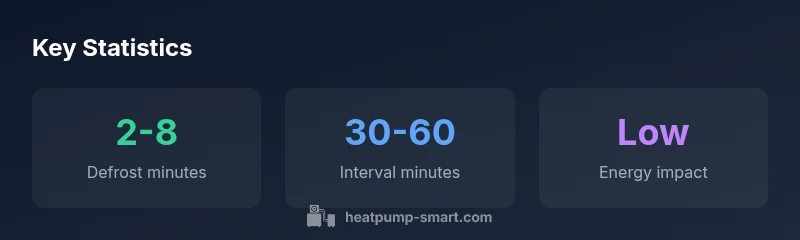
Defrost duration per cycle generally falls in the 2–8 minute range. The interval between cycles is typically 30–60 minutes in moderate winter conditions, but it can be shorter in very cold, high-humidity environments. Some models employ more aggressive strategies as outdoor temperatures plunge, while others rely on smoother, longer melts to minimize cycling and noise. Recognizing these patterns helps you interpret your unit’s behavior and plan for maintenance needs.
How to measure and verify your unit's defrost cycle
To verify defrost timing, listen for a brief yard of RPM changes or a noticeable shift in outdoor unit activity. Thermostats with outdoor sensors and smart controls often display a defrost indicator in the app or on the control panel. For a more precise read, you can monitor the duration with a simple stopwatch during a defrost event and cross-check against your unit’s manual. If timings consistently exceed the typical window, it may indicate a refrigerant issue, dirty coils, or sensor drift that deserves a professional check.
Impact on energy bills and comfort
Defrost is a necessary maintenance function that protects long-term efficiency. While a single defrost cycle temporarily reduces heating output, a properly functioning defrost system prevents frost buildup that would otherwise degrade heat transfer. In cold snaps, efficient defrost helps maintain steady indoor comfort with minimal energy penalties. When defrost runs too often or lasts too long, you may notice slightly higher bills or more frequent temperature swings, signaling a need for maintenance or adjustment.
Practical tips to optimize defrost performance
- Keep outdoor coils clean and free of snow or debris to shorten melt times.
- Ensure clear airflow around the outdoor unit and provide adequate clearance from obstructions.
- Schedule regular professional maintenance to check refrigerant charge, sensors, and control logic.
- Use a properly sized system and thermostat settings that suit your climate, avoiding excessive cycling.
- If you notice abnormal frosting patterns, address insulating issues or duct sealing to improve overall efficiency.
Troubleshooting: when defrost cycles seem abnormal
Frequent, prolonged defrosts or very rare defrosts can indicate issues beyond weather. Common causes include dirty coils, low refrigerant charge, faulty outdoor temperature sensors, or a failing defrost control board. Anomalies such as frost forming during mild days or frost accumulation on non-defrost cycles warrant a professional inspection to prevent energy waste and potential equipment damage.
When to call a pro and what to ask
If you observe persistent mis-timing of defrost events, unusual noises during defrost, or degraded heating performance, contact a qualified HVAC technician. Ask about: coil cleanliness, refrigerant charge, sensor calibration, and whether the defrost control strategy matches your climate. Regular maintenance plans can prevent timing drift and extend the life of the system.
Defrost cycle details by heat pump operation
| Aspect | Typical Range | Notes |
|---|---|---|
| Defrost duration per cycle | 2–8 minutes | Varies by model & outdoor conditions |
| Defrost interval between cycles | 30–60 minutes | Climate-dependent |
| Impact on energy use during defrost | Low to moderate | Depends on cycle length and outdoor temperature |
Your Questions Answered
What affects how long a defrost cycle lasts?
Outdoor temperature, humidity, coil cleanliness, refrigerant charge, and the control logic of the heat pump all influence defrost duration. Models with adaptive controls adjust timing in real time to weather conditions.
Defrost duration depends on weather and model; your unit may shorten or extend melt time based on conditions.
Is a longer defrost cycle always better?
Not necessarily. Longer cycles can waste energy if frost is already melting efficiently. The goal is a quick, sufficient melt that restores heat transfer without over-run.
Longer isn’t always better—efficient melts save energy.
How can I tell if my defrost cycle is working properly?
Look for a brief spike in outdoor unit activity and a melt of frost on the coils. App indicators or thermostat readouts can confirm timing. Body temperature should remain stable indoors.
Check the outdoor unit activity and any indicators on your thermostat or app.
What maintenance affects defrost timing?
Coil cleanliness, refrigerant charge, sensor accuracy, and dry air flow across the outdoor coil all influence how quickly frost melts.
Clean coils and good airflow help defrost work as designed.
Can climate change defrost duration over time?
Yes. Warmer winters with less frost reduce defrost frequency but cold snaps can intensify duration when frost forms, depending on the system.
Weather changes can shift defrost timing over years.
“Defrost timing is a balance between keeping the outdoor coil frost-free and minimizing energy use. Most systems are optimized to melt frost quickly without significant heat loss to the outdoors.”
Top Takeaways
- Know defrost duration typically lasts 2–8 minutes
- Expect 30–60 minute intervals in winter conditions
- Cleaner coils shorten cycle length and improve efficiency
- Defrost timing is climate- and model-dependent
- Regular maintenance helps keep cycles efficient and predictable