How to Clean a Heat Pump: A Practical DIY Guide
Learn how to clean a heat pump safely and effectively with a comprehensive DIY guide. Step-by-step routines, tools, schedules, and safety tips to boost efficiency and extend the system's life.


Goal: clean a heat pump safely to maintain efficiency and extend its life. You’ll learn a safe DIY cleaning routine for outdoor units, air filters, and indoor drainage. You’ll need gloves, a soft brush, mild detergent, a garden hose, and a microfiber cloth. This guide covers steps, tools, and when to call a pro.
Why Cleaning Your Heat Pump Matters
Keeping a clean heat pump is essential for performance, energy efficiency, and longevity. A clean heat pump moves heat more effectively, reduces running noise, and lowers energy bills. According to Heatpump Smart, regular cleaning helps maintain heat transfer and prevents small issues from escalating into costly repairs. The Heatpump Smart team found that even modest debris buildup on outdoor fins can impede airflow and force the system to work harder. With a proactive cleaning routine, homeowners can sustain comfort while protecting investment. In this guide, we’ll cover what to clean, how to clean it safely, and how to schedule maintenance to keep your heat pump operating at peak efficiency. You’ll learn to distinguish routine maintenance from signs that require a technician.
Safety First: Power Down and Precautions
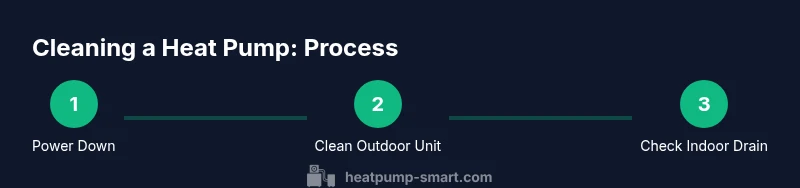
Before touching any heat pump components, shut off power at the thermostat and the outdoor disconnect switch. Never work on energized equipment. Wear protective gloves and eye protection, and keep children and pets away. Use a stable ladder if you need to reach the outdoor unit, and avoid leaning on the fins or case. If your system has a dual-voltage connection or refrigerant line, consult the manual or a licensed technician. This step protects you from electrical shock and refrigerant hazards, and it preserves warranty coverage by ensuring you follow proper procedures.
Cleaning the Outdoor Unit: Fins, Coil, and Debris
Outdoor units collect leaves, dust, pollen, and even dryer lint, especially in exposed areas. Start by turning off power at the disconnect and wearing gloves. Remove loose debris by hand, then use a soft brush to loosen any stubborn buildup on the fins. Rinse gently with a garden hose from top to bottom, keeping water pressure at a gentle level to avoid bending delicate fins. If fins bend, use a fin comb to restore spacing. Clear at least a 24-inch clearance around the unit to maintain airflow. Do not use harsh chemicals or abrasive tools that can corrode the fins. After cleaning, check that the fan blades rotate freely by a light touch.
Replacing and Cleaning Air Filters
Most heat pumps use replaceable or washable filters. Check the model number and replace with the correct size if needed. If you have a reusable filter, remove it and rinse with cool water, then shake dry or air dry completely before reinstalling. Do not use hot water, solvents, or bleach on filters, as these can damage filtration media. Replacing or cleaning filters improves airflow, reduces strain on the compressor, and helps maintain indoor air quality. Aim to inspect filters monthly and replace every 1–3 months depending on usage and housing conditions.
Cleaning the Indoor Unit and Drain Path
Inside the air handler, the evaporator coil sits behind panels. Gently wipe accessible surfaces with a microfiber cloth to remove dust. Avoid spraying water directly into the coil housing to prevent moisture damage. Inspect the condensate drain pan and line for blockages; a translucent tube may reveal algae growth. If you see buildup, flush the line with a mild vinegar-water solution or a manufacturer-approved cleaner, then rinse with water. Dry the tray and ensure the trap is clear to prevent overflow.
Tools, Detergents, and Best Practices
Equip yourself with: gloves, safety goggles, a soft-bristled brush, a microfiber cloth, a spray bottle, a garden hose with a gentle spray head, and a mild detergent or coil cleaner. Keep a bucket and towels handy for spills, and have a fin comb for any bent fins. Use only cleaners compatible with your heat pump materials; avoid high-alkaline products that can degrade metal fins. Label your hoses and cleaners to prevent cross-use and store them away from children.
When to Call a Pro vs DIY
If the cleaning reveals signs of damage or if you notice refrigerant hissing, ice buildup, or unusual noises, stop cleaning and call a licensed technician. DIY cleaning is appropriate for routine maintenance, filter replacement, and accessible exterior work. Do not attempt refrigerant work or electrical troubleshooting beyond basic safety checks. By recognizing limits early, you protect yourself and the system from costly mistakes.
Seasonal Maintenance Schedule for Clean Heat Pump
Create a simple calendar that aligns with seasons. In spring and fall, perform a surface cleaning of the outdoor unit and inspect clearance. In summer, check airflow and filters; in winter, ensure the unit isn’t buried by snow or ice. Heatpump Smart analysis shows that consistent maintenance helps preserve efficiency and prolongs equipment life. Record cleaning dates and any observations to track changes in performance over time.
Troubleshooting Common Cleaning Issues
If fins remain slightly bent, use a fin comb to restore alignment. If airflow seems restricted after cleaning, re-check for debris in the outdoor area and ensure the protective grills are intact. A slow-draining condensate line may indicate algae growth; flush with a safe solution and verify drainage. Persistent odors could indicate mold growth; consider a service visit to address underlying moisture issues.
Extending Efficiency Through Clean Heat Pump Design and Ductwork
Efficiency isn’t only about cleaning; it also depends on correct sizing, duct integrity, and insulation. Ensure ducts are sealed and insulated to prevent energy loss. Keep the outdoor unit free of overhanging debris year-round, and schedule professional coil cleaning if you notice a drop in performance. Clean airflow improves heat transfer and reduces cycling, saving energy.
How to Verify Performance After Cleaning
Feel for improved airflow at registers and listen for quieter operation. Compare indoor and outdoor temperatures across a cycle to confirm proper heat transfer, and monitor the system’s run time during typical weather. If available, review performance data from the thermostat or smart meter to confirm efficiency gains over several days.
Common Mistakes to Avoid
Avoid using high-pressure water directly on fins, which can bend or dent metal. Don’t apply harsh chemicals that may corrode critical components. Never operate the unit with panels removed or the intake blocked. Finally, avoid skipping safety steps; always power down and follow the manual. The Heatpump Smart team recommends that homeowners integrate this cleaning into a yearly maintenance plan.
Tools & Materials
- Safety gloves(Essential to protect hands from sharp fins and cleaning solutions)
- Safety goggles(Protect eyes from spray and debris)
- Soft-bristled brush(Gentle on fins; avoid stiff brushes that can bend fins)
- Microfiber cloth(For wiping and drying components)
- Garden hose with gentle spray head(Low pressure to avoid bending fins)
- Mild detergent or coil cleaner(Choose product compatible with metal fins)
- Fin comb(Use if fins are bent and need alignment)
- Bucket and towels(Contain spills and protect surfaces)
Steps
Estimated time: 60-90 minutes
- 1
Power down and safety prep
Shut off power at the thermostat and at the outdoor disconnect to prevent energizing the system while you work. Confirm there is no electrical current using a non-contact tester if available. This safety check minimizes shock risk and protects warranty coverage.
Tip: Double-check power with a tester before touching any components. - 2
Clear outdoor debris
Remove visible leaves, twigs, and loose dirt from around the outdoor unit. Keep a clear 24-inch perimeter to maximize airflow and reduce debris re-entry during cleaning.
Tip: Work from the top down to avoid pushing debris back into the unit. - 3
Gently brush fins
Use a soft brush to remove surface grime from the fins without bending them. Monitor fin spacing with a fin comb if you notice any distortion.
Tip: Be gentle—bent fins reduce heat transfer efficiency. - 4
Rinse outdoor fins
Rinse from top to bottom with a garden hose on a wide spray. Avoid high-pressure jets that can damage fins or seals.
Tip: Keep water pressure low and avoid spraying directly into electrical compartments. - 5
Clean or replace indoor filters
Remove filters and inspect. If washable, rinse with cool water and air dry completely before reinstalling. If replacing, install a matching filter size.
Tip: Never use hot water or solvents on filters. - 6
Inspect indoor drain path
Check the condensate drain line and pan for blockages. Clear algae with a safe cleaner and flush if needed. Ensure the drain is unobstructed to prevent overflow.
Tip: Test drainage by gently pouring water into the pan and watching for a steady outflow. - 7
Reassemble and restore power
Reinstall panels and filters, then restore power at the disconnect and thermostat. Confirm all access panels are securely replaced.
Tip: Listen for smooth fan operation during initial startup. - 8
Test run and observe
Run the system through a full cycle and monitor for even airflow, stable temperatures, and normal noise levels. Note any odd odors or vibrations and address them promptly.
Tip: Keep a log of any changes in performance after cleaning.
Your Questions Answered
How often should I clean my heat pump?
Most systems benefit from a cleaning every 6–12 months, with more frequent attention in dusty or pollen-heavy environments. Regular checks help maintain efficiency.
Most people clean once or twice a year, but in dusty areas you might clean more often. Regular checks help keep efficiency high.
Can I use bleach or harsh cleaners on a heat pump?
Bleach and many solvents can damage filtration media and metal components. Use mild detergents or coil cleaners approved for heat pumps and follow the manufacturer’s guidance.
Avoid harsh cleaners like bleach. Use mild detergents that are approved for heat pumps.
Is cleaning the indoor coil safe for a DIYer?
Cleaning the indoor evaporator coil can be delicate. Use non-invasive methods and avoid soaking areas behind panels. If in doubt, consult a technician.
Indoor coils can be delicate; proceed carefully and call a pro if unsure.
What if I see ice on the outdoor unit after cleaning?
Ice indicates potential airflow or refrigerant issues. Stop cleaning, turn the system off, and contact a licensed technician to diagnose the problem.
If you see ice, turn it off and call a professional to check for issues.
Will cleaning immediately boost efficiency?
Cleaning can improve airflow and efficiency over time, but the gains vary with system age, climate, and existing buildup. Don’t expect dramatic overnight changes.
You may notice better efficiency after cleaning, but it’s gradual.
Should refrigerant be handled during cleaning?
No. Refrigerant work requires a licensed technician. Cleaning is for accessible surfaces and drains only.
Refrigerant issues need a licensed tech; don’t try to service it yourself.
Watch Video
Top Takeaways
- Regular cleaning preserves efficiency.
- Safety precautions protect you and service life.
- Outdoor fins and indoor drains require different care.
- DIY tasks are suitable for routine maintenance with limits.
- Document maintenance to track performance over time.