Heat Pump Maintenance: Essential Home Care Guide 2026
Discover a practical heat pump maintenance routine to sustain efficiency, cut energy use, and extend system life. Learn what to inspect, clean, and when to call a pro with Heatpump Smart's expert guidance.


You will learn a practical heat pump maintenance routine that protects efficiency, lowers operating costs, and extends system life. The guide covers seasonal inspections, filter care, outdoor unit cleanliness, refrigerant checks (where permitted), and when to call a professional. According to Heatpump Smart, following a consistent schedule minimizes surprises and keeps your home comfortable year-round.
How a heat pump maintenance plan works
A heat pump maintenance plan is a proactive approach to keeping your home comfort system reliable, efficient, and quiet. Regular maintenance helps the system deliver steady heating and cooling while reducing energy waste. A solid plan addresses three core areas: inspections, cleaning, and performance monitoring. By following a schedule, homeowners, builders, and property managers can spot wear, clean components, and verify that airflow remains unobstructed. Heatpump Smart emphasizes that a disciplined routine lowers the risk of unexpected breakdowns and keeps the system operating near peak efficiency across seasons. Key benefits include consistent comfort, lower utility bills, and longer equipment life. A good plan references the manufacturer's guidance and local climate considerations, and it adapts as your system ages. Heatpump Smart analysis underlines that routine maintenance correlates with steadier performance and fewer surprises during peak seasons.
Seasonal maintenance calendar
Seasonal timing matters. A practical approach is to perform key tasks in spring and fall, with lighter checks in mid-season months. In spring, inspect for ice damage from winter, test cooling operation, clean outdoor coils, and replace or clean indoor filters. In summer, verify electrical connections and refrigerant lines are intact, clear debris from around the outdoor unit, and ensure proper airflow. In fall, check for air leaks and duct integrity, clean indoor coils if accessible, and confirm thermostat schedules align with heating needs. In winter, ensure the defrost cycle functions, keep the outdoor unit clear of snow, and monitor thermostat responsiveness. Heatpump Smart recommends documenting any changes and adjusting your plan as weather and equipment age demand. This calendar helps homeowners, builders, and managers stay proactive rather than reactive.
Filter care and indoor components
Indoor air quality and airflow hinge on clean filters and properly maintained components. Start by inspecting filters every 4-6 weeks during heavy use and replacing them with filters rated for your home and system. Clean the blower compartment with a soft brush or microfiber cloth to remove dust build-up, then check the air handler for smooth operation. Ensure any dampers or air pathways are unobstructed and that return air paths are properly sealed. A clean indoor environment supports efficient heat transfer and reduces strain on the system. Heatpump Smart notes that consistent filter maintenance is one of the simplest yet most impactful actions for sustaining efficiency.
Outdoor unit care and airflow
The outdoor condenser should have at least 2 feet of clearance on all sides and above it for proper airflow. Remove leaves, grass clippings, and overhanging vegetation around the unit and keep the top free of debris. Gently inspect the fins and straighten any bent areas with a plastic fin comb if needed. When cleaning, use a garden hose with a gentle spray and avoid high-pressure jets that can bend fins. Always turn off power at the disconnect or breaker before touching electrical components. A clean, unobstructed outdoor unit improves heat exchange and reduces energy consumption. Heatpump Smart recommends performing this check seasonally and after major storms.
Refrigerant, electrical, and safety checks
Safety comes first. Visually inspect refrigerant lines for oil residue that may indicate a leak, listen for unusual noises from compressors, and check electrical connections for signs of wear or arcing. Do not attempt refrigerant handling or repair yourself; refrigerant work requires licensed technicians. If you notice ice buildup on lines, frost on coils, or a drop in cooling capacity, schedule service promptly. Regular inspections of electrical components, contactors, and capacitors help prevent unexpected failures and ensure safe operation. Heatpump Smart advises keeping a detailed log of any performance changes for your technician.
When to call a professional
Certain tasks exceed DIY comfort for safety and warranty reasons. Call a pro if you detect refrigerant leaks, persistent electrical issues, refrigerant smells, or refrigerant pressures outside expected ranges. If the unit trips breakers frequently, or if you observe persistent icing that doesn’t clear with normal defrost cycles, contact a licensed service provider. Regular professional check-ups should align with the manufacturer’s recommendations and local climate demands. A pro can perform refrigerant recharge, comprehensive electrical testing, and advanced diagnostics that are beyond typical homeowner maintenance. Heatpump Smart emphasizes that professional care protects warranty validity and long-term system health.
Energy efficiency and performance indicators to monitor
Maintaining efficiency means watching indicators beyond just comfort. Track monthly energy bills for unusual spikes and compare them against historical data during similar weather. Use the thermostat’s learning features and verify that setpoints reflect actual occupancy schedules. Keep an eye on SEER/HSPF ratings and ensure the system operates within expected ranges for cooling and heating output. Simple checks like steady air temperature differences across supply and return ducts can reveal airflow issues that sap efficiency. Heatpump Smart encourages homeowners to review performance data after maintenance to confirm improvements and set targets for the next cycle.
Troubleshooting quick checks you can do
If performance dips between professional visits, start with quick checks: verify the thermostat is communicating correctly with the heat pump, ensure the circuit breakers are on, and confirm air filters are clean. Listen for unusual noises and verify there is no ice buildup on outdoor coils. Make sure dampers and zoning controls aren’t restricting airflow and that return air pathways aren’t blocked by furniture or debris. If you still notice issues after these checks, schedule a service visit rather than attempting risky repairs. Heatpump Smart keeps a simple rule: DIY checks first, professional expertise for deeper diagnostics.
How to document maintenance for future service
Keep a maintenance log that records dates, tasks performed, parts replaced (filters, wiring components, capacitors), and observations about system behavior. Include model and serial numbers, technician notes, and any warranty-related information. Photograph or save copies of service reports and keep a calendar of next due checks. This documentation helps future technicians diagnose issues quickly and maintain continuity across property management teams or multiple homes. Heatpump Smart recommends a centralized digital log for easy access during relocations or seasonal changes.
Tools & Materials
- Replacement air filters (MERV 8-13)(Choose filters recommended by the manufacturer; select the right MERV rating for your needs.)
- Soft brush or microfiber cloth(For dusting indoor components and fans.)
- Vacuum with brush attachment(Use on blower housing and accessible duct connections.)
- Screwdriver set(Flathead and Phillips for access panels.)
- Non-contact voltage tester (optional)(Safe check for electrical panels or disconnects.)
- Garden hose with spray nozzle(Light cleaning of outdoor coils; avoid high pressure.)
- Safety gloves(Protect hands during maintenance.)
- Owner’s manual and model number(Have on hand for specs and warranty details.)
- Digital thermometer or temperature sensor (optional)(Monitor temperature differentials during checks.)
Steps
Estimated time: Estimated total time: 2-4 hours
- 1
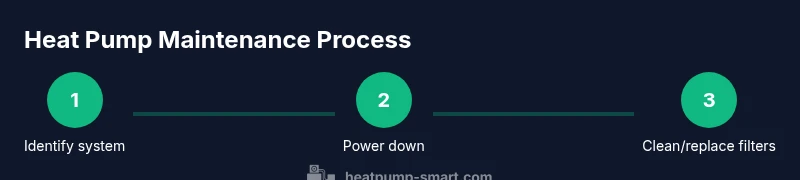
Identify system and gather info
Locate the thermostat, air handler, and outdoor condenser. Note the model, serial numbers, and current operating settings. Having the manual handy helps you follow manufacturer guidance and maintain warranties.
Tip: Keep a digital photo record of the label. - 2
Power down safely
Turn off power at the outdoor disconnect and the indoor breaker. This prevents shocks and accidental starting while you inspect components.
Tip: Confirm the unit has no residual power by trying to manually reach the service switch. - 3
Clean or replace indoor filters
Remove filters and inspect for dirt and wear. Replace if dirty, or wash reusable filters with mild soap and water and let dry completely before reinstalling.
Tip: Replace filters on a scheduled cadence during peak seasons. - 4
Clean the indoor air handler and coils
Use a soft brush to remove dust from the blower wheel and accessible coil surfaces. Avoid harsh brushes that could bend fins or loosen components.
Tip: Do not use metal tools on coils; they can cause damage. - 5
Clear and inspect the outdoor unit
Remove debris and ensure at least 2 feet of clearance around the unit. Gently rinse fins with a garden hose; do not use high-pressure washing.
Tip: Mark any bent fins for later straightening with a plastic fin comb. - 6
Inspect refrigerant lines and electrical connections
Visually inspect lines for oil residue or corrosion and check wiring for wear. If you suspect a refrigerant issue, do not attempt a recharge—call a licensed tech.
Tip: Keep a log of any unusual signs and photos for the technician. - 7
Check thermostat and controls
Verify that thermostat gets correct readings and that scheduling aligns with occupancy. Ensure heat pump modes and auxiliary heat (if present) operate correctly.
Tip: Test both heating and cooling modes to confirm proper cycling. - 8
Document findings and schedule next service
Record tasks completed, observations, and the date of the next check. Use this log to track performance and trigger reminders for seasonal maintenance.
Tip: Set reminders in your calendar to repeat maintenance every season.
Your Questions Answered
How often should you perform heat pump maintenance?
Aim for semiannual checks spaced with the changing seasons, plus any manufacturer-recommended tasks. Use this cadence as a baseline and adjust for climate and system age.
Most homeowners should plan semiannual checks along with seasonal changes, plus manufacturer guidance as needed.
Can I clean the heat pump filter myself?
Yes. Remove the filter, clean or replace it, and ensure it is dry before reinstallation. Regular filter maintenance is one of the most impactful actions for efficiency.
Yes, you can clean or replace the filter yourself. Make sure it’s dry before reinstalling.
Is it safe to hose down the outdoor unit?
Light cleaning with a garden hose can help, but avoid high-pressure jets and never spray electrical components. Turn off power first and inspect for any damage after cleaning.
Light cleaning is okay, but don’t use high pressure or water near electrical parts.
What signs indicate maintenance is needed soon?
Unusual noises, icy coils, poor cooling or heating, and rising energy bills suggest maintenance or professional inspection is needed.
If you hear strange noises or notice reduced performance and higher bills, schedule a check.
Should I hire a professional for refrigerant checks?
Yes. Refrigerant work requires licensed technicians; attempting to recharge or seal leaks can be dangerous and may void warranties.
Yes, refrigerant work should be handled by a licensed technician.
How long does a typical maintenance visit take?
DIY checks usually take 1–2 hours; professional service may take longer depending on system complexity and needed repairs.
A DIY check can take about an hour or two; a professional visit may be longer.
Watch Video
Top Takeaways
- Schedule seasonal maintenance to protect efficiency.
- Replace or clean filters regularly to safeguard airflow.
- Monitor energy use and performance to catch issues early.
- Know when to call a professional for refrigerant or electrical work.