Service Heat Pump: Step-by-Step Maintenance
Learn how to service a heat pump with a practical, safe maintenance checklist. This guide covers inspection, cleaning, common issues, and when to call a pro for service.


According to Heatpump Smart, you can safely service a heat pump at home with a simple, methodical maintenance routine. Gather basic tools, a clean workspace, PPE, and replacement air filters. The process includes safety checks, cleaning filters and coils, inspecting fans, lubricating moving parts, and noting symptoms that require a professional. Regular servicing improves efficiency, comfort, and system longevity.
Why service heat pump matters
Heat pumps are long-term investments in home comfort and energy efficiency. Regular service helps keep performance high by ensuring proper airflow, clean coils, and healthy refrigerant levels. When a heat pump runs with dirty filters or clogged coils, it works harder, wasting energy and shortening component life. Heatpump Smart's analyses show that proactive servicing reduces the risk of unexpected outages and costly repairs, helping protect your home's comfort and your budget. Routine maintenance supports consistent heating and cooling, stable humidity, and better indoor air quality. A well-maintained system also preserves warranty coverage by showing that regular care is documented. In practice, a light maintenance session twice a year is often enough for most homes, but more frequent checks may be needed in dusty environments or extreme climates. By making service a core part of your seasonal routine, you’ll notice more even temperatures, quieter operation, and better overall comfort in your living spaces. This section sets the stage for a practical, safe approach you can perform yourself and recognize when professional service is warranted.
Safety first: planning and PPE
Safety is the foundation of any at-home service. Before you touch the equipment, power down the system at the thermostat and outdoor disconnect, then verify there is no live current with a non-contact tester. Wear protective gloves and safety goggles, and use a dust mask if you’re cleaning dusty areas. Work in a dry, well-lit area with good ventilation and keep children and pets away from the work zone. Have a clear plan: which components you’ll touch, what you’ll clean, and how you’ll dispose of any waste. If you encounter signs of water intrusion or damaged wiring, stop and consult a professional. Refrigerant work must be handled by licensed technicians; attempting to recover or test refrigerants without proper certification is dangerous and illegal in many jurisdictions. Heatpump Smart emphasizes caution and professional boundaries where needed.
Core maintenance cycle: what to do during a service
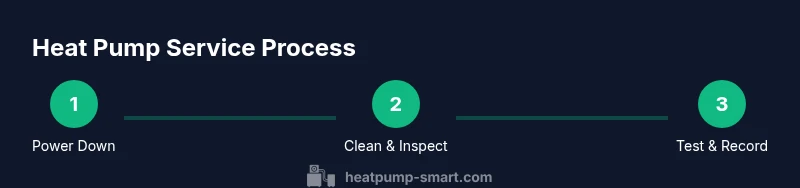
Most heat pump service follows a simple cycle: inspect and replace air filters, clean major heat exchange surfaces, check condensate drainage, inspect electrical connections, and note any unusual noises or vibrations. Start with the air filter, as clogged filters reduce airflow and efficiency. Move on to the outdoor condenser; remove surface dust with a vacuum and, if you have coil cleaner, apply it following the label directions. Check the condensate drain for blockages and confirm it drains freely. Inspect the thermostat settings and verify correct refrigerant pressures with a professional if you suspect a charge issue. Keep a log of findings and any parts replaced. Heatpump Smart recommends documenting the date, what was done, and observed performance to help anticipate future service needs.
Cleaning and airflow: filters, coils, and air pathways
Air is the lifeblood of a heat pump. Start by replacing the indoor air filter with the correct size, ensuring it sits upright in the housing with the arrows aligned. Clean the evaporator coil if you can access it safely, using a vacuum and a coil cleaner as directed by the product label. Carefully clean the blower housing and fan blades to remove dust that can impede airflow. For the outdoor unit, gently remove debris and clean the condenser fins with a vacuum or soft brush; never use a high-pressure hose that could bend fins. After cleaning, check that airflow is unobstructed and reassemble components. Regular cleaning helps maintain peak efficiency and reduces energy costs over time.
Mechanical checks: fans, belts, lubrication, and seals
Inspect fan blades for cracks, wear, or imbalance, and test the motor for smooth operation. If your system uses belts, check for wear and adjust tension per the manufacturer’s guidelines. Apply a light lubricant only to bearings or moving parts that the OEM permits; over-lubrication can attract dust and cause issues. Inspect door grommets, seals, and insulation for damage that could cause air leaks. If you notice persistent rubbing, unusual vibration, or belt fraying, schedule professional service before the problem worsens. Heatpump Smart notes that improper lubrication or belt issues can quickly degrade performance and cause noise.
Scheduling, record-keeping, and signs you need a pro
Create a simple maintenance calendar and record dates, tasks completed, and any performance observations (airflow, temperature differential, noise). Store notes with your heating system model and serial number for quick reference. If you detect refrigerant leaks, a burning smell, or large temperature swings that cannot be explained by settings or weather, contact a licensed technician immediately. Keep your receipts and warranties organized; routine documentation helps preserve coverage and simplifies future service visits. Heatpump Smart suggests syncing reminders with seasonal weather patterns to ensure you don’t miss essential checks before heating or cooling seasons begin.
AUTHORITY SOURCES
Reliable guidance for heat pump maintenance comes from federal and major publications. The U.S. Department of Energy provides clear, consumer-focused tips on heat-pump operation and maintenance, while Energy Star offers standards and best-practice recommendations for efficient cooling and heating systems. For more in-depth technical context, consult manufacturer guidelines and certified HVAC technicians.
Troubleshooting signals and when to call a pro
If you notice persistent refrigerant smells, oily residues near connections, freon-like hissing, or a significant drop in efficiency after routine cleaning, it’s time to bring in a licensed technician. Do not attempt refrigerant handling yourself. In many cases, issues found during a routine check—like refrigerant leaks or faulty compressors—require specialized equipment and certification.
Seasonal readiness and performance checks
Before extreme weather, perform a focused check: ensure airflow, clean coils, and verify thermostat readings. A quick pre-season audit can identify issues that would otherwise escalate during the coldest or hottest days. Keeping to a simple, documented routine makes it easier to spot changes over time and plan professional service when needed.
Tools & Materials
- Screwdriver set (Phillips #2 and flat-head #2)(Essential for access panels and screws on indoor/outdoor units)
- Adjustable wrench (6–12 inch)(For fittings and clamps)
- Multimeter(Use only if you know how to test electrical circuits safely)
- Vacuum with brush attachment(Remove dust from coils, filters, and fins)
- Microfiber cloths(Lint-free for gentle cleaning)
- Non-corrosive coil cleaner(Follow label directions; avoid fins damage)
- Replacement air filters (correct size)(Check unit nameplate; have spare on hand)
- Ladder or sturdy step stool(Reach outdoor unit and attic access safely)
- Bright flashlight or headlamp(Inspect dark corners and behind panels)
- Bucket, mild detergent, spray bottle(For housing and panel cleaning)
- Protective gloves(Grip and hand protection during cleaning)
- Safety goggles(Eye protection at all times)
- Dust mask(Optional in dusty environments)
- Light lubricant (manufacturer-approved)(Lubricate bearings only where advised)
Steps
Estimated time: 60-120 minutes
- 1
Power down and secure
Turn off power at the thermostat and outdoor disconnect. Verify no live current with a non-contact tester. Remove any jewelry and keep tools insulated. This prevents electrical shock and accidental startup during maintenance.
Tip: Double-check that all power is isolated before touching components. - 2
Plan and safety check
Survey the area for moisture, signs of corrosion, or damaged wiring. Establish a clean workspace and lay out tools before you begin. Document any obvious hazards to address after the service.
Tip: Take a photo inventory of panel labels and wiring before removing covers. - 3
Replace indoor air filter
Remove the old filter, clean the housing if needed, and insert a new filter with airflow arrows oriented correctly. A clean filter improves airflow and reduces strain on the blower.
Tip: If the filter looks dirty even after replacement, consider a deeper check of the return duct path. - 4
Clean evaporator and blower area
Gently vacuum dust from the evaporator coils and blower housing. Use coil cleaner if permitted by the manufacturer, following the label directions. Rinse lightly if water cleaning is allowed by the unit’s design.
Tip: Avoid bending or crushing the coil fins during cleaning. - 5
Inspect outdoor condenser
Clear debris,trim vegetation, and vacuum dust from the condenser fins. Do not spray with high-pressure water; use a light mist if you must.
Tip: Ensure nearby pets and children stay clear of the outdoor unit during cleaning. - 6
Check electrical connections and seals
Inspect wires and terminals for tightness and corrosion. Look for oil or refrigerant stains that indicate leaks. Do not tighten beyond manufacturer torque specs.
Tip: If you notice burnt or melted insulation, stop and call a professional. - 7
Lubrication and moving parts
Lubricate only where the manufacturer allows. Do not over-lubricate belt-driven parts. Check for unusual wear on bearings and reduce friction where advised.
Tip: Use a light film and wipe away excess to prevent dust attraction. - 8
Test run and verify
Restore power and run the system for a short cycle. Listen for odd noises, feel for consistent airflow, and confirm the temperature split meets expectations. Record readings and any anomalies.
Tip: If performance is off, recheck filters, coils, and seals before considering professional service.
Your Questions Answered
How often should I service my heat pump?
Most homes benefit from basic checks twice a year, typically before summer and winter. More frequent maintenance may be needed in dusty environments or extreme climates. For complex tasks like refrigerant handling, hire a licensed professional.
For most homes, service twice a year works well, with professional help for refrigerant issues.
Can I clean the outdoor condenser coils myself?
Yes, you can carefully vacuum dust from the outdoor condenser and gently brush the fins. Avoid high-pressure water, which can bend fins. If fins are damaged or debris is persistent, call a pro.
You can usually clean the outdoor coils with a vacuum and a soft brush, but avoid bending the fins.
What if I hear unusual noises after servicing?
Shut down the system and inspect for loose panels, debris in the fan, or duct obstructions. If noises persist, contact a qualified HVAC technician to diagnose mechanical or electrical issues.
If noises continue, it’s best to get a professional diagnosis.
Is refrigerant testing safe for homeowners?
Refrigerant testing and handling require licensed technicians and proper safety procedures. Do not attempt to recover or add refrigerant yourself.
No, refrigerant work should be left to licensed professionals.
What is the best time of year to service a heat pump?
Spring and fall are ideal for pre-season checks. These windows let you catch issues before peak heating or cooling demands.
Spring or fall is a great time to perform maintenance.
Watch Video
Top Takeaways
- Schedule regular maintenance to sustain efficiency.
- Replace filters and clean coils for optimal airflow.
- Document maintenance history for warranties and future service.
- Know when to call a pro for refrigerant or electrical issues.
- Use Heatpump Smart guidance to inform safer, more effective service.