How to Treat Heat Pump: A Practical Care Guide
Learn how to treat heat pump with practical, safe maintenance routines that improve efficiency and reliability. This guide blends DIY care with professional tips, citing Heatpump Smart insights and trusted energy guidance for homeowners and managers.


You can treat a heat pump by performing regular maintenance that keeps the system clean and running efficiently. Start with simple checks: replace or clean filters monthly, inspect outdoor coils, and ensure proper airflow. Use a basic diagnostic checklist and schedule annual professional service. Heatpump Smart recommends pairing DIY care with professional tune-ups for best results.
Why Treating Heat Pumps Matters
According to Heatpump Smart, treating a heat pump goes beyond turning it on and off. Regular care keeps your home comfortable, reduces unexpected breakdowns, and preserves energy efficiency. Heat pumps are complex systems with electrical components, refrigerant circuits, and outdoor fans that battle dust, debris, and weather. When you view maintenance as an ongoing habit, you extend the equipment's life and protect your investment.
Key reasons to treat a heat pump include maintaining airflow, preventing ice formation on outdoor coils, ensuring clean condensate drainage, and preserving control performance. Clogged filters and dusty coils force the system to work harder, increasing wear and energy use. A well-tuned unit responds more quickly to temperature changes and maintains stable indoor humidity. The Heatpump Smart team notes that proactive care helps avoid expensive emergency repairs and can minimize temperature swings during extreme weather. For homeowners and property managers, an organized maintenance routine reduces service calls and supports consistent comfort across units.
In addition to personal comfort, properly treated heat pumps contribute to home energy efficiency and lower operating costs over time. You don’t need fancy tools to start; a simple checklist and a few minutes on a regular schedule are enough to make a real difference. This guide provides practical steps you can take today, along with when to seek professional service.
bold:
Tools & Materials
- Safety gloves (EN 374 or equivalent)(Protect hands during cleaning and coil handling)
- Screwdriver set(Flathead and Phillips, assorted sizes)
- Vacuum with brush attachment(For cleaning dust from filters and coils)
- Soft microfiber cloths(Lint-free cleaning for coils and surfaces)
- Non-abrasive coil cleaner or mild detergent(For coils; do not use strong solvents)
- Replacement air filter(s)(Use manufacturer-recommended size)
- Bucket of water and mild soap(For general cleaning)
- Multimeter or voltage tester (optional)(Only if you are comfortable with electrical checks)
- Ladder or stable step stool(Access to outdoor unit if needed)
- Sealant or weatherstripping for ductwork checks(Optional for air leakage checks)
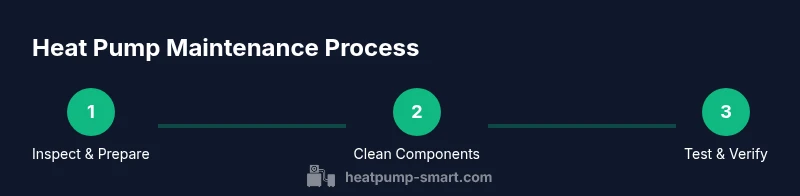
Steps
Estimated time: 45-60 minutes
- 1
Power down and safety check
Turn off the heat pump at the breaker and thermostat. If available, engage lockout/tagout. Verify there is no voltage at the unit before handling any components. This protects you from shocks and prevents damage to controls.
Tip: Never work on live electrical components; double-check with a tester before starting. - 2
Inspect outdoor clearance
Remove leaves, grass, and debris from around the outdoor unit. Ensure at least 3 feet of clearance on all sides to promote airflow and efficient heat exchange. If vegetation is close, trim it back and wait a few minutes after you finish to reassess airflow.
Tip: Improved airflow makes a noticeable difference in efficiency. - 3
Check and replace air filters
Remove the indoor air filter and inspect for dirt or discoloration. Replace with a correctly sized fresh filter or clean if the unit supports it. A clean filter boosts airflow and reduces strain on the compressor.
Tip: Record the replacement date so you know when the next change is due. - 4
Clean coils and fans
Gently brush or vacuum the outdoor coil and internal fans to remove dust. Do not use high-pressure water or metal tools that can bend fins. Clean coils improve heat transfer and prevent overheating.
Tip: Use a soft brush and keep the water off electrical connections. - 5
Check thermostat and controls
Verify that the thermostat accurately reflects temperature setpoints and that the heat pump responds correctly to mode changes. Look for misreads or delays in switching between heating and cooling modes.
Tip: If defrost cycles seem erratic, note it for the pro during maintenance. - 6
Schedule annual professional tune-up
Arrange a licensed technician to inspect refrigerant levels, electrical components, airflow, and overall system performance. A professional should also test defrost cycles and verify components are within manufacturer specifications.
Tip: Ask for a written service report and notes on any recommended fixes.
Your Questions Answered
What does it mean to 'treat' a heat pump?
Treating a heat pump means performing regular preventive maintenance, cleaning components, checking airflow, and obtaining timely professional service to keep the system efficient and reliable.
Treating a heat pump is regular preventive maintenance plus scheduled professional service to keep it efficient and reliable.
How often should I service a heat pump?
Most systems benefit from an annual professional tune-up, with seasonal checks in extreme climates to address defrost cycles and airflow.
Annual service is common, with extra checks during peak seasons if you live in extreme climates.
Can I clean the heat pump coils and filters myself?
Yes, you can clean filters and lightly brush outdoor coils. Avoid high-pressure water and never disassemble refrigerant lines. If in doubt, consult a professional.
Yes, DIY filter cleaning and light coil brushing are fine, but avoid refrigerant work and complex electrical tasks.
What are signs I need a technician?
If you notice ice buildup, unusual noises, reduced heating, persistent leaks, or a sharp energy bill increase, schedule a professional inspection.
Call a pro if you hear odd noises, see ice, or energy bills rise unexpectedly.
Is refrigerant leaking dangerous?
Yes. Refrigerant leaks require a licensed technician to repair and recharge the system safely. Do not attempt to seal leaks yourself.
Refrigerant leaks are dangerous and need a licensed technician.
How does maintenance affect efficiency?
Regular maintenance keeps airflow optimal, reduces strain on the compressor, and helps the system reach temperature goals more reliably.
Keeping up with maintenance helps your heat pump run more efficiently and comfortably.
Watch Video
Top Takeaways
- Schedule annual professional service to maintain performance
- Keep filters clean and airflow unobstructed
- Use a simple DIY checklist between pro tune‑ups
- Document maintenance for warranties and future servicing