How Long Do Heat Pumps Last in Florida? A Longevity Guide
Learn how long heat pumps typically last in Florida, what climate and maintenance affect lifespan, and practical tips to maximize efficiency and service life.


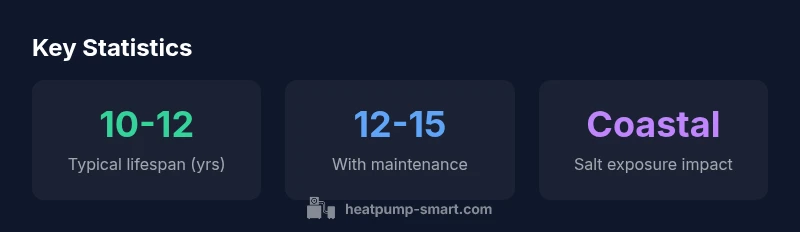
How long do heat pumps last in Florida? Most air-source heat pumps installed in Florida typically endure about 10–12 years with standard maintenance. With proactive care—annual tune-ups, coil cleaning, and proper refrigerant checks—lifespans of 12–15 years are possible. Florida climate and usage patterns can influence this range, so maintenance matters most.
How long do heat pumps last in Florida?
In Florida, the typical lifespan of an air-source heat pump falls in the 10-12 year range with standard maintenance. Homeowners often ask how long do heat pumps last in florida, and the answer depends on climate, usage, load, and service history. The heat and humidity that dominate Florida's climate place unique demands on outdoor components, especially the condenser coil and fan motor, which face more frequent cycling during the hot months. Heatpump Smart's analysis, drawing on field data from Florida installs, shows that regular maintenance is a stronger predictor of longevity than brand alone. If a system runs efficiently and the refrigerant charge remains within specification, it can reach the 12- to 15-year window, particularly when the indoor unit remains clean and the ductwork is well-sealed. In practice, you may see closer to 8- to 10-year lifespans for systems that neglect maintenance, experience salt spray near coastal areas, or operate with frequent on-off cycling. Because winters in Florida are mild, the cooling season dominates, meaning the compressor works harder for longer stretches. A well-maintained unit with a correct load calculation, quality components, and an experienced installer will generally deliver the longest service life.
Florida climate: what wears out a heat pump
Florida's climate combines heat, humidity, coastal salinity, and seasonal storms. Outdoor units face corrosion from salt air in coastal zones, and high humidity accelerates moisture-related wear on electrical connections and capacitors. Frequent cycling during long summer cooling seasons increases compressor hours, which can shorten life if maintenance intervals are skipped. The indoor air handler, though less exposed, still suffers when filters are neglected or when air leaks in the ductwork force the system to work harder. Heat pumps in Florida also contend with intense solar gain on the outdoor cabinet, which can raise surface temperatures and stress the coil matrix over time. Additionally, if a Florida home uses electric resistance heat as a backup, avoid chronic switching; that can add stress on the compressor during cold snaps (rare in Florida, but possible in cold spells). A key takeaway: climate-related stressors are substantial, but the right maintenance plan can mitigate most wear and extend life beyond the minimum.
Key components that determine lifespan
Heat pumps are complex systems; the lifespan hinges on components such as the outdoor condenser coil, refrigerant circuit, compressor, reversing valve, and evaporator/fan assembly. In Florida, corrosion-prone outdoor coils need protective coatings and careful drainage to avoid mineral fouling. The efficiency of the reversing valve and the integrity of the electrical connections influence performance over time. Regular inspections can catch early signs of wear, reducing the risk of a sudden breakdown. If the coil is coated and cleaned, and the refrigerant charge remains stable, you reduce strain on the compressor and motor assembly, extending overall life. A common issue in humid climates is capacitor degradation due to moisture; replacement during routine service is cheaper than a full compressor failure. In Florida, the same principles apply as elsewhere, but with additional emphasis on corrosion protection and moisture management.
Florida-specific maintenance that can add years
To maximize lifespan in Florida, homeowners should emphasize corrosion protection, moisture control, and system protection from salt spray. Regular coil cleaning prevents mineral buildup that reduces heat exchange efficiency. Filter changes every 1-3 months (more often in dusty or coastal environments) keep indoor components from overworking the blower. Ensure outdoor units are clear of debris, trimmed back from overhanging foliage, and shielded from direct salt spray when possible. Ducts should be sealed and insulated to minimize heat gain and loss, reducing compressor run-time. Protective coatings on outdoor coils, with periodic inspection, can slow corrosion. Coastal homes may benefit from additional weatherproofing and protective housings. Finally, hire a qualified technician for annual tune-ups, refrigerant checks, and system diagnostics to catch small issues before they become failures.
How usage patterns in Florida affect longevity
Florida's long cooling season means heat pumps often run longer hours than in milder climates. This increases compressor wear and fan motor workload if maintenance is neglected. Psychological comfort expectations also shape usage: some homes keep temperatures slightly lower for longer periods, while others rely on programmable thermostats to balance load. Both strategies influence energy use and mechanical stress. Coastal homes face harsher conditions due to salt exposure, while inland homes contend with higher dust and humidity. Understanding your usage patterns helps tailor a maintenance plan that minimizes unnecessary cycling and keeps refrigerant pressures within spec. The bottom line: sensible use paired with preventive care extends life more than oversized equipment or aggressive cooling in peak heat.
Choosing a heat pump for longevity: efficiency and build quality
Longevity begins with design and build quality. When selecting a heat pump for Florida, prioritize high-efficiency models with reliable compressors and robust outdoor cabinets. Look for variable-speed (inverter) compressors, which run more smoothly and with less stress than single-stage units. A good outdoor coil coating protects against salt spray, and a corrosion-resistant cabinet helps in coastal zones. Pay attention to warranty terms for compressor and parts, and verify that the installation will meet local codes and load calculations. Duct design is also essential; leaky ducts force the unit to run longer, reducing life. Finally, choose a contractor with Florida experience, as proper installation is often the deciding factor in how long a heat pump lasts.
Troubleshooting and signs your heat pump is aging
As heat pumps age, expect subtle changes before a failure. Look for reduced cooling or heating efficiency, cycling on and off more frequently, or unusual noises from the outdoor unit. Ice buildup on the outdoor coil during warm months can indicate airflow or refrigerant issues. Higher electricity bills without a corresponding increase in comfort suggest inefficiency. Refrigerant leaks, noisy fans, and worn capacitors can precede a breakdown. If you notice any of these signs, schedule a diagnostic with a qualified technician promptly to prevent minor issues from becoming major failures. Early intervention is often cheaper and prolongs overall system life.
Practical maintenance schedule for Florida homes
Create a Florida-focused maintenance calendar that aligns with your cooling-heavy season. Monthly tasks include checking and replacing filters as needed and inspecting outdoor units for debris or signs of corrosion. Quarterly or biannually, have a licensed technician inspect refrigerant levels, electrical connections, and the condition of coils and fans. Schedule an annual professional tune-up before the peak cooling season, and consider additional mid-season checks after major storms or high wind events. For coastal homes, incorporate post-storm inspections and corrosion checks. A proactive schedule reduces unexpected downtime and extends the system's usable life.
Factors affecting heat pump lifespan in Florida
| Aspect | Florida factor | Lifespan impact |
|---|---|---|
| Climate stress | High heat, humidity, salt exposure near coast | Moderate-to-high wear potential |
| Usage pattern | Extended cooling season, long compressor run-times | Increases wear if unattended |
| Maintenance frequency | Annual professional checks recommended | Greater longevity with regular servicing |
| System sizing | Proper load calculation is critical | Oversized/undersized systems shorten life |
Your Questions Answered
How does Florida climate impact heat pump life expectancy?
Florida's heat, humidity, and coastal exposure accelerate wear on outdoor components. Regular professional maintenance and corrosion protection can mitigate most wear, helping units reach the upper end of the typical lifespan.
Florida climate accelerates wear on outdoor parts, but maintenance can offset much of that impact.
Is bigger always better for longevity?
No. An oversized unit cycles frequently and shortens component life, while an undersized unit runs continuously and overheats parts. A proper load calculation ensures a balance between comfort and longevity.
More size isn't always better; get the right load calculation.
What maintenance tasks matter most for lifespan?
Regular filter changes, coil cleaning, refrigerant checks, and outdoor cabinet protection are the most impactful maintenance tasks for extending heat pump life.
Keep filters clean and coils free of debris to protect lifespan.
How often should I service a heat pump in Florida?
Aim for an annual professional service, with additional checks after storms or during the peak cooling season to catch issues early.
Have a yearly pro tune-up, plus post-storm checks as needed.
Do warranties cover lifespan issues?
Warranties vary by brand and region; most cover components for several years but may require regular maintenance to remain valid.
Read the warranty terms; maintenance can affect coverage.
“Regular maintenance and proper sizing are the surest paths to maximizing heat pump life in Florida. Climate drivers demand proactive care.”
Top Takeaways
- Schedule annual maintenance to extend life
- Size the system correctly to prevent overload
- Protect outdoor units from salt and humidity
- Prioritize Florida-specific maintenance and inspections